Local farm inputs store: fertiliser and crop protection
Run a small rural unit stocking fertiliser and crop protection for nearby farms and growers.

- £25k-100k
- Full-time
- Own premises
- Licence or permit needed
Estimates for a small start in the UK, not guarantees.
Official data
2,599 UK companies in this field, 25% registered in the last 2 years
SIC 46750 “Wholesale of chemical products”. Source: Companies House, November 2026.
What it is
A small trade supplier with a secure store or yard, buying from wholesalers and selling fertiliser, crop protection and related inputs to local customers, with collection or delivery.
Your first three steps
- Get the relevant qualifications for selling crop protection and ask your local council and Environment Agency what your storage must meet
- Open trade accounts with wholesalers and compare prices, minimum orders and delivery terms
- Find a suitable rural unit and speak to 10 local farms about what they would buy from you
Who pays
Local farms, smallholders, market gardeners and contractors who want a nearby, flexible supplier.
How it makes money
A margin between wholesale and selling prices, plus delivery charges. Repeat accounts and seasonal bulk orders drive most sales.
Skills that help
- Product knowledge of farm inputs
- Stock control and purchasing
- Sales and account management
- Safe handling of chemicals
Watch out for
- Check the qualifications and registrations needed to sell professional pesticides, and who in the business must hold them
- Storage rules for pesticides and fertiliser, including fire safety, COSHH and environmental permits
- Rules on selling and recording sales of certain fertilisers, which are security-sensitive
- Transporting hazardous goods may bring extra requirements, check before delivering
- Public liability, product liability and stock insurance, plus tight cash flow when buying seasonal stock
- Competition from large merchants on price
Deep research report · UK
Everything you need to start: local farm inputs store
Researched with live web search for United Kingdom: real startup prices, the licences and rules, what others charge, a break-even example, how to find your first customers and a 30-day launch plan. With sources.
- Startup costs with real prices
- Licences, registration and rules
- Pricing: what others charge
- Break-even example
- Finding your first customers
- 30-day launch plan
- Risks and how to reduce them
Questions people ask
How much does it cost to open a farm inputs store?
Startup costs are typically around £25,000 to £100,000, depending on your premises, stock and set-up. These are estimates. Seasonal stock can make cash flow tight, and insurance for public liability, product liability and stock adds to costs.
How much can a local farm inputs store make?
Monthly revenue is typically around £8,000 to £40,000, depending on your customers and stock range. This is an estimate of revenue, not profit. Competition from large merchants on price is something to plan for.
What rules should I check before selling fertiliser and pesticides?
Check the qualifications and registrations needed to sell professional pesticides, and who must hold them. Also check storage rules (fire safety, COSHH, environmental permits), rules on selling and recording certain security-sensitive fertilisers, and any extra requirements for transporting hazardous goods.
Other ways to run this business

Similar farming and garden ideas

Small inshore prawn boat
Run a small licensed boat catching prawns in local waters and sell to merchants, markets or restaurants.
- £20k-100k
- Part-time
- Out and about
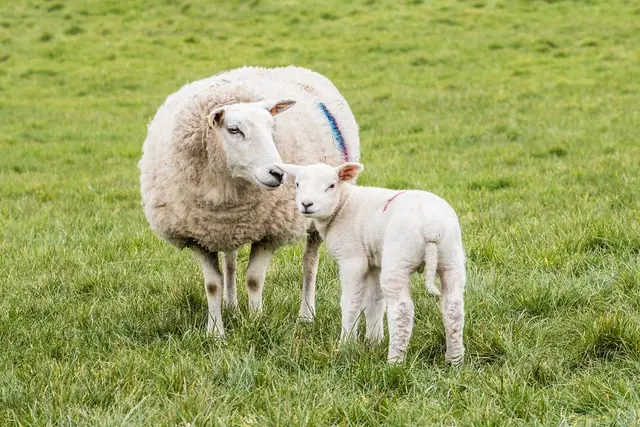
Full-time small farm selling beef, lamb or pork direct
Run a small grass-fed herd or flock as your main job and sell direct to customers rather than through the wholesale market.
- £20k-100k
- Full-time
- Own premises
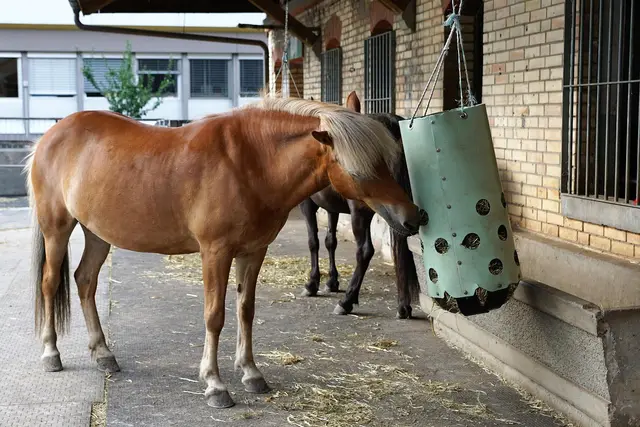
Full and part livery yard
Run a yard with stables, turnout and daily care for owners who want their horse looked after properly.
- £20k-100k
- Full-time
- Own premises

Pick-your-own farm with a farm shop
Run a larger pick-your-own site with several crops, a small farm shop and a team of seasonal helpers.
- £20k-90k
- Full-time
- Own premises

Small-scale turf grower and supplier
Grow, harvest and sell your own turf from rented or owned land to local landscapers and homeowners.
- £25k-120k
- Full-time
- Own premises

Orchid nursery for florists and retail
Run a larger greenhouse nursery growing orchids for florists, garden centres and visiting customers.
- £15k-75k
- Full-time
- Own premises