Alternator and starter reconditioning workshop
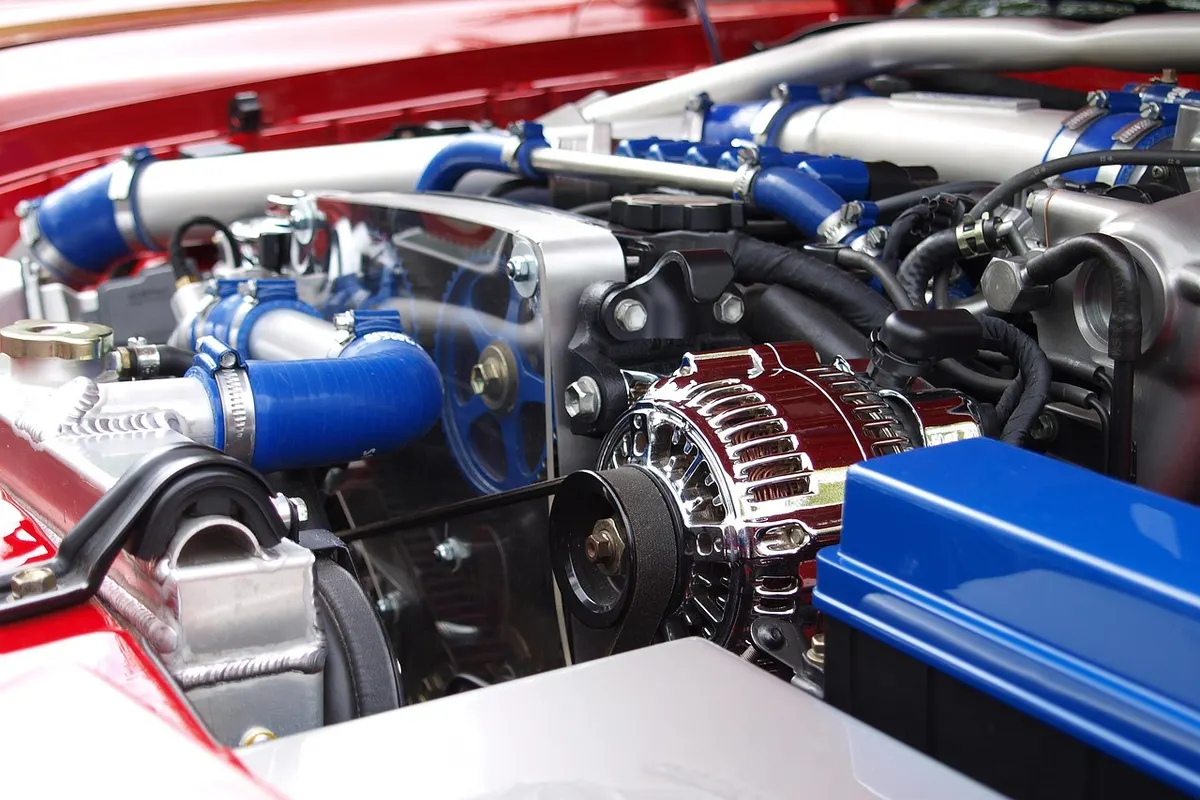
Rebuild and test alternators and starter motors in a small unit and supply them to garages and repairers.
- £15k-50k
- Full-time
- Own premises
Estimates for a small start in the UK, not guarantees.
Official data
6,399 UK companies in this field, 31% registered in the last 2 years
SIC 45310 “Wholesale trade of motor vehicle parts and accessories”. Source: Companies House, November 2026.
What it is
A small workshop that takes in worn alternators and starters, strips, rebuilds and tests them, and supplies them to garages. You can also sell rebuilt units to the public and offer repair for hard-to-find parts.
Your first three steps
- Get hands-on experience or training with a reconditioner or auto electrician if you have not rebuilt units before
- Price up a small unit, a bench tester and tools, then source core units and component kits from suppliers
- Offer rebuilt units to local garages on a trial basis with a clear warranty and fast turnaround
Who pays
Garages, auto electricians, fleet and commercial vehicle repairers, and some motorists and classic car owners.
How it makes money
You sell rebuilt units at a price below new, plus repair labour on customers' own units. Reuse of cores keeps parts costs down.
Skills that help
- Electrical and mechanical rebuilding skills
- Using test equipment accurately
- Stock control and supplier sourcing
Watch out for
- Warranty claims and quality control, every unit should be tested before it leaves
- Product liability and public liability insurance, plus employer's liability once you hire
- Business rates, planning use class and lease terms for your unit, check with your council
- Waste oil, batteries and scrap metal, check waste carrier and scrap metal dealer licensing requirements
- High upfront equipment cost and slow early sales while you build trust with garages
Deep research report · UK
Everything you need to start: alternator and starter reconditioning workshop
Researched with live web search for United Kingdom: real startup prices, the licences and rules, what others charge, a break-even example, how to find your first customers and a 30-day launch plan. With sources.
- Startup costs with real prices
- Licences, registration and rules
- Pricing: what others charge
- Break-even example
- Finding your first customers
- 30-day launch plan
- Risks and how to reduce them
Questions people ask
How much does it cost to start an alternator reconditioning workshop?
Startup costs are typically around £15,000 to £50,000, depending on your unit, test equipment and stock. These are estimates only. Equipment is a high upfront cost, and sales can be slow while you build trust with garages.
How much can a starter and alternator rebuilding business earn?
Monthly revenue is typically around £5,000 to £20,000, depending on how many garages and fleet customers you supply and what you can rebuild. These are revenue estimates, not profit, and early months may be slower.
What do I need to check before opening a reconditioning workshop?
Check warranty and quality control, as every unit should be tested before it leaves. Also check product and public liability insurance, employer's liability if you hire, business rates, planning use class, lease terms, and waste carrier and scrap metal dealer licensing.
Other ways to run this business

Online alternator and starter supplier to garages
Sell remanufactured alternators and starters to local garages from home, with parts sent direct from a wholesaler.
- £500-3k
- Side hustle
- From home

Van-based alternator and starter delivery round
Keep common alternators and starters in your van and deliver same day to garages on a regular round.
- £5k-20k
- Part-time
- Out and about
Similar car and vehicle ideas

Breakdown and vehicle recovery truck
Run one recovery truck moving broken-down and accident-damaged cars for motorists, garages and insurers.
- £12k-50k
- Part-time
- Out and about
Used motorcycle shop with a workshop
Buy, prepare and sell used bikes from a small unit, with servicing and gear for local riders.
- £10k-50k
- Full-time
- Own premises
Motorsport shop with a small unit
Open a small shop or trade counter stocking race parts and kit, backed by an online store.
- £10k-50k
- Full-time
- Own premises
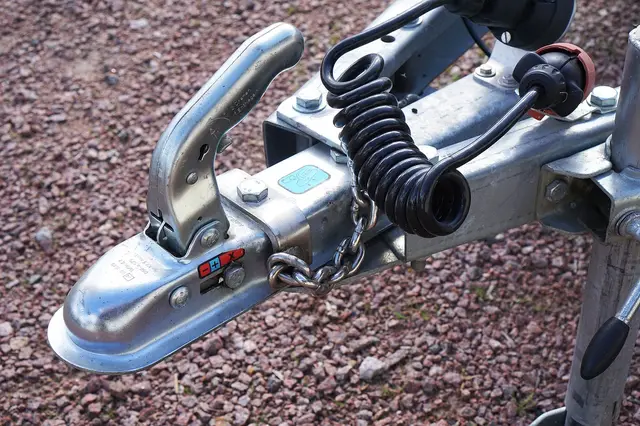
Trailer parts shop with trade counter
Run a small unit stocking trailer parts and hitches for local owners, farmers, hauliers and workshops.
- £10k-50k
- Full-time
- Own premises
Lorry accessories shop with fitting bay
Open a small trade counter near a haulage route selling and fitting truck and van accessories.
- £10k-50k
- Full-time
- Own premises
Diesel engine repair workshop
Rent a small unit and take on diesel diagnostics, repairs and engine rebuilds for local fleets.
- £10k-50k
- Full-time
- Own premises
Photo: markusthomasde on Pixabay