Antique furniture shop
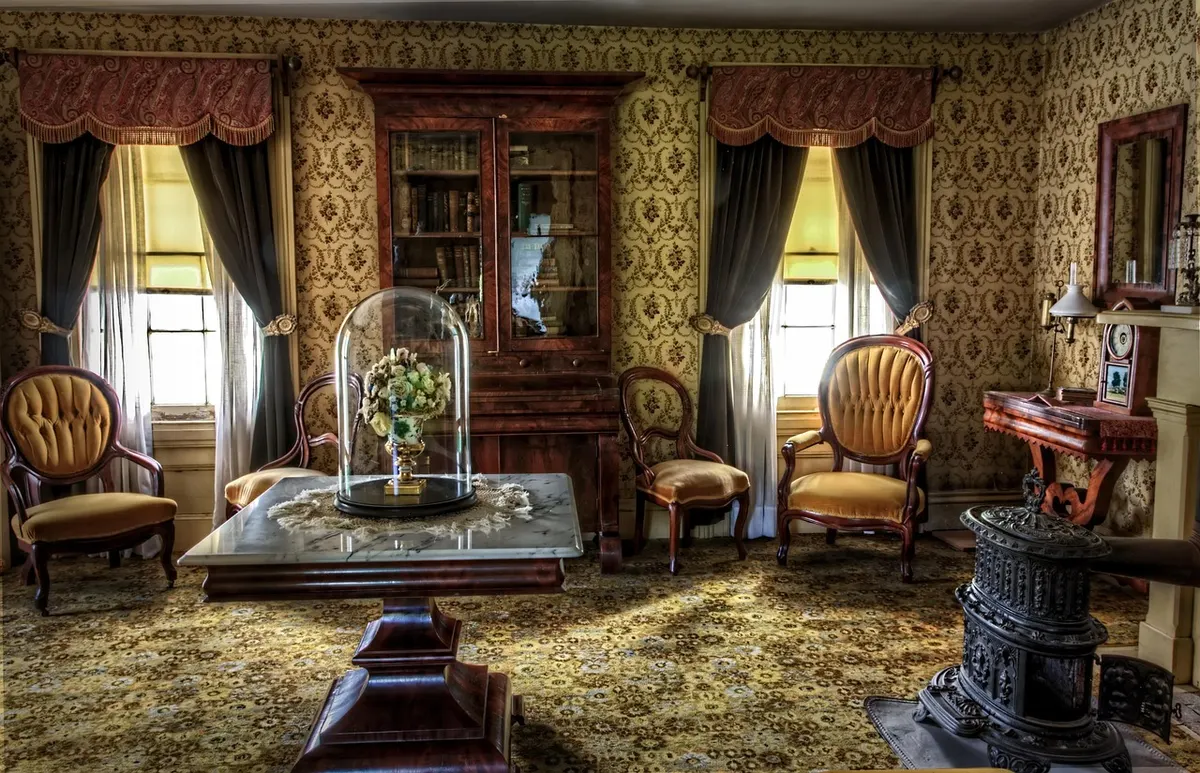
Run a small shop of antique furniture for local buyers, designers and collectors, with a restoration corner out the back.
- £8k-40k
- Full-time
- Own premises
Estimates for a small start in the UK, not guarantees.
Official data
2,522 UK companies in this field, 24% registered in the last 2 years
SIC 47791 “Retail sale of antiques including antique books in stores”. Source: Companies House, November 2026.
What it is
A small shop or unit showing carefully chosen antique furniture, bought from auctions, house clearances and private sellers. You may also take commissions to find specific pieces for designers and collectors.
Your first three steps
- Spend time at auctions and in other antique shops to learn local prices and gaps in what is on offer
- Look at rents and business rates for small units or shared antique centres, and consider a stall in one first to test demand
- Build a first stock of pieces within your budget and open a social media account to show new arrivals and attract designers
Who pays
Private buyers furnishing their homes, interior designers, collectors and visitors to the area.
How it makes money
Margin on each piece sold, plus extra from light restoration, finding pieces on commission and trade sales to designers.
Skills that help
- Knowledge of periods, makers and materials
- Buying confidently and negotiating
- Customer service and building trade relationships
- Managing stock and cash flow
Watch out for
- Rent, business rates and a lease, so check the full running costs and any small business rate relief before signing
- Public liability and stock insurance, plus employer's liability insurance if you hire staff
- Cash tied up in unsold stock, which can make income uneven
- Check rules on selling items with restricted materials such as some ivory, and on fire safety labelling for upholstered furniture
- Keep records of what you buy and from whom, and check whether you need to register for VAT as turnover grows
- Planning permission or change of use if you convert a space into a shop, so check with your council
Deep research report · UK
Everything you need to start: antique furniture shop
Researched with live web search for United Kingdom: real startup prices, the licences and rules, what others charge, a break-even example, how to find your first customers and a 30-day launch plan. With sources.
- Startup costs with real prices
- Licences, registration and rules
- Pricing: what others charge
- Break-even example
- Finding your first customers
- 30-day launch plan
- Risks and how to reduce them
Questions people ask
How much does it cost to open an antique furniture shop?
Startup costs are typically around £8,000 to £40,000, depending on your premises and how much stock you buy. These are estimates, so check the full running costs, including rent and business rates, before signing a lease.
How much can an antique furniture shop earn?
Monthly revenue is typically around £2,000 to £10,000, depending on your stock, location and sales. These are estimates, and cash tied up in unsold stock can make income uneven.
What rules should I check before opening an antique shop?
Check rules on selling items with restricted materials such as some ivory, and fire safety labelling for upholstered furniture. Also check planning permission or change of use with your council, VAT registration as turnover grows, and your insurance.
Other ways to run this business
Similar retail ideas
East Asian herbs and teas shop
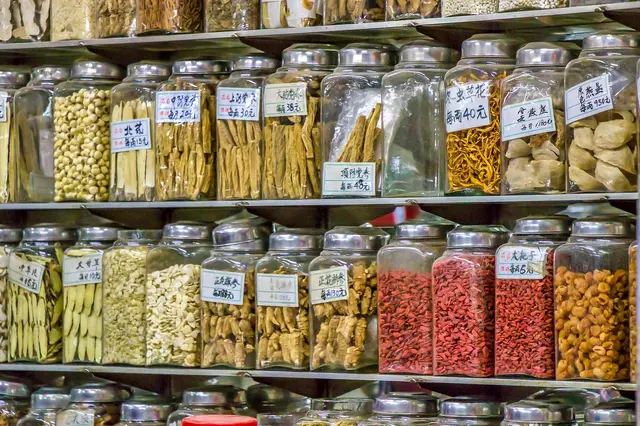
Open a small shop selling herbs, teas and wellness products from East Asian traditions to walk-in customers.
- £10k-40k
- Full-time
- Own premises

Irish goods shop on the high street
Open a small shop selling Irish food, clothing, crafts and souvenirs to locals and visitors.
- £10k-40k
- Full-time
- Own premises

Maternity and nursing wear boutique
Open a small local shop where expectant mothers can try on maternity clothes and get friendly advice.
- £8k-40k
- Full-time
- Own premises

Local baking supply shop
Open a small shop stocking ingredients, tins and decorating tools for local home bakers and cake makers.
- £10k-40k
- Full-time
- Own premises

Local computer accessories shop
Open a small shop selling keyboards, cables and storage to locals and nearby offices.
- £10k-40k
- Full-time
- Own premises

Local vitamin and supplement shop
Open a small shop offering supplements and friendly advice to customers on your high street.
- £10k-40k
- Full-time
- Own premises
Photo: VinnyCiro on Pixabay