Appliance parts trade counter
Run a small unit stocking parts for local repairers and walk-in households, with online orders on top.

- £8k-35k
- Full-time
- Own premises
Estimates for a small start in the UK, not guarantees.
Official data
6,931 UK companies in this field, 40% registered in the last 2 years
SIC 46499 “Wholesale of household goods (other than musical instruments) n.e.c.”. Source: Companies House, November 2026.
What it is
A small shop or unit with a trade counter, holding a wide range of common parts so local repairers can collect same day. Households can also drop in for help finding the right part.
Your first three steps
- Talk to local repairers about which parts they struggle to get quickly and what they would buy from you
- Open trade accounts with several wholesalers and price a first stock list of fast-moving parts
- Find a low-cost unit or small shop, and check the lease, business rates and planning use for your area
Who pays
Local appliance repairers, landlords, letting agents and households doing their own repairs.
How it makes money
Mark-up on parts, with repeat trade customers giving steady orders. Many also sell online or by phone to widen their reach.
Skills that help
- Good knowledge of appliance parts and brands
- Stock control and ordering
- Building relationships with trade customers
Watch out for
- Stock ties up cash, so start with fast-moving parts and review often
- Check business rates, lease terms and whether the premises are allowed for retail or trade use
- Public liability and stock or contents insurance are worth checking
- Competition from big online sellers, so local speed and advice matter
- Check the rules on selling electrical parts and any producer responsibility duties
Deep research report · UK
Everything you need to start: appliance parts trade counter
Researched with live web search for United Kingdom: real startup prices, the licences and rules, what others charge, a break-even example, how to find your first customers and a 30-day launch plan. With sources.
- Startup costs with real prices
- Licences, registration and rules
- Pricing: what others charge
- Break-even example
- Finding your first customers
- 30-day launch plan
- Risks and how to reduce them
Questions people ask
How much does it cost to start an appliance parts shop?
Startup costs are typically around £8,000 to £35,000, depending on the premises and how much stock you hold. Starting with fast-moving parts and reviewing often helps avoid cash being tied up in slow stock.
How much can an appliance parts trade counter earn?
Monthly revenue is typically estimated at around £3,000 to £15,000, depending on how many local repairers you supply and your walk-in trade. The estimate starts from about 30 hours a week of work.
What rules should I check before opening an appliance parts counter?
Check business rates, lease terms and whether the premises are allowed for retail or trade use. Also check public liability and stock insurance, and the rules on selling electrical parts, including any producer responsibility duties.
Other ways to run this business

Similar retail ideas

Gift basket shop on the high street
Open a small shop or unit where customers choose ready-made or build-your-own gift baskets.
- £8k-35k
- Full-time
- Own premises

Local toiletries and personal care shop
Run a small high street shop selling everyday soaps, shaving kit, toothpaste and personal care basics.
- £8k-35k
- Full-time
- Own premises
Second-hand CD shop on the high street
Open a small shop selling used CDs, buying collections over the counter and building a local music community.
- £8k-35k
- Full-time
- Own premises

Gift wrap and packaging shop
Open a small shop selling wrapping paper, bags and ribbon, with in-store gift wrapping for busy shoppers.
- £8k-35k
- Full-time
- Own premises
Local sewing and fabric shop
Open a small high street shop selling fabric, threads and notions, with advice and classes for local sewers.
- £8k-35k
- Full-time
- Own premises
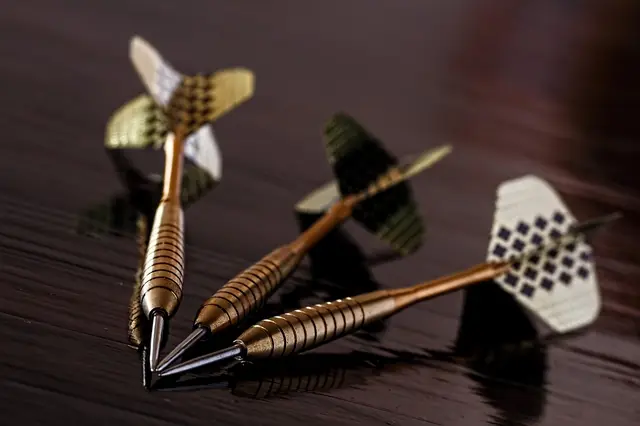
Darts shop with a practice area
Open a small shop selling darts and boards, with a practice area that brings in local players.
- £8k-35k
- Full-time
- Own premises