Art school in a rented studio
Rent a small studio and run weekly classes for adults and children, with a timetable and tutors.
- £3k-15k
- Full-time
- Own premises
Estimates for a small start in the UK, not guarantees.
What it is
A small art school in rented premises with a regular timetable of classes for different ages and levels. You can teach yourself and bring in other artists as tutors as you grow.
Your first three steps
- Test demand with a few pop-up workshops in a hired community hall or cafe
- Look at small units, shared studios and rooms in arts centres, and compare rent and lease terms
- Price a term of classes, set up online booking and take the first enrolments before committing to a lease
Who pays
Parents of children and teens, adult hobbyists, and sometimes groups booking parties or workshops.
How it makes money
Termly or monthly fees per student, drop-in sessions, holiday workshops and party or group bookings.
Skills that help
- Teaching art across several levels
- Timetabling and bookings
- Managing tutors and customers
Watch out for
- Lease terms, rent, business rates and what your landlord allows, check before signing
- Check with your council about change of use and fire safety requirements for the premises
- Public liability insurance, plus employer's liability if you hire tutors as employees
- Safeguarding and DBS checks if you teach children
- Quiet periods such as school holidays can affect income
🔒 Full research report for UK
Real cost breakdown with current prices, licences and registration checklist, local competition, pricing, break-even and a 30-day launch plan, with sources.
Coming soonQuestions people ask
How much does it cost to start an art school in the UK?
Estimates suggest startup costs typically around £3,000 to £15,000, depending on the studio and what you need to equip it. Rent, business rates and what your landlord allows should be checked before you sign a lease.
How much can an art school earn each month?
Estimates suggest monthly revenue typically around £1,500 to £7,000, depending on how many classes you run and how full they are. Quiet periods such as school holidays can affect income, so plan for them.
What should I check before opening an art school that teaches children?
Check with your council about change of use and fire safety requirements for the premises. Also check public liability insurance, employer's liability if you hire tutors as employees, and safeguarding and DBS checks if you teach children.
Other ways to run this business

Small art classes from a home studio
Teach drawing or painting to small groups in a spare room, garage or garden studio.
- £300-1.5k
- Side hustle
- From home

Online art classes and courses
Teach drawing or painting by live video lessons or recorded courses to students anywhere.
- £200-1.2k
- Side hustle
- Online
Similar creative ideas
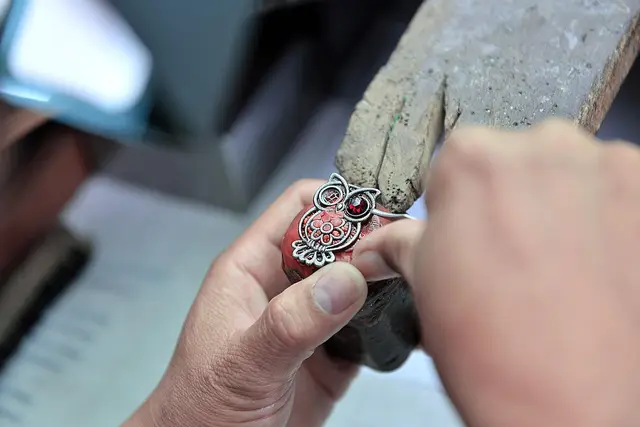
Silver repairs and commissions studio
Repair, resize and remake silver jewellery and objects for local customers from a small rented studio or unit.
- £4k-15k
- Part-time
- Own premises
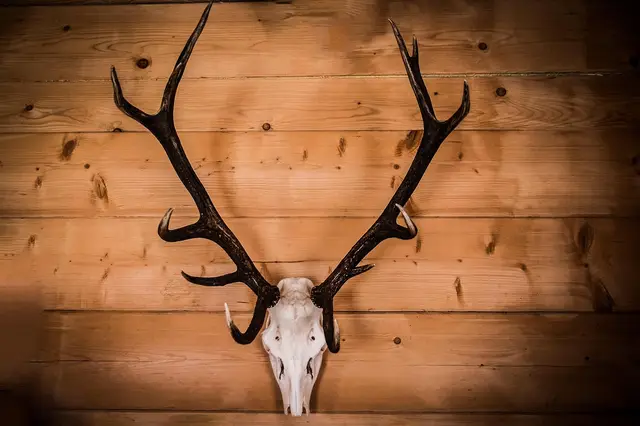
Taxidermy studio and commissions
Run a rented workshop taking commissions from collectors, estates, museums and designers, plus occasional classes.
- £4k-15k
- Full-time
- Own premises
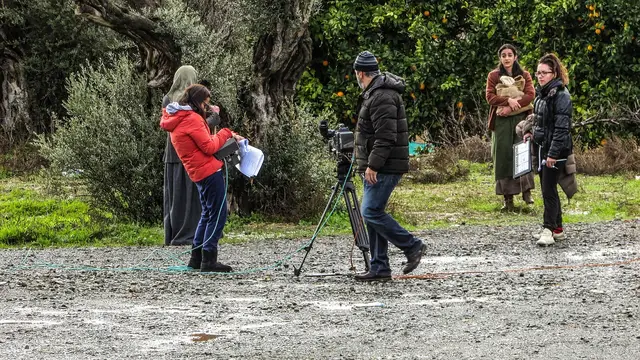
Documentary and branded film company
Produce documentaries and longer films for charities, brands and broadcasters, building a small team around each project.
- £3k-15k
- Part-time
- Out and about
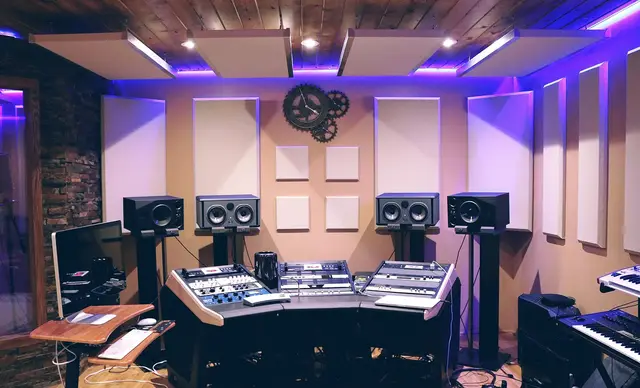
Music producer with a rented studio room
Rent a studio room and offer recording, production and rehearsal-to-record sessions.
- £3k-15k
- Part-time
- Own premises
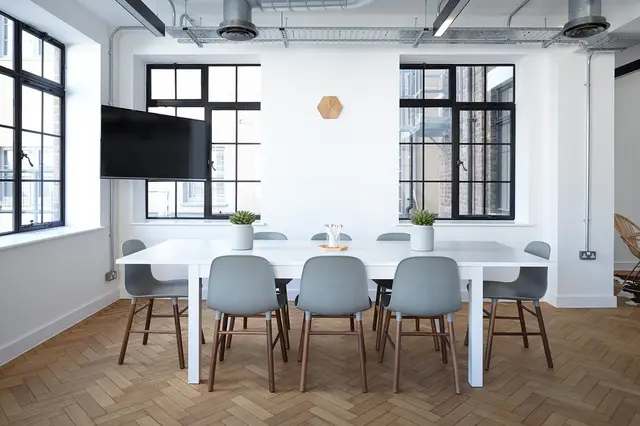
Small interior design studio
Run a studio designing homes, shops, cafes and offices, with a small team and full project management.
- £3k-15k
- Full-time
- Own premises
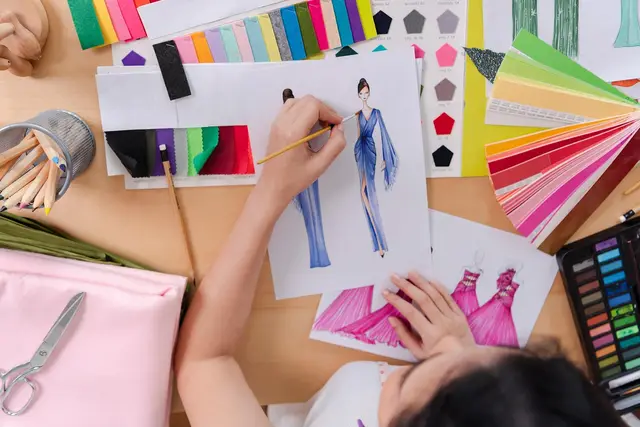
Fashion collection for boutique buyers
Design seasonal collections and sell them wholesale to independent shops and boutiques.
- £3k-15k
- Part-time
- From home