Local saleroom with live and online sales
Run a small saleroom selling house clearances, antiques and general goods for local sellers, with bidding in the room and online.

- £15k-60k
- Full-time
- Own premises
Estimates for a small start in the UK, not guarantees.
Official data
20,012 UK companies in this field, 40% registered in the last 2 years
SIC 46190 “Agents involved in the sale of a variety of goods”. Source: Companies House, November 2026.
What it is
A small premises-based auction house holding regular sales of general goods, furniture, antiques and house clearances. Buyers can view in person and bid in the room, by phone or online.
Your first three steps
- Visit local saleroom sales and note their commission rates, sale days and the type of goods they handle
- Look for a low-cost unit or hall with parking and viewing space, and check the lease and business rates
- Build relationships with house-clearance firms, solicitors and estate agents to line up your first consignments
Who pays
Local sellers such as families, house-clearance firms and solicitors pay commission on sales. Buyers pay a premium on top of the hammer price.
How it makes money
Seller commission and buyer's premium on each lot, plus fees for collection, valuation, photography and unsold items. Regular weekly or monthly sales are what keep income steady.
Skills that help
- Valuing a wide range of goods
- Running a sale and managing a busy room
- Dealing with sellers, buyers and solicitors
- Managing a small team and stock
Watch out for
- Check whether any licence or council permission applies to holding public sales at your premises
- Check planning use class, business rates and lease terms for the premises
- Keep sellers' sale proceeds safe and pay them promptly; check whether you need a separate client account
- Check anti-money laundering registration with HMRC, which can apply to some high-value sales
- Stock, premises and public liability insurance, plus employer's liability insurance once you hire
- Provenance and legality of items: stolen goods, ivory, firearms and some other items have strict rules
- Slow early months while you build up consignments
Deep research report · UK
Everything you need to start: local saleroom with live and online sales
Researched with live web search for United Kingdom: real startup prices, the licences and rules, what others charge, a break-even example, how to find your first customers and a 30-day launch plan. With sources.
- Startup costs with real prices
- Licences, registration and rules
- Pricing: what others charge
- Break-even example
- Finding your first customers
- 30-day launch plan
- Risks and how to reduce them
Questions people ask
How much does it cost to start a local saleroom?
Startup costs are typically around £15,000 to £60,000, depending on the premises, fit-out, online bidding set-up and insurance. These are estimates, so cost your own lease and equipment before you commit.
What should I check before opening an auction saleroom?
Check whether any licence or council permission applies to public sales, plus planning use class, business rates and lease terms. Also check client account rules for sellers' proceeds, anti-money laundering registration with HMRC, and the legality of items you sell.
How much can a local saleroom earn?
Monthly revenue is typically around £3,000 to £15,000, depending on how many consignments you win and how well sales do. Early months can be slow while you build up consignments. Expect around 30 hours a week or more.
Other ways to run this business
Similar retail ideas
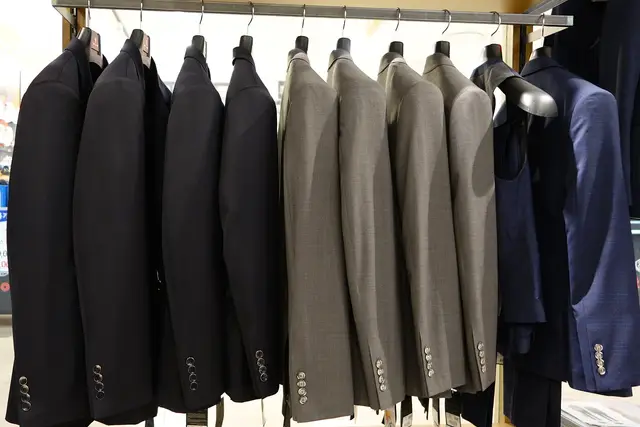
Independent menswear shop
Open a small local shop selling shirts, trousers and suits, with fitting advice customers can't get online.
- £15k-60k
- Full-time
- Own premises

Local Judaica shop
Open a small shop near a Jewish community selling ritual items, books and gifts, with advice and personal service.
- £15k-60k
- Full-time
- Own premises

Computer parts distributor from a small unit
Hold stock of components and systems in a small unit and supply local resellers and repair shops quickly.
- £15k-60k
- Full-time
- Own premises

Local stationery and office supplies shop
Run a small high street shop selling stationery, paper and office basics to nearby businesses, schools and households.
- £15k-60k
- Full-time
- Own premises
Handmade wooden furniture showroom
Open a small shop showing solid wood, traditional-style furniture made by local craftspeople, with made-to-order options.
- £15k-60k
- Full-time
- Own premises

Motorcycle parts and gear shop
Open a small local shop selling parts, accessories and riding gear to riders and workshops.
- £15k-60k
- Full-time
- Own premises
Photo: qimono on Pixabay