Regular Babysitter for After-School Care
Build a set of regular weekly bookings, such as school pick-ups and tea, in families' homes.

- £200-600
- Part-time
- Out and about
Estimates for a small start in the UK, not guarantees.
Official data
10,722 UK companies in this field, 31% registered in the last 2 years
SIC 88910 “Child day-care activities”. Source: Companies House, November 2026.
What it is
Regular, scheduled childcare in the family's home, such as school pick-ups, tea, homework help and bedtime cover. You are more like a part-time sitter-nanny, with a set routine for each family. Whether you can or must register depends on the type of care and which UK nation you work in.
Your first three steps
- Take a paediatric first aid course and check how to apply for a DBS check in your part of the UK
- Check whether voluntary registration is available for care in the child's own home where you live (in England, Ofsted's voluntary Childcare Register; elsewhere, check with the relevant care regulator) and whether it suits you
- Contact local parent groups and school communities, then agree a written weekly schedule and rate with your first family
Who pays
Working parents who need dependable cover on set days, including families with school-age children and parents on shifts.
How it makes money
An hourly rate agreed per family, with regular weekly hours giving steadier income than one-off evenings. Holiday cover can add extra bookings.
Skills that help
- Reliable and organised
- Confident with school-age children
- Clear communication with parents
- Basic cooking and homework support
Watch out for
- Check the registration rules for your nation with the relevant regulator (for example Ofsted in England): care in the child's own home is often not required to register, but rules differ across the UK
- Check how many families you can care for at the same time without registering; in England, caring for children from more than two families together, or caring for children in your own home, may count as childminding and need registration
- Check whether registration lets families use government childcare support schemes, and the cost and requirements
- Check public liability insurance and whether you need cover if you drive the children
- If you hire anyone else, check employer's liability insurance and your legal duties
- Check whether you need to register for Self Assessment with HMRC and keep clear income records
- Cancellations can hit income, so agree a notice period with each family
🔒 Full research report for UK
Real cost breakdown with current prices, licences and registration checklist, local competition, pricing, break-even and a 30-day launch plan, with sources.
Coming soonQuestions people ask
How much does it cost to start regular babysitting?
Estimated startup costs are typically around £200 to £600, depending on things like insurance, checks, first aid training and basic supplies. Treat this as an estimate and check what each family expects from you.
How much can a regular after-school babysitter earn?
Monthly revenue is typically estimated at around £600 to £2,500, depending on how many families you work for, your weekly hours and your rates. Cancellations can hit income, so agree a notice period with each family.
Do I need to register to babysit regularly in the UK?
Check the registration rules for your nation with the relevant regulator, such as Ofsted in England. Also check how many families you can care for without registering, public liability insurance, and whether you need to register for Self Assessment with HMRC.
Other ways to run this business
Similar teaching and tutoring ideas
Online school subject tutor
Teach GCSE, A-level or primary subjects one-to-one over video, with pupils from anywhere in the UK.
- £50-600
- Side hustle
- Online
Online German tutor
Teach German one to one over video to adults and students, from your own home.
- £50-600
- Side hustle
- Online

Online piano lessons
Teach piano by video call to pupils anywhere, with no travel and a flexible timetable.
- £50-600
- Side hustle
- Online
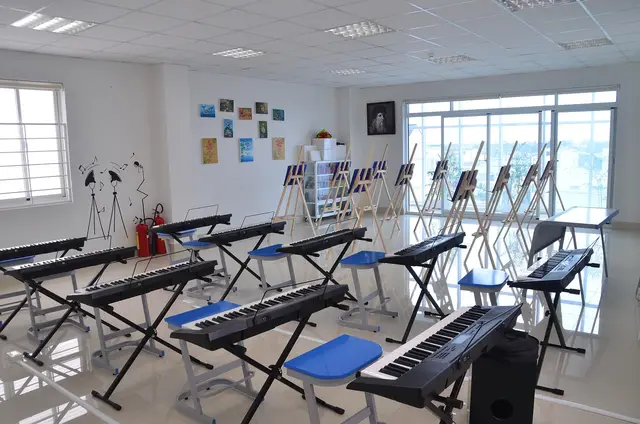
Online music lessons
Teach instrument or singing lessons by video call to pupils anywhere in the UK.
- £100-600
- Side hustle
- Online
Tutor visiting pupils at home
Travel to pupils' homes for face-to-face lessons in the subjects you know best.
- £50-500
- Side hustle
- Out and about

Home-based maths tutor
Teach maths one to one or in small groups from a quiet space at home, mostly after school and at weekends.
- £50-500
- Side hustle
- From home