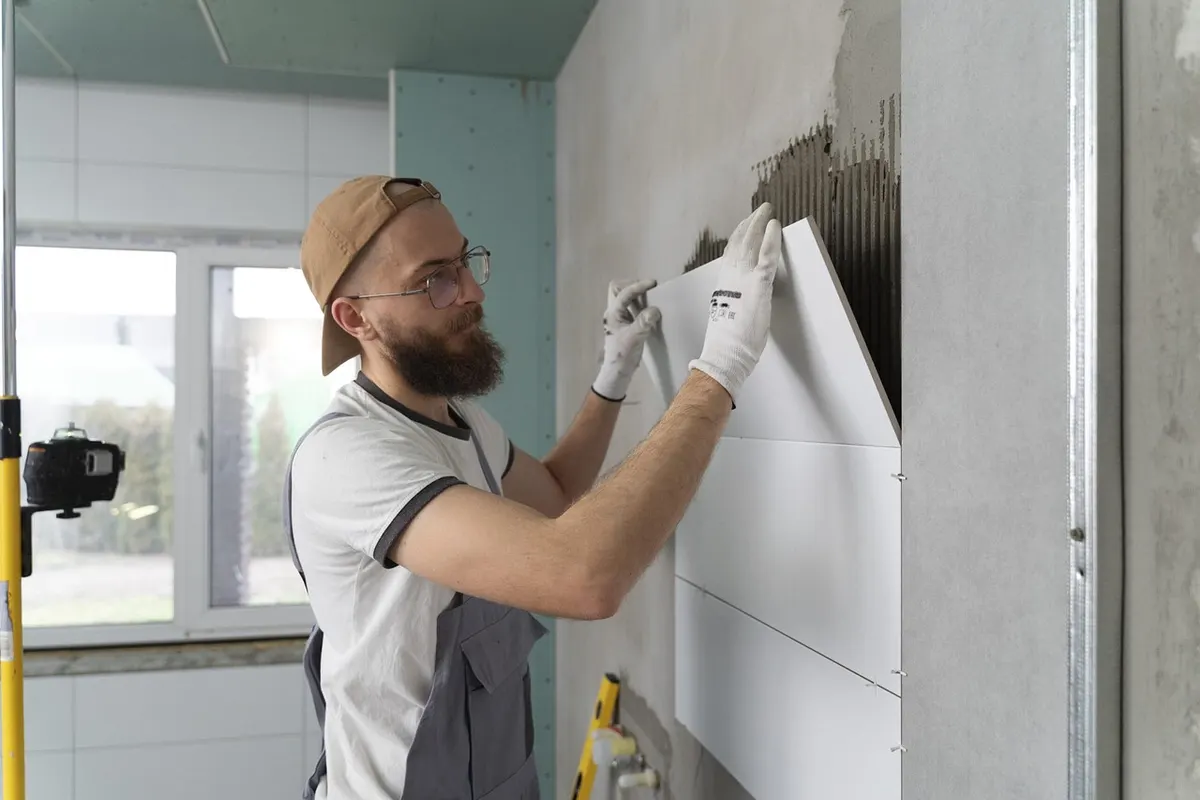
Solo bathroom fitter: refits for homeowners
Strip out and refit bathrooms for local homeowners, from basic replacements to full tiled refits.
- £1.5k-6k
- Part-time
- Out and about
Estimates for a small start in the UK, not guarantees.
What it is
Removing old bathroom suites and fitting new ones, including basins, toilets, baths, showers, tiling, and the plumbing that goes with them. You work in customers' homes, usually one job at a time.
Your first three steps
- Check your qualifications and fill any gaps, for example a plumbing or tiling course, or work alongside an experienced fitter
- Put together your tools, get public liability insurance and set up as a sole trader with HMRC
- Photograph your work, set up a simple profile on local trade sites and ask friends, family and past employers for first jobs
Who pays
Homeowners, landlords and sometimes letting agents or small builders who need a reliable fitter.
How it makes money
A quoted price per job (often a few days to two weeks each), or a day rate. Many fitters also earn a small margin on materials they supply.
Skills that help
- Plumbing and tiling skills
- Accurate measuring and planning
- Clear quotes and good communication
- Tidy, reliable working in people's homes
Watch out for
- Public liability insurance, and check whether you need cover for tools and work in progress
- Gas work (such as moving a boiler) must be done by a Gas Safe registered engineer, so subcontract or avoid it
- Electrical work in bathrooms (lights, extractor fans, shaver sockets) is covered by Building Regulations, so check whether you need a registered electrician or to notify your local authority
- Many plumbing jobs must meet water regulations, so check whether you should join a competent person scheme
- Cash flow: you may need to buy materials before the customer pays, so agree a deposit and stage payments in writing
- Damp, hidden leaks and old pipework can turn a quote into a loss, so build in a contingency
Deep research report · UK
Everything you need to start: solo bathroom fitter
Researched with live web search for United Kingdom: real startup prices, the licences and rules, what others charge, a break-even example, how to find your first customers and a 30-day launch plan. With sources.
- Startup costs with real prices
- Licences, registration and rules
- Pricing: what others charge
- Break-even example
- Finding your first customers
- 30-day launch plan
- Risks and how to reduce them
Questions people ask
How much does it cost to start as a bathroom fitter?
Startup costs are typically around £1,500 to £6,000, depending on the tools, van access and insurance you need. Treat this as an estimate and check it against your own kit and the types of job you plan to take on.
How much can a solo bathroom fitter earn?
Monthly revenue is typically around £2,500 to £8,000, depending on how many jobs you complete and their size. You may buy materials before customers pay, so agree deposits and stage payments in writing. Treat these as estimates.
What rules should a bathroom fitter check in the UK?
Check public liability cover and that any gas work, such as moving a boiler, goes to a Gas Safe registered engineer. Also check Building Regulations for bathroom electrics and whether water regulations mean joining a competent person scheme.
Other ways to run this business
Similar trades ideas
Online air tools shop for garages and trades
Sell air tools, fittings and hoses online to garages, workshops and tradespeople across the UK.
- £1k-6k
- Side hustle
- Online
Granite and stone slab broker
Source granite slabs from importers and quarries, and sell them on to local fabricators and builders without holding much stock.
- £1.5k-6k
- Part-time
- From home
Prefabricated garage installer
Fit timber, concrete or steel garage kits on prepared bases for homeowners and kit suppliers.
- £1.5k-6k
- Part-time
- Out and about

Mobile piano repair technician
Visit homes, schools and churches to fix sticking keys, broken strings and worn piano actions.
- £1.5k-6k
- Side hustle
- Out and about
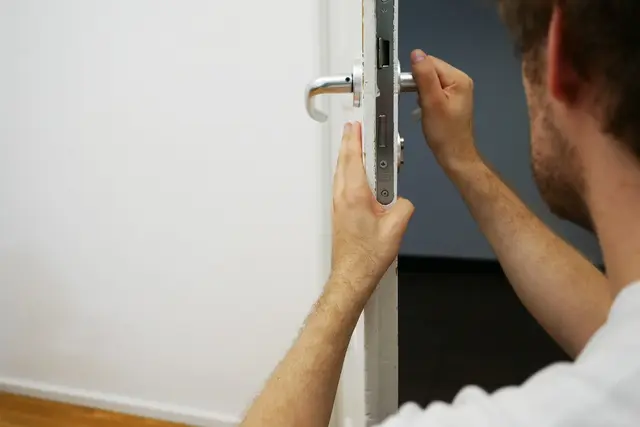
Mobile locksmith
Get people back into their homes and fit better locks, travelling to customers in a van or car.
- £1.5k-6k
- Part-time
- Out and about
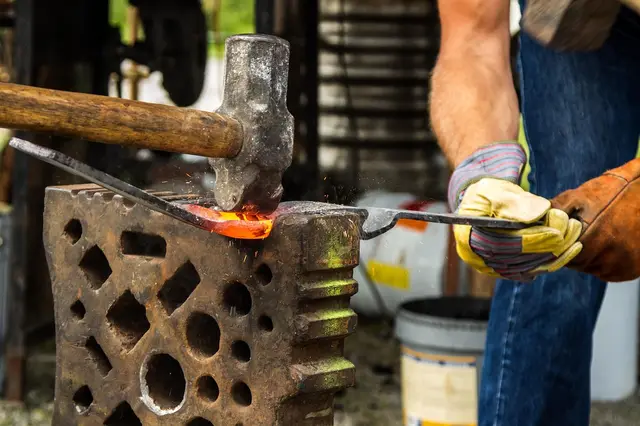
Home forge for hand-made metalwork
Forge hand-made items like fire tools, hooks and decorative pieces in a garage or outbuilding and sell them locally and online.
- £1.5k-6k
- Side hustle
- From home
Photo: gypsumpartition on Pixabay