Local bearing and parts trade counter
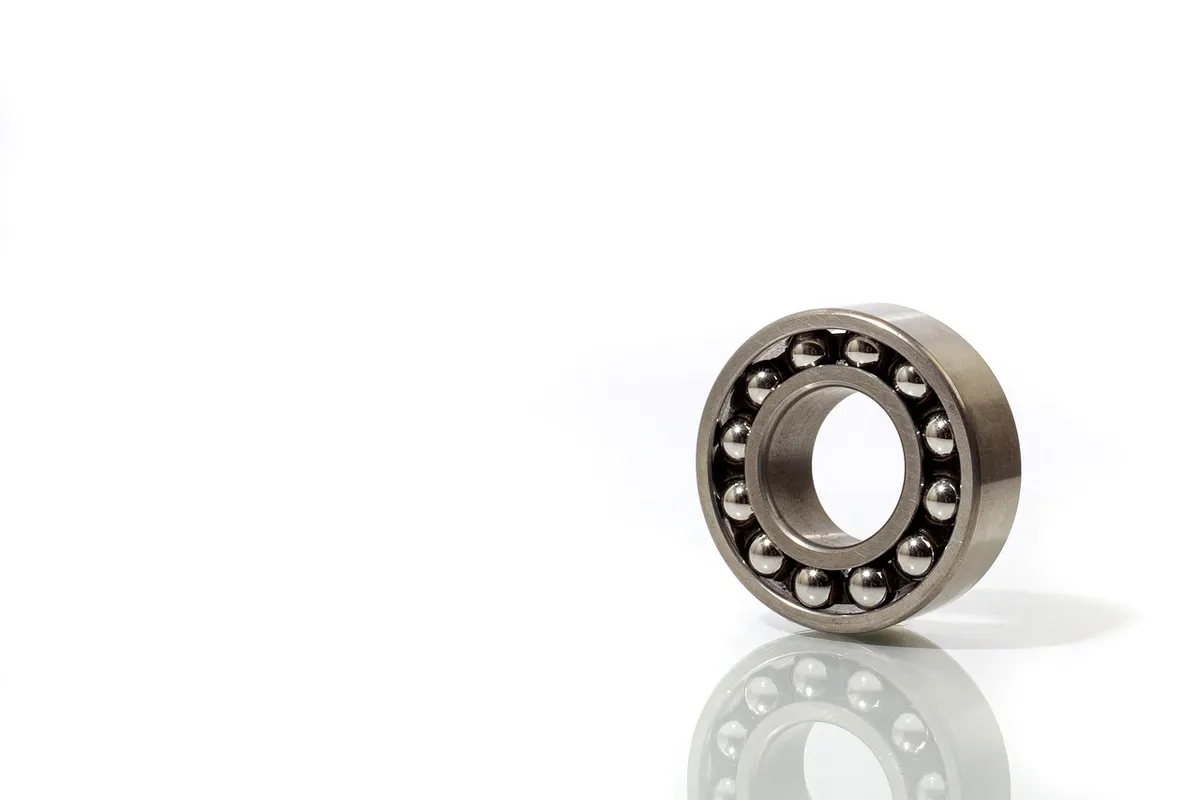
Hold stock of common bearings and seals in a small unit and serve local garages, farms and factories same day.
- £15k-60k
- Full-time
- Own premises
Estimates for a small start in the UK, not guarantees.
What it is
A small trade unit with shelves of popular bearings, seals, belts and fixings. Customers can call in or phone for same-day collection or local delivery, which is the main edge over online and next-day suppliers.
Your first three steps
- Talk to local workshops and factories about which bearings they buy most, and what frustrates them about current suppliers
- Set up trade accounts with distributors and work out a starter stock list and budget
- Find a small unit on an industrial estate and check the rent, business rates and any permitted use restrictions
Who pays
Local garages, engineering firms, farms, factories and maintenance teams that cannot wait for a delivery when a machine is down.
How it makes money
Margin on parts sold from stock, often with trade accounts for regular customers. Extra income can come from related items such as seals, grease and fitting tools.
Skills that help
- Technical knowledge of bearings and how they are used
- Stock control and purchasing
- Trade customer service and credit control
Watch out for
- Stock ties up cash, so start with fast-moving sizes and expand gradually
- Offering credit to trade customers risks late payment, so check terms and consider credit checks
- Buy only from authorised sources to avoid counterfeit bearings
- Check insurance for stock, premises, public liability and product liability, plus employer's liability if you hire
- Check business rates, planning use class and any lease terms before signing
- Check VAT registration and your local council requirements for the premises
Deep research report · UK
Everything you need to start: local bearing and parts trade counter
Researched with live web search for United Kingdom: real startup prices, the licences and rules, what others charge, a break-even example, how to find your first customers and a 30-day launch plan. With sources.
- Startup costs with real prices
- Licences, registration and rules
- Pricing: what others charge
- Break-even example
- Finding your first customers
- 30-day launch plan
- Risks and how to reduce them
Questions people ask
How much does it cost to open a bearing trade counter?
Estimates suggest startup costs are typically around £15,000 to £60,000, depending on the unit, shelving and how much stock you buy. Stock ties up cash, so starting with fast-moving sizes and expanding gradually may help.
How much can a bearing trade counter earn?
Estimated monthly revenue is typically around £8,000 to £35,000, depending on location, range and how many local trade customers you serve. This is revenue, not profit, and late payment on trade credit can affect cash flow.
What rules and risks should I check before opening?
Check business rates, the planning use class and any lease terms before signing. Check insurance for stock, premises, public liability and product liability, plus employer's liability if you hire. Also check VAT registration, credit terms for trade customers, and buy only from authorised sources.
Other ways to run this business
Similar making and manufacturing ideas
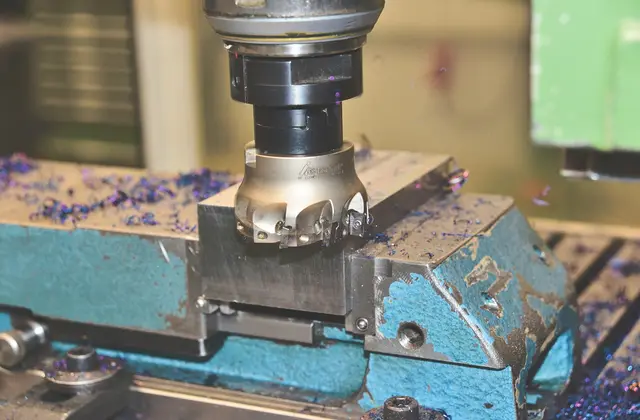
Jobbing machine shop in a small unit
Make and repair one-off and short-run metal parts for local firms, farms and workshops from a rented unit.
- £15k-60k
- Full-time
- Own premises

Barrel reconditioning workshop
Rent a small unit to refurbish used barrels and sell new and reconditioned casks to drinks producers.
- £15k-60k
- Full-time
- Own premises

Bespoke staircase maker with a workshop
Design, build and install made-to-measure timber staircases from a small rented workshop.
- £15k-60k
- Full-time
- Own premises

Small-batch lingerie workshop
Run a small UK workshop making lingerie in short runs for independent brands and labels.
- £15k-60k
- Full-time
- Own premises

Local aluminium frames stockist with a small unit
Hold popular frame sizes and profiles in a small unit and supply local trades quickly, with your own delivery.
- £15k-60k
- Full-time
- Own premises
Small-unit digital print shop
Run a small unit with a production digital press, offering fast short-run printing for businesses, events and walk-in customers.
- £15k-60k
- Full-time
- Own premises
Photo: marsjo on Pixabay