Self-employed bricklayer for builders
Lay bricks and blocks as a subcontractor for local builders and developers, paid by the day or by the thousand.

- £500-2.5k
- Full-time
- Out and about
Estimates for a small start in the UK, not guarantees.
What it is
Working as a self-employed bricklayer on other people's sites: house extensions, new builds and garden walls. You turn up with your own tools and lay brick and block to the plans.
Your first three steps
- Check your qualifications and get a CSCS card suited to your experience
- Register as a sole trader with HMRC and ask builders you know how they like to be paid and invoiced
- Get public liability insurance, buy a quality hand tool kit and contact local builders for work
Who pays
Small and medium building firms, groundworkers and site managers who need extra skilled labour.
How it makes money
A day rate, or a price per 1,000 bricks laid. Income depends on how many days you work and how fast and neat you are.
Skills that help
- Trade qualification or solid on-site experience
- Accurate, tidy brickwork
- Reading plans and setting out
- Reliable and good with other trades
Watch out for
- Construction Industry Scheme (CIS): check how to register as a subcontractor with HMRC and how deductions work
- Employment status: check you are genuinely self-employed and not treated as an employee
- Public liability insurance, and check what site contractors require of you
- Physically demanding work that is weather-dependent, so income can dip in bad weather
- Keep records of income and expenses for your Self Assessment
🔒 Full research report for UK
Real cost breakdown with current prices, licences and registration checklist, local competition, pricing, break-even and a 30-day launch plan, with sources.
Coming soonQuestions people ask
How much does it cost to become a self-employed bricklayer?
Startup costs are typically around £500 to £2,500, depending on the tools you already own and the insurance you need. These are estimates, so check what site contractors require of you before buying anything.
What should I check before working as a subcontract bricklayer?
Check how to register as a subcontractor under the Construction Industry Scheme with HMRC and how deductions work. Also check your employment status is genuinely self-employed, what public liability cover contractors require, and keep records for Self Assessment.
How much can a self-employed bricklayer earn?
Monthly revenue is typically around £2,500 to £6,000, depending on day rates, work available and weather. The work is physically demanding and weather-dependent, so income can dip. Expect at least about 30 hours a week.
Other ways to run this business

Similar trades ideas

Home leather repair workshop
Repair bags, jackets and shoes from a spare room or garage, with customers posting or dropping items off.
- £500-2.5k
- Side hustle
- From home

Subcontract soil sampling technician
Take soil samples and log ground conditions on site for engineers and consultants, paid by the day or job.
- £500-2.5k
- Side hustle
- Out and about
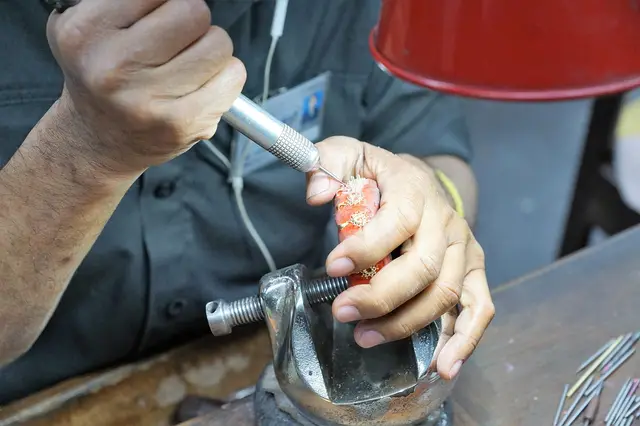
Home jewellery engraving studio
Engrave names, dates and messages onto rings, pendants and keepsakes from a small workspace at home.
- £300-2.5k
- Side hustle
- From home
Home luggage and bag repair
Fix zips, wheels, handles and linings on suitcases and bags from a workbench at home, taking work by post or drop-off.
- £500-2.5k
- Side hustle
- From home

Building materials sales agent
Take orders for cement and building materials from local trades and arrange delivery from a supplier.
- £500-2.5k
- Side hustle
- From home
Home saw and blade sharpening
Sharpen saw blades, chisels and knives from a garage or shed for local tradespeople and woodworkers.
- £500-3k
- Side hustle
- From home
Photo: reksik004 on Pixabay