Specialist food supplier to local cafes
Source one niche range, such as speciality drinks or bakery ingredients, and deliver it in bulk to local cafes and caterers.

- £2k-10k
- Part-time
- Out and about
Estimates for a small start in the UK, not guarantees.
Official data
6,300 UK companies in this field, 43% registered in the last 2 years
SIC 46390 “Non-specialised wholesale of food, beverages and tobacco”. Source: Companies House, November 2026.
What it is
A small wholesale supply business focused on one product range that big suppliers handle poorly, for example speciality coffee and teas, local produce, or dry goods. You buy from producers or wholesalers and deliver to businesses in your area.
Your first three steps
- Pick one product range and visit 10 local cafes and caterers to ask what they struggle to get
- Set up trade accounts with two or three producers or wholesalers and compare prices
- Register as a sole trader, arrange insurance and offer sample orders to a few local customers
Who pays
Independent cafes, restaurants, pubs, caterers and food stalls that want reliable local supply and a more distinctive range.
How it makes money
You buy in bulk and sell at a margin on each order. Regular weekly or fortnightly orders from a handful of customers give steady income.
Skills that help
- Sales and building relationships
- Negotiating with producers
- Organising orders and deliveries
- Basic bookkeeping
Watch out for
- Food businesses usually need to register with the local council, check whether this applies to how you store and handle stock
- Goods in transit and public liability insurance, and motor insurance for business use of your vehicle
- Storage rules for chilled or frozen items, and labelling and allergen information for anything you pack yourself
- Customers paying on credit terms can strain your cash flow, so check payment terms
- VAT registration once turnover passes the threshold
Deep research report · UK
Everything you need to start: specialist food supplier to local cafes
Researched with live web search for United Kingdom: real startup prices, the licences and rules, what others charge, a break-even example, how to find your first customers and a 30-day launch plan. With sources.
- Startup costs with real prices
- Licences, registration and rules
- Pricing: what others charge
- Break-even example
- Finding your first customers
- 30-day launch plan
- Risks and how to reduce them
Questions people ask
How much does it cost to start a specialist food supply business?
Estimates suggest startup costs are typically around £2,000 to £10,000, depending on your product range, opening stock, storage, vehicle and insurance. Customers paying on credit terms can strain cash flow, so check payment terms.
How much can a specialist food supplier earn?
Monthly revenue is typically around £1,500 to £8,000, depending on your range, how many cafes and caterers you supply and your order sizes. These are estimates only, and late payments from customers can affect your cash flow.
What should I check before supplying food to local businesses?
Check whether you need to register with the local council for how you store and handle stock, plus goods in transit, public liability and business motor insurance. Also check chilled or frozen storage rules, labelling and allergen information, payment terms and VAT registration.
Other ways to run this business
Similar food ideas
Specialist drinks supplier run from home
Supply a niche range, such as craft spirits or small-producer wines, to independent venues with small, regular orders.
- £2k-10k
- Side hustle
- From home

Hong Kong cafe pop-up or market stall
Serve milk tea, egg waffles and toast at markets and events before you take on a cafe lease.
- £2k-10k
- Side hustle
- Out and about
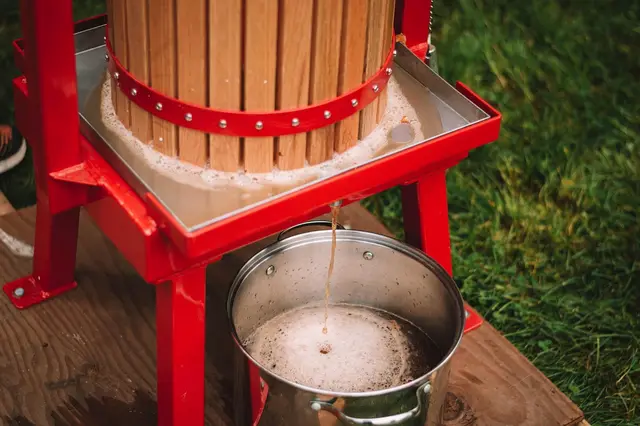
Small-batch craft cider maker
Press local apples in an outbuilding and sell your own cider at markets, festivals and to local pubs.
- £2k-10k
- Side hustle
- From home

Bubble tea stall for markets and events
Serve bubble tea from a stall or trailer at markets, festivals and private events without paying shop rent.
- £2k-10k
- Side hustle
- Out and about
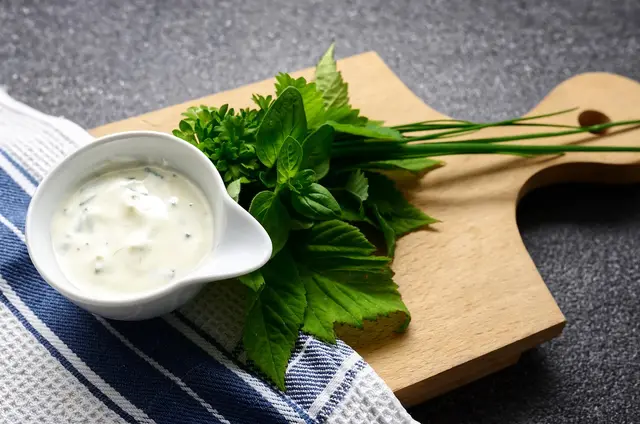
Own-brand sauce maker for local trade
Make your own sauces or dressings and supply them in catering tubs and bottles to local cafés and shops.
- £2k-10k
- Side hustle
- Own premises
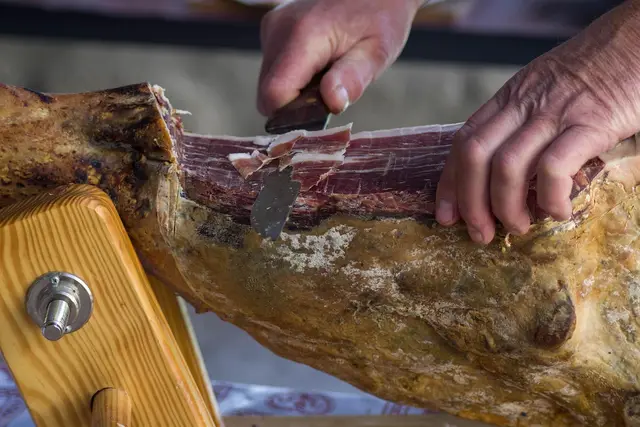
Online cured ham and charcuterie shop
Sell cured hams, salamis and gift boxes online from a suitable registered home or small unit kitchen, delivered chilled.
- £2k-10k
- Side hustle
- Online