Collectables shop with a small unit
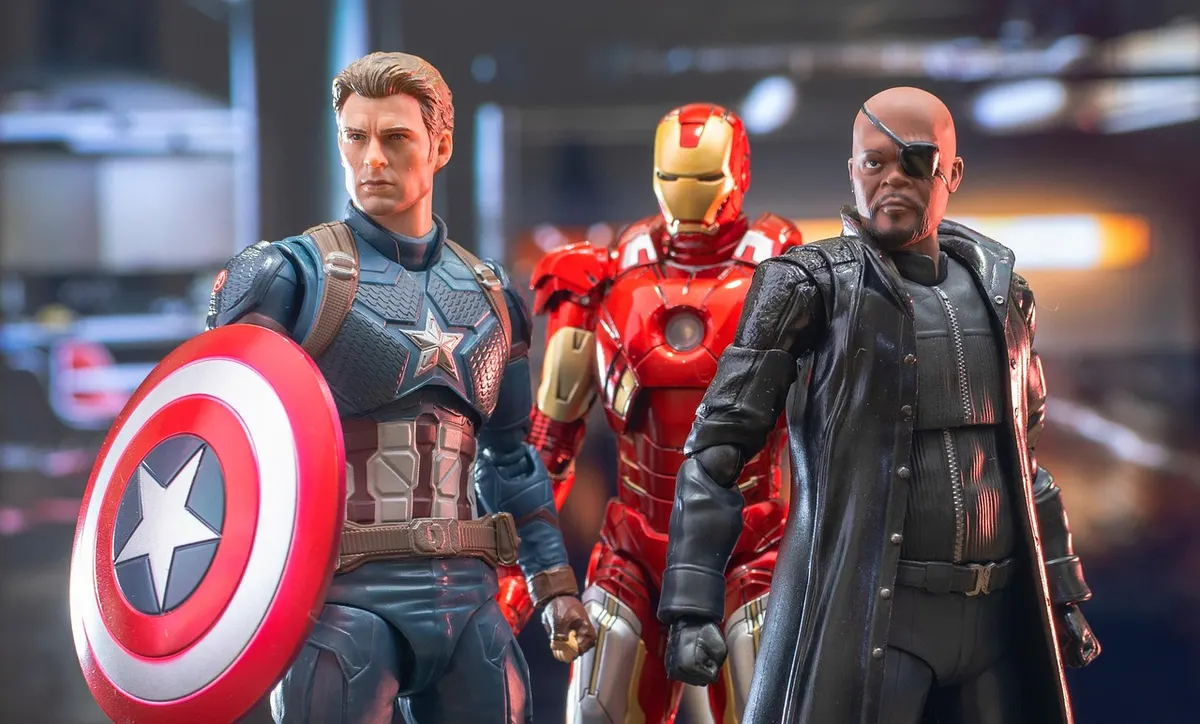
Open a small shop where local collectors browse, trade and buy figures, cards and memorabilia, backed by online sales.
- £8k-35k
- Full-time
- Own premises
Estimates for a small start in the UK, not guarantees.
What it is
A small high street or indoor market unit selling collectables such as figures, cards and memorabilia. Many shops also buy from customers, run card or trading nights and list stock online to reach more buyers.
Your first three steps
- Visit local collectors' fairs and shops to see what sells and decide your niche
- Test demand first with a market stall, a fair table or an online shop before signing a lease
- Look at small units or shared retail spaces in your area and ask about rent, business rates and lease terms
Who pays
Local collectors, hobby gamers, parents buying gifts, and people selling or trading their own collections.
How it makes money
Margin on items sold and bought in, plus new stock such as sealed products. Events and a regular customer base can add steady income, though rent and rates are fixed costs.
Skills that help
- Deep knowledge of your collecting areas
- Valuing items fairly when buying from the public
- Customer service and building a community
- Basic stock control and bookkeeping
Watch out for
- Rent, business rates and utilities are fixed costs, so check small business rates relief and lease terms
- Check whether the premises have the right planning use for retail
- Public liability insurance, and cover for stock against theft and damage
- Buying from the public means checking items are not stolen or fake
- Selling toys means checking product safety rules for items aimed at children
- Stock can tie up a lot of cash and some items may sell slowly
Deep research report · UK
Everything you need to start: collectables shop with a small unit
Researched with live web search for United Kingdom: real startup prices, the licences and rules, what others charge, a break-even example, how to find your first customers and a 30-day launch plan. With sources.
- Startup costs with real prices
- Licences, registration and rules
- Pricing: what others charge
- Break-even example
- Finding your first customers
- 30-day launch plan
- Risks and how to reduce them
Questions people ask
How much does it cost to open a collectables shop?
Startup costs are typically around £8,000 to £35,000, depending on the unit, the fit-out and how much stock you buy. Rent, business rates and utilities are fixed costs, so check small business rates relief and lease terms.
How much can a collectables shop earn?
Monthly revenue is typically around £3,000 to £14,000, depending on your location, your stock range and whether you also sell online. These are estimates, and stock can tie up cash because some items sell slowly.
What should I check before opening a collectables shop?
Check that the premises have the right planning use for retail, and arrange public liability insurance plus stock cover for theft and damage. If you buy from the public, check items are not stolen or fake, and check toy safety rules.
Other ways to run this business
Similar retail ideas
Gift basket shop on the high street
Open a small shop or unit where customers choose ready-made or build-your-own gift baskets.
- £8k-35k
- Full-time
- Own premises
Local toiletries and personal care shop
Run a small high street shop selling everyday soaps, shaving kit, toothpaste and personal care basics.
- £8k-35k
- Full-time
- Own premises
Second-hand CD shop on the high street
Open a small shop selling used CDs, buying collections over the counter and building a local music community.
- £8k-35k
- Full-time
- Own premises
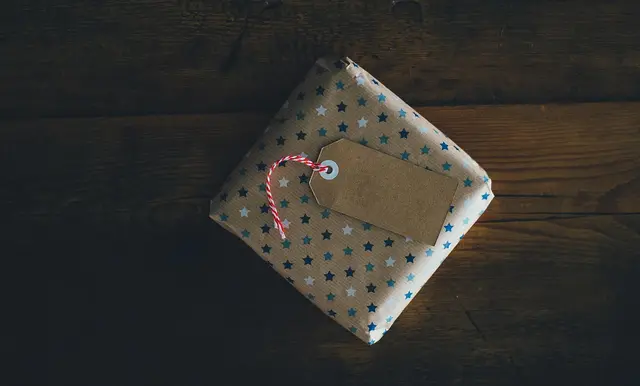
Gift wrap and packaging shop
Open a small shop selling wrapping paper, bags and ribbon, with in-store gift wrapping for busy shoppers.
- £8k-35k
- Full-time
- Own premises
Local sewing and fabric shop
Open a small high street shop selling fabric, threads and notions, with advice and classes for local sewers.
- £8k-35k
- Full-time
- Own premises
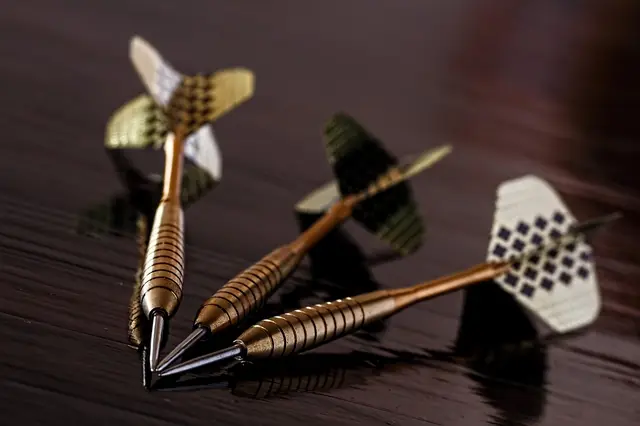
Darts shop with a practice area
Open a small shop selling darts and boards, with a practice area that brings in local players.
- £8k-35k
- Full-time
- Own premises
Photo: solihinkentjana on Pixabay