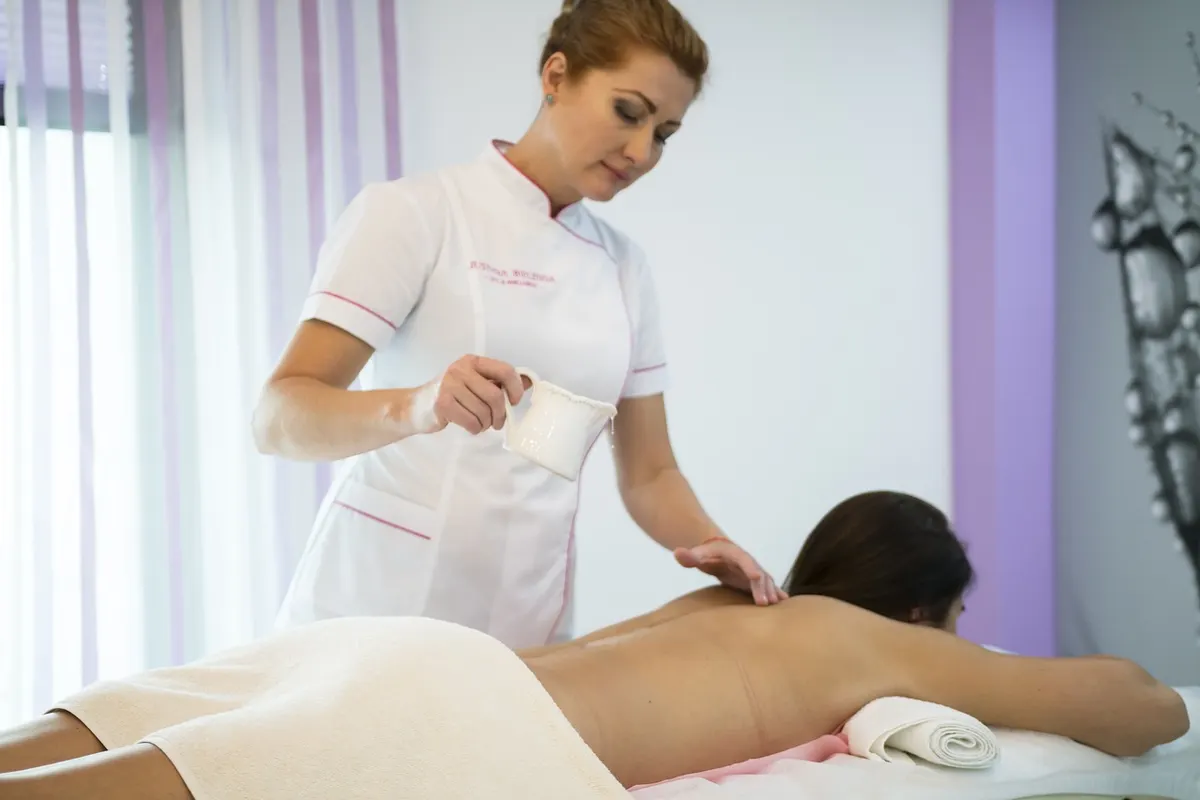
Start a mobile complementary therapy business
Take your treatments to clients' homes, offices and events with a portable couch and kit.
- £600-3k
- Side hustle
- Out and about
- Licence or permit needed
Estimates for a small start in the UK, not guarantees.
What it is
A visiting service where you bring a portable treatment couch and supplies to clients. It suits therapies like massage, reflexology or reiki. You can also offer short chair sessions at workplaces and events.
Your first three steps
- Choose a portable kit, such as a lightweight couch, linen and oils, and decide your travel area
- Contact local offices, gyms, care providers and event organisers to offer trial sessions
- Set up online booking and a clear cancellation and travel policy
Who pays
Busy professionals, older or less mobile people, new parents, employers running staff wellbeing days and organisers of events such as parties and fairs.
How it makes money
A fee per visit, often with a small travel charge, plus fees for workplace sessions and event bookings. Chair massage at a company can be charged per hour, with several short sessions back to back.
Skills that help
- A recognised qualification in your chosen therapy
- Reliable and punctual
- Comfortable working in other people's spaces
- Basic route and diary planning
Watch out for
- Professional indemnity and public liability insurance that covers treating at other people's premises
- Check whether your council requires a licence or registration for the treatments you offer
- Personal safety when visiting new clients, such as sharing your diary and checking details first
- Travel time is unpaid, so set prices and area to cover it
- Advertising rules: avoid medical claims (check ASA and CAP guidance)
- Check your vehicle insurance covers business use
🔒 Full research report for UK
Real cost breakdown with current prices, licences and registration checklist, local competition, pricing, break-even and a 30-day launch plan, with sources.
Coming soonQuestions people ask
How much does it cost to start a mobile therapy business?
Startup costs are typically around £600 to £3,000, depending on your couch, supplies, insurance and any training. Monthly revenue is typically estimated at £300 to £2,500, depending on how many clients you see and how far you travel.
What insurance and rules should I check as a mobile therapist?
Things to check: professional indemnity and public liability insurance that covers treating at other people's premises, whether your council requires a licence or registration for your treatments, and that your vehicle insurance covers business use. Avoid medical claims in advertising and check ASA and CAP guidance.
What skills and time do I need to become a mobile therapist?
A recognised qualification in your chosen therapy is expected. Estimates suggest at least 8 hours a week. You also need to be punctual, comfortable working in other people's spaces and able to plan your diary and routes.
Other ways to run this business

Similar health and wellness ideas

Online nutrition coaching
Offer one-to-one diet and healthy eating consultations and plans to clients by video call.
- £300-3k
- Side hustle
- Online

Remote occupational health assessments
Offer phone and video health assessments and management advice to employers from a home office.
- £800-3k
- Side hustle
- Online
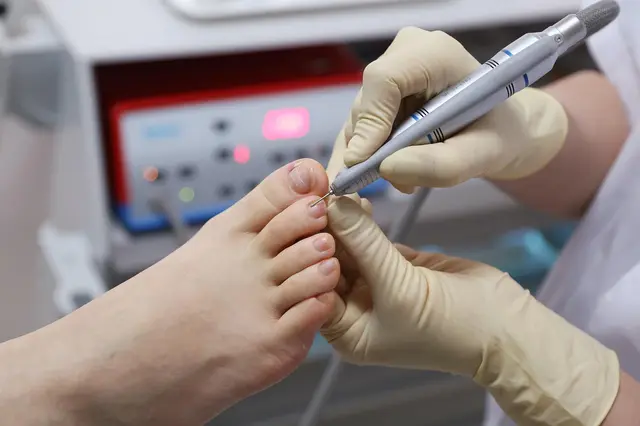
Mobile foot care visits
Visit older and less mobile clients at home for nail cutting, corn and callus care.
- £800-3k
- Side hustle
- Out and about

Online health and wellbeing coach
Coach clients by video call on diet, sleep, movement and everyday habits, one to one or in small groups.
- £500-3k
- Side hustle
- Online

Antenatal classes for local parents-to-be
Run small group classes in a hired local venue to help expectant parents prepare for labour, birth and the early weeks.
- £500-3k
- Side hustle
- Own premises
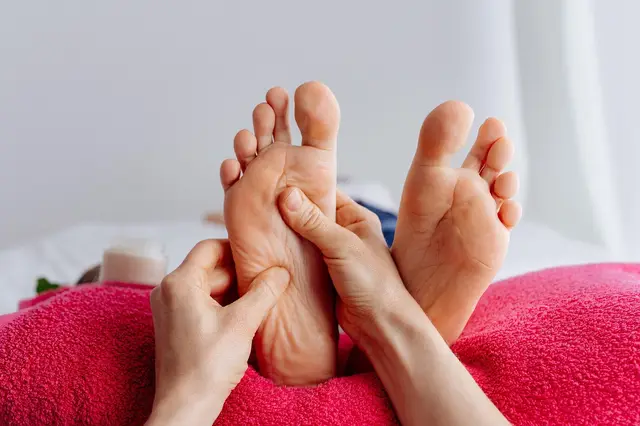
Reflexologist in a rented therapy room
Rent a treatment room by the day or hour in a clinic or salon and build a regular client base.
- £800-3k
- Part-time
- Own premises
Photo: spabielenda on Pixabay