Discount goods market stall
Sell low-priced household goods from a market stall, with low costs and no shop lease.

- £500-4k
- Side hustle
- Out and about
- Licence or permit needed
Estimates for a small start in the UK, not guarantees.
What it is
A stall at a local market, car boot or indoor market selling bargain household items, cleaning products, kitchenware, gifts and seasonal goods at fixed low prices.
Your first three steps
- Visit nearby markets and ask the market manager about pitch fees, waiting lists and which days are busiest
- Open trade accounts with a cash-and-carry or online wholesaler and buy a small first range of fast-selling lines
- Trade for a few weekends, note your best sellers and use that to decide whether to add more days or a second pitch
Who pays
Local market shoppers looking for everyday items at low prices, plus seasonal buyers.
How it makes money
You buy in bulk from wholesalers or job-lot sellers and sell at a margin. Stall fees are lower than shop rent, so you can test products before committing more money.
Skills that help
- Friendly, confident selling
- Spotting good-value stock
- Handling cash and card payments
- Willingness to work outdoors in all weather
Watch out for
- Street trading rules: check with your council whether you need a licence or permit for your pitch
- Public liability insurance, which many markets require
- Product safety and labelling rules for items such as toys and electricals, check Trading Standards guidance
- Avoid counterfeit or unsafe goods, and buy from suppliers who can give you invoices
- Bad weather and quiet days can hit takings, and you will need a van or space to store stock
- Register as a sole trader with HMRC and keep records of all sales
Deep research report · UK
Everything you need to start: discount goods market stall
Researched with live web search for United Kingdom: real startup prices, the licences and rules, what others charge, a break-even example, how to find your first customers and a 30-day launch plan. With sources.
- Startup costs with real prices
- Licences, registration and rules
- Pricing: what others charge
- Break-even example
- Finding your first customers
- 30-day launch plan
- Risks and how to reduce them
Questions people ask
How much does it cost to start a market stall in the UK?
Startup costs for a discount goods market stall are typically around £500 to £4,000, depending on the stock you buy, your stall equipment and how you transport and store goods. Treat this as an estimate and cost your own setup.
How much can a discount market stall make?
Monthly revenue is typically around £600 to £3,000, depending on your pitch, the stock you choose, the weather and how many days you trade. That is revenue before stock and pitch costs, so work out your margins.
Do I need a licence to run a market stall in the UK?
Check with your council whether you need a licence or permit for your pitch. Also check whether the market requires public liability insurance, what product safety and labelling rules apply through Trading Standards, and register as a sole trader with HMRC.
Other ways to run this business

Local discount shop on the high street
Run a small shop selling low-priced household basics to shoppers watching their budgets.
- £15k-60k
- Full-time
- Own premises

Online discount household goods shop
Sell low-priced household items online from home, using marketplaces or your own simple website.
- £500-5k
- Side hustle
- Online
Similar retail ideas
Online toiletries and grooming shop
Sell soaps, shaving products and personal care items online from home, focused on one clear niche.
- £500-4k
- Side hustle
- Online
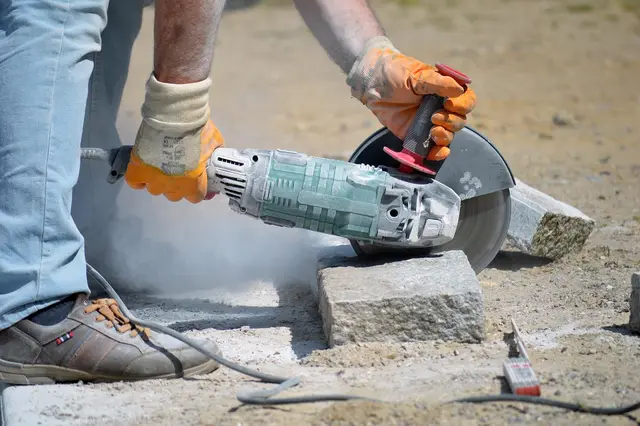
Online power tool and trade supplies shop
Sell power tools, accessories and site kit to tradespeople online, without needing a shop.
- £800-4k
- Side hustle
- Online
Online Irish goods shop
Sell Irish food, knitwear, crafts and gifts online to people in the UK with Irish roots or interests.
- £800-4k
- Side hustle
- Online
Online branded merchandise shop for a niche
Run a website selling custom branded items to one type of customer, such as sports clubs, charities or small trades firms.
- £500-4k
- Side hustle
- Online
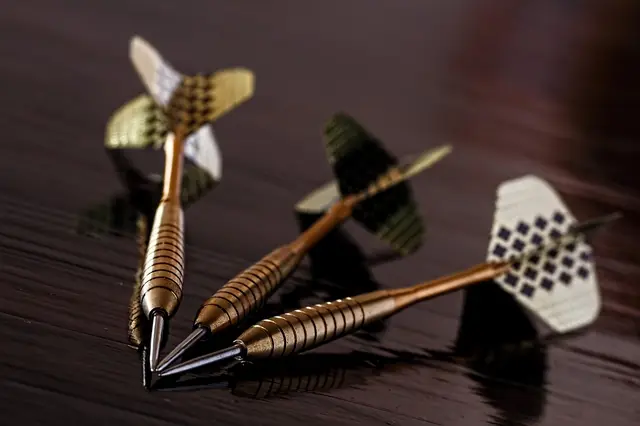
Online darts shop
Sell darts, flights, shafts and boards online to players, pubs and clubs across the UK.
- £500-4k
- Side hustle
- Online
Online needlework and stitching shop
Sell embroidery and cross-stitch kits, threads and fabrics to hobby stitchers through your own website or marketplace shop.
- £800-4k
- Side hustle
- Online