Hull cleaning and boat diving services: how to start
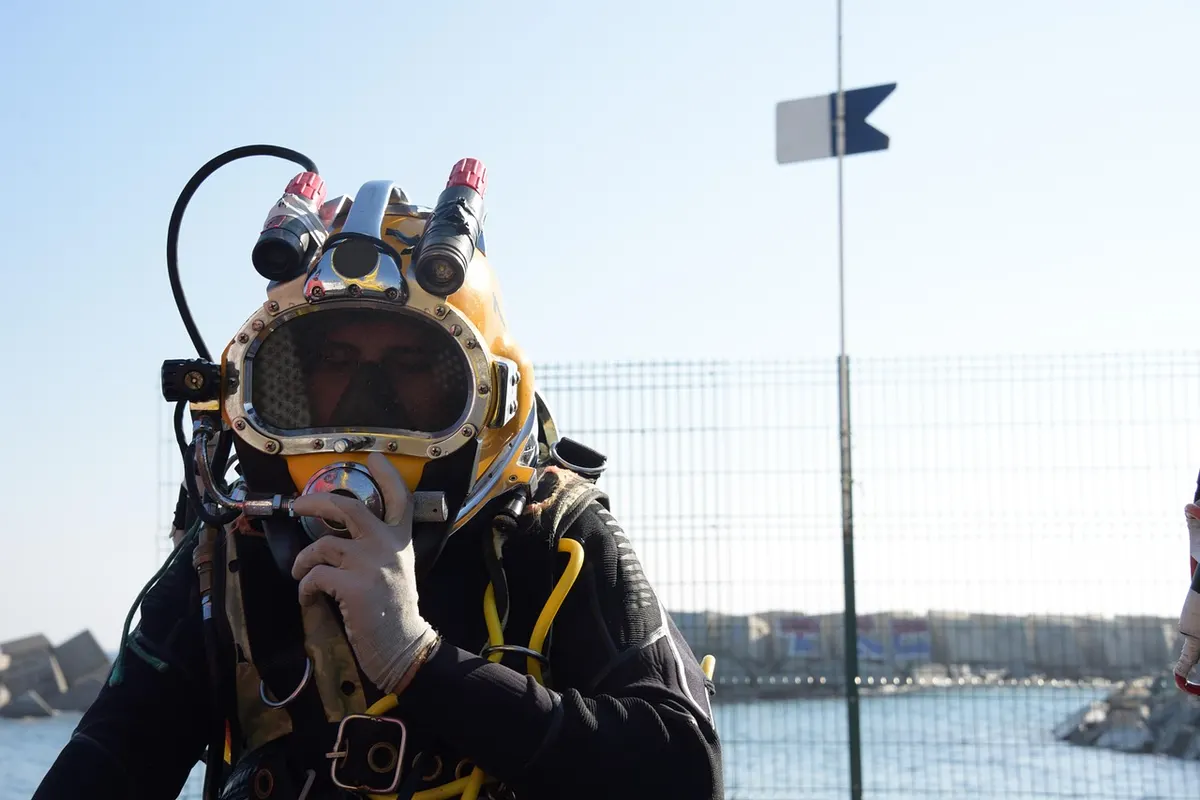
Clean hulls and propellers, clear fouled lines and check moorings for boat owners and marinas, working from a van.
- £8k-30k
- Part-time
- Out and about
- Licence or permit needed
Estimates for a small start in the UK, not guarantees.
Official data
38,095 UK companies in this field, 28% registered in the last 2 years
SIC 71129 “Other engineering activities”. Source: Companies House, November 2026.
What it is
Underwater cleaning and checks for leisure and small commercial boats while they stay afloat. Jobs include hull and propeller cleaning, clearing ropes from propellers, checking anodes and inspecting mooring chains.
Your first three steps
- Check the HSE-approved training route and medical, then book the qualification that matches working in sheltered water
- Visit nearby marinas and yacht clubs to learn their rules for outside divers and what they charge owners
- Price a basic kit list and van setup, then draft a simple price list by boat length
Who pays
Boat owners, yacht clubs, marinas, charter operators and boat management firms.
How it makes money
A fixed price per boat, often by length, plus call-out fees for urgent jobs such as a fouled propeller. Regular seasonal cleans for the same owners build steady work.
Skills that help
- HSE-approved diving qualification
- Boat and marina knowledge
- Reliable scheduling with customers
- Good safety habits
Watch out for
- Paid diving falls under the Diving at Work Regulations 1997. A recreational scuba certificate may not be enough, so check with the HSE
- Marinas often require proof of insurance and may limit who can work on site, so ask before you start
- Check environmental rules about removing antifoul paint and what must be captured, and ask the marina or Environment Agency, SEPA, NRW or NIEA as relevant
- Public liability insurance that covers diving work and damage to customers' boats
- Work is seasonal and weather dependent, so plan for quieter months
🔒 Full research report for UK
Real cost breakdown with current prices, licences and registration checklist, local competition, pricing, break-even and a 30-day launch plan, with sources.
Coming soonQuestions people ask
How much does it cost to start a hull cleaning business?
Estimates suggest startup costs typically around £8,000 to £30,000, depending on your diving kit, van and insurance. Monthly revenue is estimated at around £1,500 to £7,000, and work is seasonal and weather dependent, so plan for quieter months.
Do I need a special qualification to clean boat hulls?
Paid diving falls under the Diving at Work Regulations 1997, and a recreational scuba certificate may not be enough, so check with the HSE. Also check marina insurance requirements and environmental rules on removing antifoul paint.
What insurance and permissions should I check for boat diving work?
Check public liability insurance that covers diving work and damage to customers' boats. Marinas often require proof of insurance and may limit who can work on site, so ask before you start. Check environmental rules with the marina or the relevant environment agency.
Other ways to run this business
Similar trades ideas

Lock and key cutting shop
Run a small shop selling locks and security fittings, with a key cutting counter for walk-in customers.
- £8k-30k
- Full-time
- Own premises

Welding and fabrication workshop
Rent a small unit to make and repair metalwork for local trade customers, from gates to custom brackets.
- £6k-30k
- Full-time
- Own premises

Small pool installation and refurbishment firm
Install, re-line and refurbish garden pools for homeowners with a small, skilled crew.
- £8k-30k
- Full-time
- Out and about
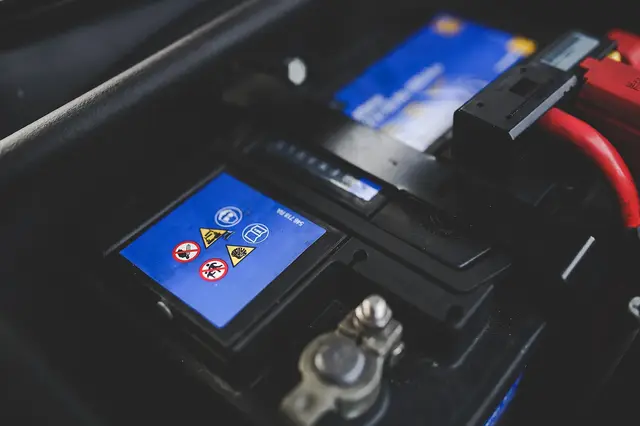
Battery supplier with a van delivery round
Stock common vehicle and equipment batteries in a small unit and deliver same day to garages, workshops and fleets.
- £8k-30k
- Full-time
- Out and about

Refurbished commercial fridge supplier
Buy used catering fridges, have them tested and cleaned, and sell them at lower prices to new and tight-budget food businesses.
- £8k-30k
- Full-time
- Own premises
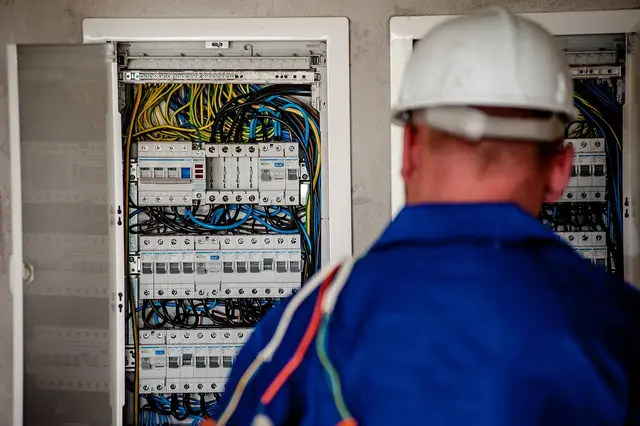
Small electrical contractor for builders and shops
Lead a small team doing wiring and lighting installs for builders, developers and commercial premises.
- £8k-30k
- Full-time
- Out and about
Photo: cosmoerik on Pixabay