Mobile drug and alcohol test collector
Visit workplaces and homes to collect test samples, then send them to a laboratory for analysis.
- £600-3k
- Side hustle
- Out and about
Estimates for a small start in the UK, not guarantees.
Official data
8,155 UK companies in this field, 27% registered in the last 2 years
SIC 71200 “Technical testing and analysis”. Source: Companies House, November 2026.
What it is
You travel to employers, solicitors' clients or individuals to collect urine, oral fluid, hair or breath samples. You follow a strict chain of custody and send the samples to a partner laboratory, which provides the results.
Your first three steps
- Contact laboratories and training providers that offer collector training, and compare what they require and charge
- Complete a collector course, get a basic DBS check and arrange insurance
- Introduce yourself to local employers, solicitors and recruitment agencies and offer a trial collection
Who pays
Employers (especially in transport, construction and care), solicitors, family law clients, recovery services and individuals who want a private test.
How it makes money
A fee per collection visit or per test, often with travel added. Regular contracts with employers or solicitors give more steady work than one-off individual tests.
Skills that help
- Careful, accurate record keeping
- Calm and discreet with people in sensitive situations
- Reliable and punctual
- Willingness to complete collector training
Watch out for
- Check whether your service needs registration with a healthcare regulator. In England this is the Care Quality Commission (CQC); non-clinical sample collection for workplace or legal testing is often outside regulated activities, but confirm with the regulator before trading, especially if you plan to offer anything clinical. Scotland, Wales and Northern Ireland have their own regulators
- Check which laboratories are accredited, as courts and some employers expect accredited testing and trained collectors
- Professional indemnity and public liability insurance
- Handling personal health data, so check your UK GDPR duties and whether you need to pay the data protection fee to the Information Commissioner's Office (ICO)
- Testing in legal cases may have specific guidance, so check what solicitors and courts require
- Mistakes in sample handling can invalidate a result, so follow the lab's procedure exactly
Deep research report · UK
Everything you need to start: mobile drug and alcohol test collector
Researched with live web search for United Kingdom: real startup prices, the licences and rules, what others charge, a break-even example, how to find your first customers and a 30-day launch plan. With sources.
- Startup costs with real prices
- Licences, registration and rules
- Pricing: what others charge
- Break-even example
- Finding your first customers
- 30-day launch plan
- Risks and how to reduce them
Questions people ask
How much does it cost to start a mobile drug testing business?
Startup costs are typically around £600 to £3,000, depending on your training, collection supplies and insurance. These are estimates, so check what your chosen laboratory partner requires before you commit.
How much can a mobile test collector earn?
Monthly revenue is typically around £600 to £3,000, depending on how many employers, solicitors and individuals you work with. These are estimates, and assume at least around six hours a week.
What rules should I check before offering drug and alcohol testing?
Check whether you need registration with a healthcare regulator, such as the CQC in England, and which laboratories are accredited. Also check insurance, UK GDPR duties, the ICO data protection fee, and what solicitors and courts require.
Other ways to run this business
Similar health and wellness ideas

Online nutrition coaching
Offer one-to-one diet and healthy eating consultations and plans to clients by video call.
- £300-3k
- Side hustle
- Online
Remote occupational health assessments
Offer phone and video health assessments and management advice to employers from a home office.
- £800-3k
- Side hustle
- Online
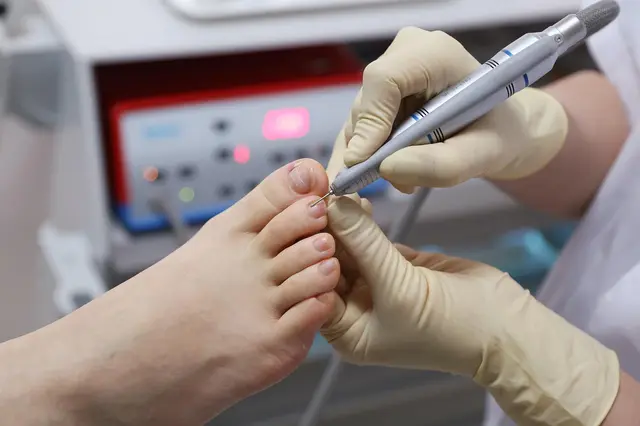
Mobile foot care visits
Visit older and less mobile clients at home for nail cutting, corn and callus care.
- £800-3k
- Side hustle
- Out and about

Online health and wellbeing coach
Coach clients by video call on diet, sleep, movement and everyday habits, one to one or in small groups.
- £500-3k
- Side hustle
- Online

Antenatal classes for local parents-to-be
Run small group classes in a hired local venue to help expectant parents prepare for labour, birth and the early weeks.
- £500-3k
- Side hustle
- Own premises
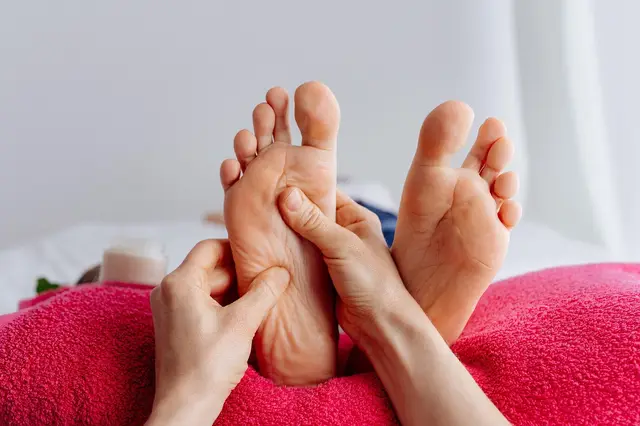
Reflexologist in a rented therapy room
Rent a treatment room by the day or hour in a clinic or salon and build a regular client base.
- £800-3k
- Part-time
- Own premises