Local electrical trade counter and delivery
Run a small unit stocking cable, fittings and lighting for local electricians and builders, with van delivery to site.

- £20k-80k
- Full-time
- Own premises
Estimates for a small start in the UK, not guarantees.
What it is
A small trade counter in a rented unit with core electrical stock, such as cable, consumer units, sockets, lighting and fixings. Local tradespeople collect same day, or you deliver to site by van.
Your first three steps
- Talk to local electricians and builders about what they buy, where from, and what frustrates them about current suppliers
- Open trade accounts with several manufacturers and distributors and get quotes for a core starter stock list
- Price up local units with trade counter access and build a cash flow forecast covering stock, rent and your first months
Who pays
Local electricians, builders, maintenance firms, landlords and small retailers who need parts quickly at trade prices.
How it makes money
Margin on goods bought from manufacturers and larger distributors, helped by trade accounts, volume deals and fast availability. Delivery or out-of-hours collection can add value.
Skills that help
- Product knowledge across electrical ranges
- Stock control and buying
- Credit control and customer service
- Managing a small team
Watch out for
- Stock is a large upfront cost and slow-moving lines tie up cash, start with a tight range
- Check business rates, planning use class and lease terms for any unit
- Public liability, product liability, buildings and contents, and employer's liability insurance once you hire
- Product safety marking and WEEE or battery obligations, check what applies to what you sell
- Trade credit and late payers can strain cash flow, consider credit checks and credit insurance
- Competition from big national wholesalers on price, so focus on service and local speed
Deep research report · UK
Everything you need to start: local electrical trade counter and delivery
Researched with live web search for United Kingdom: real startup prices, the licences and rules, what others charge, a break-even example, how to find your first customers and a 30-day launch plan. With sources.
- Startup costs with real prices
- Licences, registration and rules
- Pricing: what others charge
- Break-even example
- Finding your first customers
- 30-day launch plan
- Risks and how to reduce them
Questions people ask
How much does it cost to start an electrical trade counter?
Startup costs are typically around £20,000 to £80,000, depending on your unit, how much stock you buy, a delivery van and fit-out. Stock is a large upfront cost, so these estimates suit a tight starting range of core lines.
How much can an electrical trade counter earn?
Monthly revenue is typically estimated at around £10,000 to £50,000, depending on your range, location and the number of local trade accounts. This is revenue, not profit, and big national wholesalers compete on price, so service and speed matter.
What should I check before opening an electrical trade counter?
Check business rates, planning use class and lease terms for any unit, and which product safety marking and WEEE or battery obligations apply to what you sell. Also check your insurance, including employer's liability once you hire, and credit control for trade customers.
Other ways to run this business
Similar trades ideas
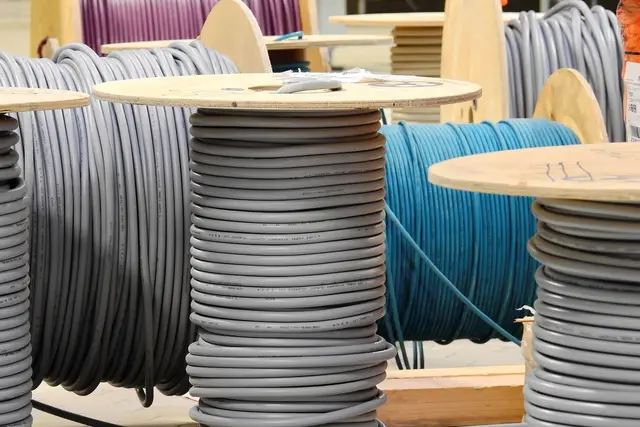
Local cable trade counter and delivery
Run a small unit stocking cable drums for local electricians and contractors, with counter sales and next-day van delivery.
- £20k-80k
- Full-time
- Own premises

Tool wholesaler with a small trade counter
Run a small unit stocking tools in bulk, serving local builders and shops with counter sales and delivery.
- £20k-80k
- Full-time
- Own premises
Plywood and board trade counter
Run a small unit stocking sheet boards, with cutting and local delivery for builders and joiners.
- £20k-80k
- Full-time
- Own premises
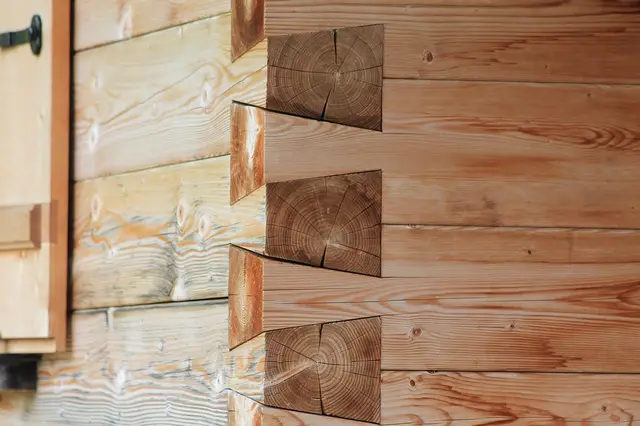
Bespoke log cabin and log home builder
Design and build custom log cabins and log homes from timber in your own workshop, then assemble them on site.
- £20k-80k
- Full-time
- Own premises
Local heating trade counter
Run a small unit where local engineers collect boilers and parts early in the morning, with accounts and a few staff.
- £30k-80k
- Full-time
- Own premises
Hydraulic cylinder and pump repair workshop
Rebuild cylinders, pumps and valves from a small workshop for fleets, plant owners and engineering firms.
- £20k-80k
- Full-time
- Own premises