Small residential english summer camp
Rent boarding space in a school or college each summer and host a small group of young learners for English and activities.

- £10k-40k
- Part-time
- Own premises
Estimates for a small start in the UK, not guarantees.
What it is
A residential camp, usually two to four weeks in July and August. You rent a boarding school, college or university halls, and run morning lessons, afternoon activities, evening events and weekend excursions for young learners from overseas. Most small operators keep numbers modest and work with a few trusted agents.
Your first three steps
- Enquire with boarding schools and colleges about summer venue hire, and compare costs, dates and what is included
- Build a staffing plan with a lead teacher, welfare officer and activity leaders, and book safeguarding training and DBS checks
- Introduce yourself to a small number of agents with a sample timetable, pricing and a clear safeguarding policy
Who pays
Parents overseas, usually booking through language travel agents who send groups or individual students.
How it makes money
An all-inclusive weekly fee covering lessons, accommodation, meals, activities and excursions, with optional extras such as airport transfers.
Skills that help
- Experience of teaching or running youth programmes
- Budgeting and logistics
- Recruiting and managing seasonal staff
- Building relationships with overseas agents
Watch out for
- Safeguarding and welfare: written policies, DBS checks, safer recruitment and a 24-hour duty plan
- Check with Ofsted, your local authority and the venue what rules apply to children staying overnight
- Many agents expect accreditation, such as Accreditation UK or English UK junior centre standards. Check what applies to you
- Visa, entry and parental consent rules for overseas children. Check current Home Office guidance
- Public liability and employer's liability insurance, plus cover for cancellations, trips and medical incidents
- Large upfront costs for venue hire and staff before fees arrive, so agree deposits and refund terms carefully
Deep research report · UK
Everything you need to start: small residential English summer camp
Researched with live web search for United Kingdom: real startup prices, the licences and rules, what others charge, a break-even example, how to find your first customers and a 30-day launch plan. With sources.
- Startup costs with real prices
- Licences, registration and rules
- Pricing: what others charge
- Break-even example
- Finding your first customers
- 30-day launch plan
- Risks and how to reduce them
Questions people ask
How much does it cost to start a residential English camp?
Startup costs are typically around £10,000 to £40,000, depending on the venue, staff and activities. Monthly revenue is estimated at around £15,000 to £60,000, depending on how many students attend and how long you run.
What rules apply to a residential summer camp for children?
Check safeguarding and welfare: written policies, DBS checks, safer recruitment and a 24-hour duty plan. Check with Ofsted, your local authority and the venue about overnight stays. Also check accreditation, Home Office visa guidance, parental consent and insurance.
What skills and time do I need to run a residential camp?
You need experience of teaching or running youth programmes, budgeting and logistics skills, the ability to recruit and manage seasonal staff, and good agent relationships. Estimates suggest at least around 30 hours a week, depending on the camp schedule.
Other ways to run this business
Similar teaching and tutoring ideas

Telecoms and cabling training centre
Run hands-on short courses in fibre, structured cabling and network installation from a small rented unit.
- £8k-40k
- Part-time
- Own premises
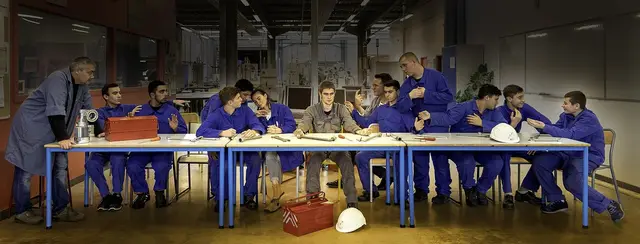
Small hands-on trade training centre
Rent a small unit and teach a practical trade skill to career changers and school leavers in short courses.
- £8k-40k
- Part-time
- Own premises

Drum school with its own rooms
Rent a small unit or music rooms, fit out drum rooms and build a school with several teachers and group classes.
- £15k-50k
- Full-time
- Own premises
Small shared woodwork and craft workshop
Rent out bench space and hand and power tools by the month or day to local makers and hobbyists.
- £8k-30k
- Part-time
- Own premises
Small first aid training centre
Run a small training room offering scheduled first aid courses for local employers and the public, with a few trainers.
- £8k-30k
- Full-time
- Own premises

Montessori preschool in a hired hall
Run morning or school-day Montessori sessions for 2 to 5 year olds in a rented church or community hall.
- £5k-25k
- Part-time
- Own premises