Small trade counter for paints and finishes
Run a local trade counter in a small unit, stocking paints and finishes for decorators and joiners.

- £15k-70k
- Full-time
- Own premises
Estimates for a small start in the UK, not guarantees.
Official data
2,599 UK companies in this field, 25% registered in the last 2 years
SIC 46750 “Wholesale of chemical products”. Source: Companies House, November 2026.
What it is
A small unit on an industrial estate with a trade counter, stocking popular paints, primers, varnishes, fillers and sundries, with colour matching and local delivery as add-ons.
Your first three steps
- Visit local decorators and joiners to find which products and brands they want and which gaps merchants leave
- Look at small unit rents and business rates in your area, and speak to wholesalers about opening accounts and stock terms
- Build a realistic budget covering the unit, stock, shelving and any tinting machine before committing to a lease
Who pays
Local decorators, joiners, builders, landlords and property maintenance firms who want quick collection and advice.
How it makes money
Margin on stock sold over the counter and by account, with extra income from colour mixing, delivery and trade account customers.
Skills that help
- Strong product knowledge
- Stock control and ordering
- Customer service and negotiating with suppliers
Watch out for
- Rent, business rates and stock tie up a lot of cash, so build a cautious budget
- Check planning use class and fire safety rules for storing paints and solvents, and speak to your council and fire authority
- Shop or buildings and contents insurance, public liability, and employer's liability if you hire
- Tinting machines and chemicals need training and proper handling, check health and safety rules (COSHH)
- Large merchants and online sellers compete hard on price, so service and local knowledge matter
Deep research report · UK
Everything you need to start: small trade counter for paints and finishes
Researched with live web search for United Kingdom: real startup prices, the licences and rules, what others charge, a break-even example, how to find your first customers and a 30-day launch plan. With sources.
- Startup costs with real prices
- Licences, registration and rules
- Pricing: what others charge
- Break-even example
- Finding your first customers
- 30-day launch plan
- Risks and how to reduce them
Questions people ask
How much does it cost to open a paint trade counter?
Startup costs are typically around £15,000 to £70,000, depending on your unit, rent, business rates and how much stock you carry. These are estimates, so build a cautious budget as rent and stock tie up a lot of cash.
How much can a small trade counter take each month?
Monthly revenue is typically around £6,000 to £30,000, depending on your range, location and local trade customers. Large merchants and online sellers compete on price, so service matters. Revenue is not the same as profit.
What rules should I check before opening a trade counter?
Check planning use class and fire safety rules for storing paints and solvents with your council and fire authority. Also check COSHH health and safety rules for tinting machines and chemicals, plus buildings, contents, public liability and employer's liability insurance.
Other ways to run this business

Mobile paint and finishes supplier to the trades
Deliver paint, varnish and finishing products straight to decorators and joiners on site, from a van.
- £3k-15k
- Part-time
- Out and about

Online specialist finishes shop for trades
Sell a focused range of wood finishes, specialist paints and sundries online to joiners and decorators.
- £1k-8k
- Side hustle
- Online
Similar trades ideas

Garage door trade counter and parts store
Run a small unit stocking doors and parts so local installers can collect same day and avoid waiting on deliveries.
- £15k-70k
- Full-time
- Own premises
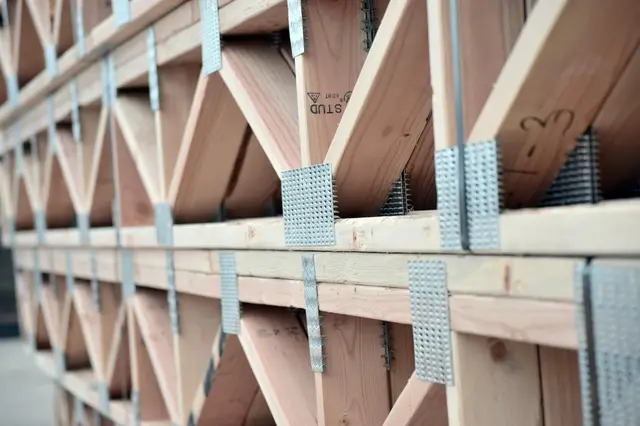
Small timber frame supply yard
Stock, cut and deliver studwork and framing timber to local builders, joiners and self-build sites from a small unit or yard.
- £15k-70k
- Full-time
- Own premises
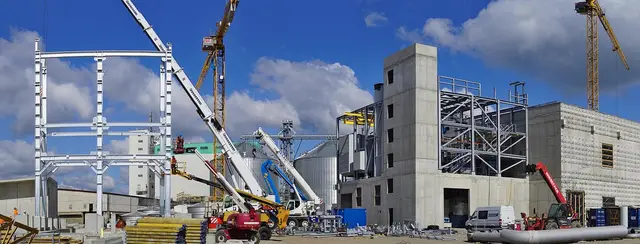
Small structural steel fabrication workshop
Fabricate beams, frames and steel fittings for extensions and small builds from a rented unit.
- £15k-70k
- Full-time
- Own premises
Local stone and landscaping yard
Run a small yard stocking slabs, paving and decorative stone for local builders, masons and homeowners.
- £15k-75k
- Full-time
- Own premises
Lighting trade counter and warehouse
Stock a unit with popular lighting ranges and sell to local electricians, builders and shops, with delivery or counter collection.
- £15k-60k
- Full-time
- Own premises
Electric motor repair and rewind workshop
Run a small unit that repairs, rewinds and tests motors for local farms, factories and workshops.
- £15k-60k
- Full-time
- Own premises
Photo: stux on Pixabay