Floor sanding and refinishing business
Sand and refinish wooden floors in homes and small businesses, priced per square metre.
- £2.5k-10k
- Part-time
- Out and about
Estimates for a small start in the UK, not guarantees.
What it is
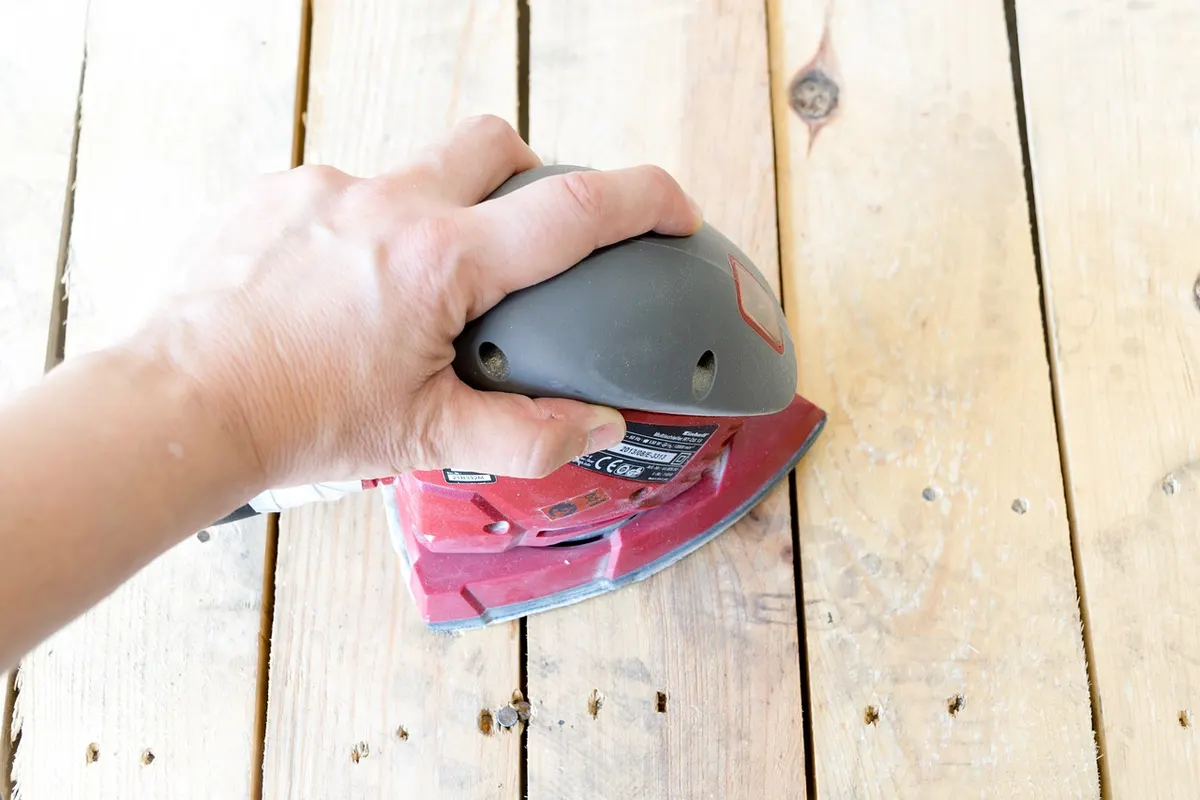
Taking worn or stained wooden floors back to bare wood with drum and edge sanders, then finishing them with oil, lacquer or stain. You travel to each job with your equipment in a van.
Your first three steps
- Book a floor sanding training course or work alongside an experienced sander to practise on spare boards
- Price up second-hand or new drum and edge sanders, dust extraction and finishes, and check van space
- Offer to quote for a few local jobs, photograph your before and after results and ask for reviews
Who pays
Homeowners, landlords, builders and renovators, estate agents, and small businesses such as cafes, shops and studios.
How it makes money
Price per square metre or per room, depending on the floor condition and finish. Extras include gap filling, stairs, stain or colour work and repairs to damaged boards.
Skills that help
- Confident with heavy machinery
- Attention to detail for an even finish
- Quoting and measuring jobs accurately
- Customer service and tidiness in people's homes
Watch out for
- Public liability insurance, and check your policy covers damage to customers' floors
- Wood dust is a health hazard and a fire risk, so check dust extraction, respiratory protection and safe disposal
- Old floors may hide nails, or contain lead paint or other hazards, so check before sanding
- Sanding too deep can ruin a floor, so practise first and be clear about limits when quoting
- Check noise and working hour rules, especially in flats
Deep research report · UK
Everything you need to start: floor sanding and refinishing
Researched with live web search for United Kingdom: real startup prices, the licences and rules, what others charge, a break-even example, how to find your first customers and a 30-day launch plan. With sources.
- Startup costs with real prices
- Licences, registration and rules
- Pricing: what others charge
- Break-even example
- Finding your first customers
- 30-day launch plan
- Risks and how to reduce them
Questions people ask
How much does it cost to start a floor sanding business in the UK?
Estimates suggest startup costs typically around £2,500 to £10,000, depending on the machines, finishes and van you need. Treat this as a guide only, and get quotes for equipment, dust extraction, protective gear and insurance before you commit.
How much can a floor sanding business make?
Monthly revenue is typically estimated at around £1,500 to £6,000, depending on how many jobs you take, the size of the floors and the hours you work. That is revenue before your costs. The estimates assume at least 15 hours a week.
What should I check before sanding floors for customers?
Check that your public liability insurance covers damage to customers' floors, and check dust extraction, respiratory protection and safe disposal. Also check old floors for nails or lead paint, and check noise and working hour rules, especially in flats.
Other ways to run this business
Similar trades ideas

Air conditioning and ventilation installer
Fit and maintain split air conditioning units and ventilation systems for shops, offices and homes.
- £3k-10k
- Part-time
- Out and about

Online specialist pipe and fittings shop
Sell a focused range of pipes and fittings online to trades and DIYers, shipped from a small store or supplier.
- £2k-10k
- Side hustle
- Online

On-site stone cutting for gardens and building work
Travel to jobs to cut and shape stone for paths, walls, steps and garden features.
- £2k-10k
- Part-time
- Out and about

Staircase fitter and refurbisher
Fit new staircases and refurbish tired ones in homes, working from a van and ordering parts from trade suppliers.
- £2.5k-10k
- Part-time
- Out and about

Subcontract pool fitter for pool builders
Offer liner fitting, tiling or plant installation to pool firms that need extra skilled hands.
- £2k-10k
- Part-time
- Out and about
Kitchen and bathroom refurbishment specialist
Strip out and refit kitchens and bathrooms for homeowners, managing the trades yourself.
- £2k-10k
- Part-time
- Out and about
Photo: photonia on Pixabay