Local flooring shop and showroom
Sell carpets, laminate, vinyl and tiles from a small local showroom to homeowners and fitters.
- £25k-90k
- Full-time
- Own premises
Estimates for a small start in the UK, not guarantees.
Official data
5,253 UK companies in this field, 21% registered in the last 2 years
SIC 47530 “Retail sale of carpets, rugs, wall and floor coverings in specialised stores”. Source: Companies House, November 2026.
What it is
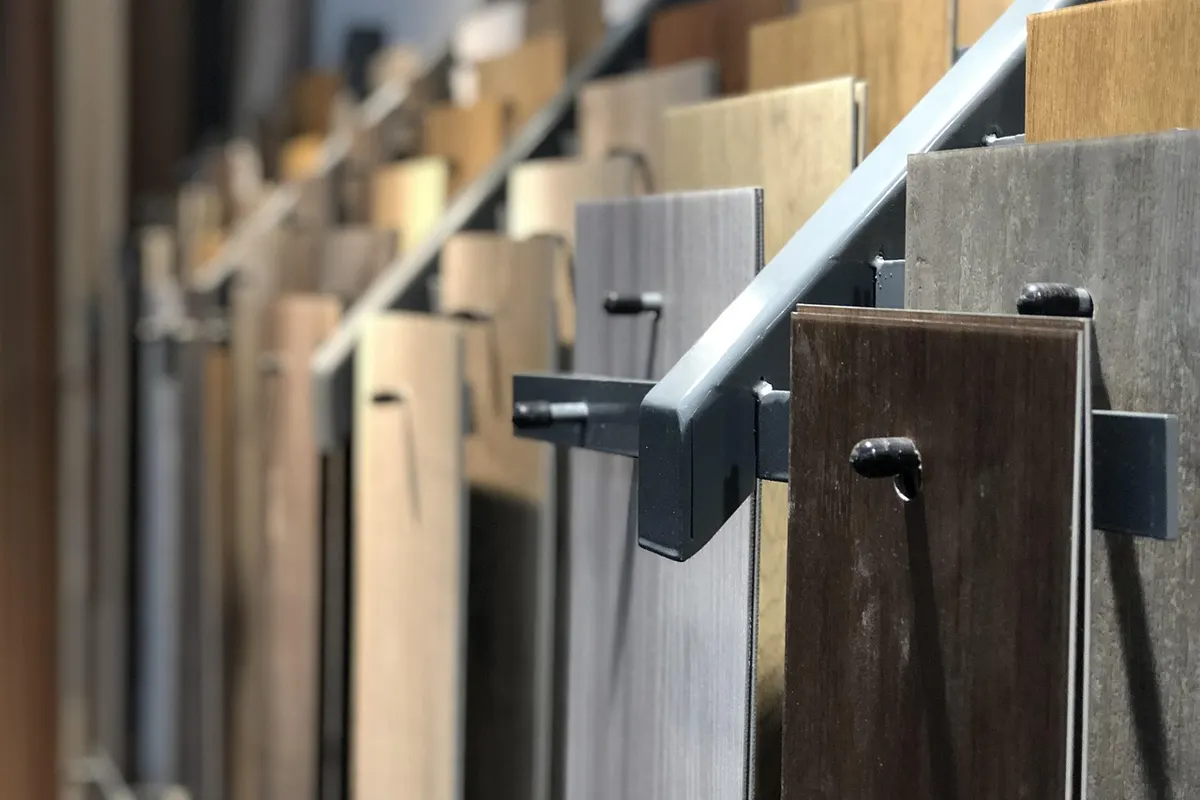
A small shop with sample displays and some stock, selling carpets, tiles, laminate, vinyl and wood flooring. You measure up, quote, order from suppliers and usually arrange fitting through your own or local fitters.
Your first three steps
- Visit local flooring shops, note their ranges and prices, and spot gaps in your area such as a trade counter or a budget range
- Contact flooring wholesalers and manufacturers about trade accounts, sample books and minimum orders
- Price up a shortlist of small units, including rent, business rates and fit-out, and work out your break-even sales
Who pays
Homeowners, landlords, small builders and local fitters buying on trade accounts.
How it makes money
Profit margin on flooring sold, plus fitting charges, underlay, trims and accessories. Trade customers buy at lower margins but bring repeat orders.
Skills that help
- Selling and giving honest advice
- Measuring and quoting accurately
- Managing stock, suppliers and cash flow
Watch out for
- Lease terms, deposits and business rates, check these before signing anything
- Public liability and stock/contents insurance, plus employer's liability once you hire
- Consumer rights on faulty or wrongly measured flooring, and who is responsible when a fitter makes a mistake
- Fire safety and shop layout requirements, check with your local council
- Cash tied up in stock and slow-paying trade customers
- Whether you need to register as a waste carrier if you take away old flooring, check with the Environment Agency or your national equivalent
Deep research report · UK
Everything you need to start: local flooring shop and showroom
Researched with live web search for United Kingdom: real startup prices, the licences and rules, what others charge, a break-even example, how to find your first customers and a 30-day launch plan. With sources.
- Startup costs with real prices
- Licences, registration and rules
- Pricing: what others charge
- Break-even example
- Finding your first customers
- 30-day launch plan
- Risks and how to reduce them
Questions people ask
How much does it cost to open a flooring shop?
Startup costs are typically around £25,000 to £90,000, depending on your premises and the stock you hold. These are estimates. Check lease terms, deposits and business rates before signing anything.
How much can a local flooring shop make?
Monthly revenue is typically around £8,000 to £35,000, depending on your location, range and trade customers. These are estimates, with a minimum of around 40 hours a week. Cash can be tied up in stock and slow-paying trade customers.
What should I check before opening a flooring shop?
Check lease terms, business rates, public liability and stock insurance, and consumer rights on faulty or wrongly measured flooring. Also check fire safety and layout requirements with your council, and whether you need to register as a waste carrier.
Other ways to run this business
Similar retail ideas

Neighbourhood Chinese grocery shop
Open a small shop selling Chinese groceries, fresh produce and household goods to your local community.
- £25k-90k
- Full-time
- Own premises
Electric motor trade counter shop
Run a small unit stocking motors and spares for local workshops, trades and walk-in buyers.
- £25k-90k
- Full-time
- Own premises

Stationery wholesale unit with delivery
Rent a small unit, stock a wide range and deliver regularly to schools, offices and shops in your area.
- £30k-90k
- Full-time
- Own premises
Local tool and equipment hire shop
Run a small unit hiring and selling power tools and site equipment to trades and homeowners.
- £25k-100k
- Full-time
- Own premises

Gun shop counter selling ammunition and shooting supplies
Run a small licensed shop selling ammunition and shooting accessories to local sporting users, with regular opening hours.
- £20k-80k
- Full-time
- Own premises

Local yard supplying blocks, paving and slabs
Run a small yard with a trade counter and delivery lorry, stocking concrete products for local builders and homeowners.
- £20k-80k
- Full-time
- Own premises
Photo: Urban_JM on Pixabay