Specialist food wholesaler with a local delivery round
Stock a focused range from a small unit and deliver to local cafés, delis and caterers on trade accounts.

- £12k-50k
- Full-time
- Own premises
- Licence or permit needed
Estimates for a small start in the UK, not guarantees.
Official data
6,300 UK companies in this field, 43% registered in the last 2 years
SIC 46390 “Non-specialised wholesale of food, beverages and tobacco”. Source: Companies House, November 2026.
What it is
A small trade supplier working from a rented unit with shelving and perhaps chilled storage. You buy in bulk from producers or larger wholesalers, then sell and deliver to local businesses. Choosing a niche such as Italian, Caribbean, bakery ingredients or local produce helps you stand out from the big suppliers.
Your first three steps
- Pick a niche and speak to 10 local cafés, delis or caterers about what they struggle to get
- Ask a few producers or larger wholesalers for trade prices and minimum orders, then work out your margins
- Contact your local council about food business registration and look at small units to rent
Who pays
Independent cafés, restaurants, delis, farm shops, takeaways and caterers who want a reliable local supplier.
How it makes money
You sell at a mark-up on what you buy, usually on weekly or fortnightly orders. Margins per item are modest, so profit depends on regular repeat customers and efficient delivery routes.
Skills that help
- Selling and building trade relationships
- Stock control and ordering
- Basic bookkeeping and credit control
- Reliable driving and route planning
Watch out for
- Register your food business with your local council, and check whether handling meat, fish or dairy needs extra approval
- Food hygiene and traceability rules, including a HACCP-based food safety plan and good records
- Selling alcohol needs a licence, so check before you stock it
- Cash flow, because customers on trade accounts may pay 14 to 30 days after delivery while you pay suppliers sooner
- Public liability and product liability insurance, plus goods in transit cover for your van
- Chilled and frozen stock needs reliable temperature control and waste can eat into margins
- Check VAT rules, as most food is zero-rated but some products are not
Deep research report · UK
Everything you need to start: specialist food wholesaler with a delivery round
Researched with live web search for United Kingdom: real startup prices, the licences and rules, what others charge, a break-even example, how to find your first customers and a 30-day launch plan. With sources.
- Startup costs with real prices
- Licences, registration and rules
- Pricing: what others charge
- Break-even example
- Finding your first customers
- 30-day launch plan
- Risks and how to reduce them
Questions people ask
How much does it cost to start a food wholesale business?
Startup costs are typically around £12,000 to £50,000, depending on your unit, stock, storage, chilled equipment and van. These are estimates, so build a budget around your chosen niche and the range of products you plan to stock.
How much can a small food wholesaler earn?
Monthly revenue is typically around £8,000 to £40,000, depending on your customer base, product range and delivery area. These are estimates of sales, not profit, and you could expect to work around 30 hours a week.
What should I check before starting a food wholesale business?
Check that you register your food business with your local council, and whether meat, fish or dairy needs extra approval. Also check food hygiene and traceability rules, alcohol licensing, VAT treatment, and insurance for liability and goods in transit.
Other ways to run this business
Similar food ideas
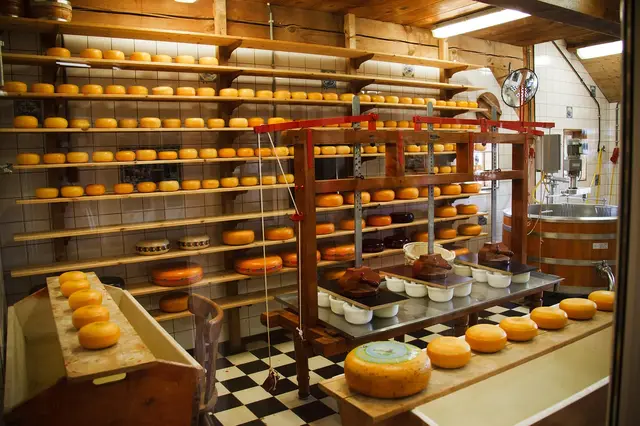
Small-batch cheesemaker with your own dairy unit
Make cheese in a small registered dairy unit and sell to delis, restaurants, markets and online.
- £10k-50k
- Part-time
- Own premises

Local milkround by electric van
Deliver milk, dairy and everyday groceries to subscribing households on an early morning round.
- £12k-50k
- Part-time
- Out and about
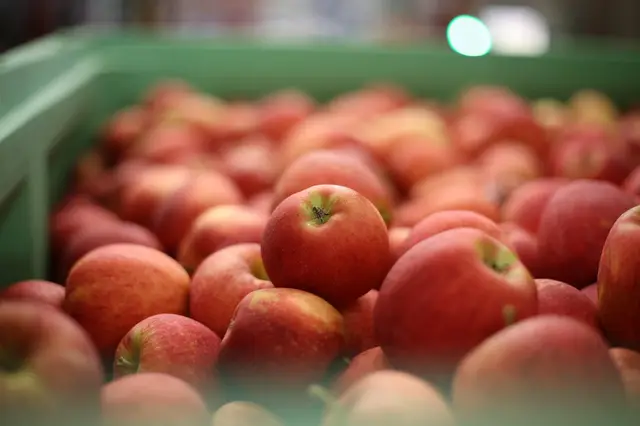
Fruit wholesaler from a small unit
Rent a small unit with cold storage, buy fruit in bulk and supply shops, market traders and caterers.
- £10k-50k
- Full-time
- Own premises

Pretzel shop in a small unit or kiosk
Bake and sell pretzels and snacks from a small shop, kiosk or station-style unit.
- £12k-50k
- Full-time
- Own premises
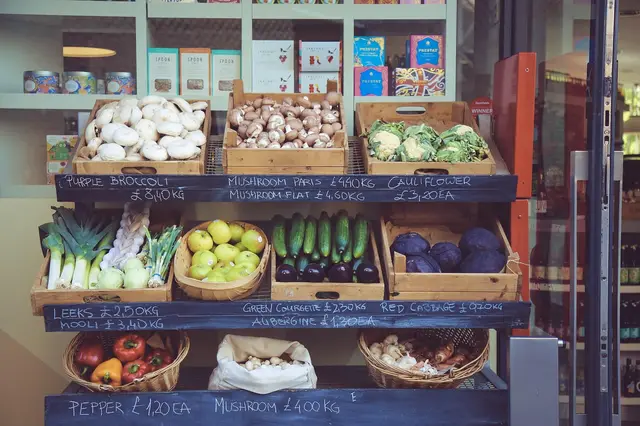
Independent greengrocer's shop
Open a small high street shop selling fresh fruit, veg and local goods.
- £10k-50k
- Full-time
- Own premises

Cookie shop with a small unit
Open a small shopfront or kiosk baking and selling fresh cookies, drinks and gift boxes every day.
- £10k-50k
- Full-time
- Own premises