Neighbourhood general store
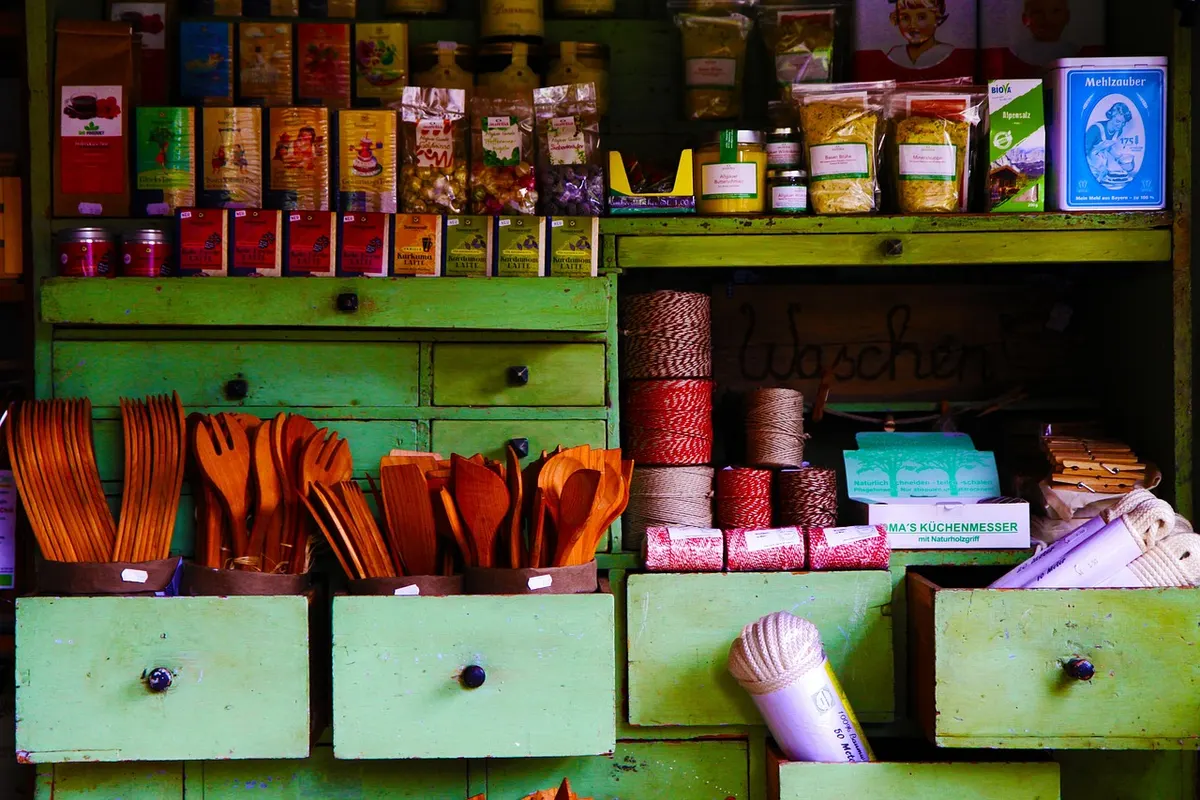
Run a small local shop selling groceries, household basics and everyday essentials to people nearby.
- £15k-75k
- Full-time
- Own premises
- Licence or permit needed
Estimates for a small start in the UK, not guarantees.
Official data
34,633 UK companies in this field, 36% registered in the last 2 years
SIC 47110 “Retail sale in non-specialised stores with food, beverages or tobacco predominating”. Source: Companies House, November 2026.
What it is
A small shop stocking everyday groceries, snacks, drinks, cleaning products, toiletries and household basics. It suits a village, housing estate or high street with few other convenient options.
Your first three steps
- Visit your shortlisted area at different times of day and count footfall, checking what nearby shops already stock
- Open a trade account with a cash and carry or wholesaler and get price lists to work out your margins
- Find a unit or an existing shop for sale, and check lease terms, business rates and planning use with the landlord and council
Who pays
Local residents, older people, families topping up their shopping, workers and passing trade.
How it makes money
You buy stock from wholesalers and sell at a mark-up. Profit depends on the margins on each product, your rent, and how much steady footfall you get.
Skills that help
- Stock buying and ordering
- Basic bookkeeping
- Friendly customer service
- Managing a till and cash
Watch out for
- Selling food means registering your food business with your local council, usually at least 28 days before you open, so check timings with them
- You only need a licence for alcohol if you choose to sell it: this means a premises licence and a designated premises supervisor with a personal licence, both arranged through your council
- Tobacco, vapes, knives and lottery sales have their own age and registration rules that vary by nation, so check with your council or Trading Standards before stocking them
- Age-restricted sales need staff training and checks to avoid fines
- Public liability and stock insurance, plus employers' liability insurance once you hire
- Business rates, rent and a long lease are big commitments, so get advice before signing
- Supermarket convenience stores compete on price, so look for a gap in your area
Deep research report · UK
Everything you need to start: neighbourhood general store
Researched with live web search for United Kingdom: real startup prices, the licences and rules, what others charge, a break-even example, how to find your first customers and a 30-day launch plan. With sources.
- Startup costs with real prices
- Licences, registration and rules
- Pricing: what others charge
- Break-even example
- Finding your first customers
- 30-day launch plan
- Risks and how to reduce them
Questions people ask
How much does it cost to open a neighbourhood shop?
Estimates suggest startup costs are typically around £15,000 to £75,000, depending on the premises, the stock you buy in and how you set the shop up. Get advice on rent, rates and lease terms before signing anything.
How much can a small general store make?
Estimated monthly revenue is typically around £8,000 to £40,000, depending on your location, opening hours and product range. Supermarket convenience stores compete on price, so look for a gap in your area before you commit.
What licences and rules should I check for a general store?
Check food business registration with your local council, usually at least 28 days before opening. If you sell alcohol, check premises and personal licence rules. Also check rules for tobacco, vapes, knives and lottery sales, age-restricted sales training, and insurance.
Similar retail ideas

Farm shop with a proper shop unit
Open a shop on or near a farm selling your own produce plus meat, dairy and goods from other local producers.
- £15k-75k
- Full-time
- Own premises
Electronics wholesale from a small unit
Rent a small unit, hold a wider range of electronics and supply retailers and trade buyers in bulk.
- £15k-75k
- Full-time
- Own premises
Park home dealership with a display site
Sell new and used park homes from a small display site and arrange delivery to buyers' pitches.
- £15k-75k
- Full-time
- Own premises

Gun shop counter selling ammunition and shooting supplies
Run a small licensed shop selling ammunition and shooting accessories to local sporting users, with regular opening hours.
- £20k-80k
- Full-time
- Own premises
Local yard supplying blocks, paving and slabs
Run a small yard with a trade counter and delivery lorry, stocking concrete products for local builders and homeowners.
- £20k-80k
- Full-time
- Own premises
Small kitchen showroom
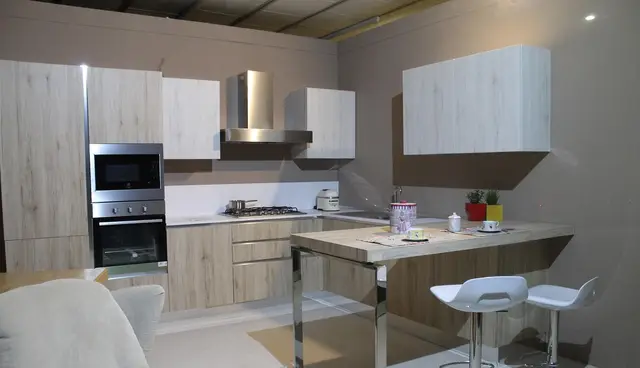
Open a local showroom with display kitchens, worktops and appliances, plus design and fitting for homeowners.
- £20k-80k
- Full-time
- Own premises
Photo: 4262159 on Pixabay