Home-Based men's clothing alterations
Shorten trousers, take in jackets and re-fit shirts for men from a sewing room at home.
- £400-2k
- Side hustle
- From home
Estimates for a small start in the UK, not guarantees.
Official data
1,257 UK companies in this field, 28% registered in the last 2 years
SIC 14131 “Manufacture of other men's outerwear”. Source: Companies House, November 2026.
What it is
Altering ready-made men's clothing to fit properly: trouser hems, waist adjustments, jacket sleeves, shirt darts and zip repairs. Work is done at home, with clients booked in for fittings.
Your first three steps
- Set up a well-lit workspace with a good machine, an iron and a fitting area, and write a simple price list after checking local rates
- Practise on second-hand suits and jackets until your finish is consistently neat
- Ask local menswear shops, dry cleaners and wedding hire shops whether they need an alterations partner
Who pays
Men buying off-the-peg suits, office workers, wedding guests and local menswear shops that send work out.
How it makes money
A fixed price per alteration, for example per hem or per jacket adjustment. Repeat custom and referrals from menswear shops help fill your week.
Skills that help
- Machine and hand sewing
- Knowledge of suit and trouser construction
- Accurate measuring and pinning
- Friendly, clear customer service
Watch out for
- Check whether your landlord, mortgage lender or council needs to agree to customers visiting your home
- Public liability insurance and cover for customers' garments in your care
- Mistakes on expensive garments can be costly, so agree work clearly before you cut
- Check how to register as a sole trader with HMRC
Deep research report · UK
Everything you need to start: home-based clothing alterations for men
Researched with live web search for United Kingdom: real startup prices, the licences and rules, what others charge, a break-even example, how to find your first customers and a 30-day launch plan. With sources.
- Startup costs with real prices
- Licences, registration and rules
- Pricing: what others charge
- Break-even example
- Finding your first customers
- 30-day launch plan
- Risks and how to reduce them
Questions people ask
How much does it cost to start a clothing alterations business at home?
Typically around £400 to £2,000, depending on your sewing equipment and workspace set-up. Monthly revenue is estimated at around £300 to £2,000, depending on how many clients and garments you take on.
What should I check before taking clients at home?
Check whether your landlord, mortgage lender or council needs to agree to customers visiting your home. Also check public liability insurance, cover for customers' garments in your care, and how to register as a sole trader with HMRC.
What skills and hours do I need for men's alterations?
Machine and hand sewing, knowledge of suit and trouser construction, and accurate measuring and pinning are key. Estimates suggest at least around 8 hours a week, so it can fit around other work. Agree work clearly before you cut.
Other ways to run this business
Similar creative ideas

Painting classes in village halls and cafes
Run weekly painting classes in hired halls, cafes or community centres, and grow a regular group.
- £400-2k
- Side hustle
- Out and about

Home-based custom decal and sticker shop
Cut vinyl decals and stickers at home and sell them online to small businesses, clubs and hobbyists.
- £400-2k
- Side hustle
- From home

Home glass engraving studio
Engrave names, dates and designs onto glasses, gifts and awards from a spare room or garage.
- £300-2k
- Side hustle
- From home

Specialist online news service
Cover one niche, such as farming or local property, and supply stories to trade titles and websites.
- £400-2k
- Side hustle
- Online

Niche ebook publishing imprint
Publish ebooks for a niche readership, from your own writing or other authors, and sell them through online stores.
- £200-2k
- Side hustle
- From home

Community dance company for schools and groups
Run a dance company that delivers performances and workshops in schools, care settings and community venues, partly grant funded.
- £400-2k
- Part-time
- Out and about
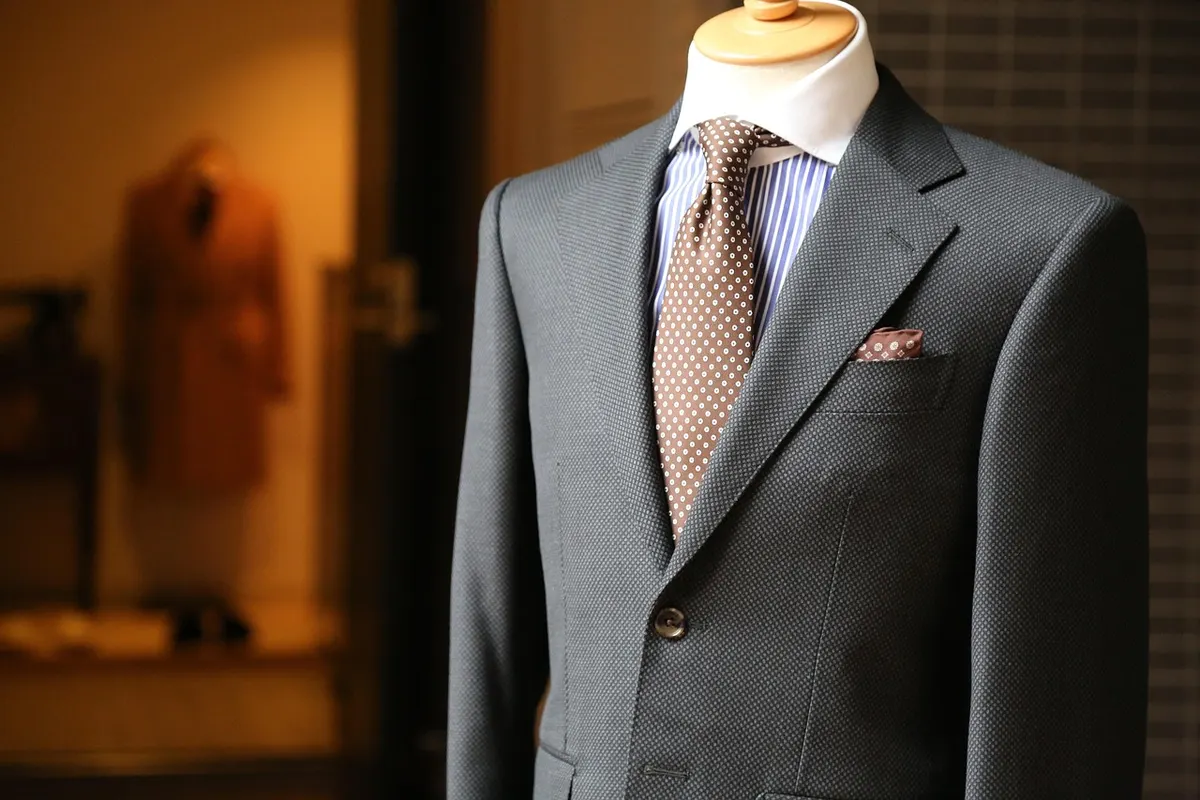
Photo: matham315 on Pixabay