Independent community gym
Open a friendly, staffed local gym in a rented unit, funded by monthly memberships.

- £40k-150k
- Full-time
- Own premises
Estimates for a small start in the UK, not guarantees.
Official data
16,288 UK companies in this field, 37% registered in the last 2 years
SIC 93130 “Fitness facilities”. Source: Companies House, November 2026.
What it is
A small independent gym in a rented unit or former shop, with free weights, a few cardio machines and a stretch area. You are on hand to welcome members, run inductions and keep the space clean and safe.
Your first three steps
- Check what gyms already exist nearby and how much they charge, then pick a gap such as a quieter, friendlier or specialist gym
- Price up units in your area and ask for a draft lease, and get quotes for new and second-hand equipment
- Build a simple business plan and talk to your bank about funding, and start collecting names for a founding-member offer
Who pays
Local people who want a more personal alternative to a big chain, such as beginners, lifters, older adults and shift workers.
How it makes money
Monthly memberships by direct debit, plus day passes, joining fees, induction packages and optional extras like classes or personal training rented to self-employed coaches.
Skills that help
- Welcoming and good with people
- Basic fitness knowledge
- Budgeting and managing a lease
- Local marketing and selling memberships
Watch out for
- Lease terms, rent reviews and any personal guarantee you are asked to sign, ideally have a solicitor read it
- Check with your council that the unit is allowed to be used as a gym, plus any noise or opening hours limits
- Public liability insurance, and employer's liability insurance once you hire staff
- A health and safety risk assessment, first aid cover and a plan for emergencies (many gyms keep a defibrillator)
- Music licences if you play music, and data protection rules for member details and any CCTV
- Membership churn and quiet summer months, so keep a cash buffer
- Business rates and VAT, check what applies to your unit and turnover
Deep research report · UK
Everything you need to start: independent community gym
Researched with live web search for United Kingdom: real startup prices, the licences and rules, what others charge, a break-even example, how to find your first customers and a 30-day launch plan. With sources.
- Startup costs with real prices
- Licences, registration and rules
- Pricing: what others charge
- Break-even example
- Finding your first customers
- 30-day launch plan
- Risks and how to reduce them
Questions people ask
How much does it cost to start a community gym?
As an estimate, startup costs are typically around £40,000 to £150,000, depending on the unit, lease terms and how much equipment you buy. Ideally have a solicitor read the lease, including any personal guarantee you are asked to sign.
How much can a small independent gym earn?
Monthly revenue is typically estimated at around £6,000 to £30,000, depending on your membership numbers and prices. Membership churn and quiet summer months can affect income, so keep a cash buffer.
What rules should I check before opening a gym?
Check with your council that the unit can be used as a gym, plus any noise or opening hours limits. Also check public and employer's liability insurance, a health and safety risk assessment, first aid, music licences, data protection, business rates and VAT.
Other ways to run this business
Similar sports and fitness ideas

Archery club with its own indoor range
Open a year-round club in a rented unit with a permanent range, coaching, memberships and group bookings.
- £40k-150k
- Full-time
- Own premises
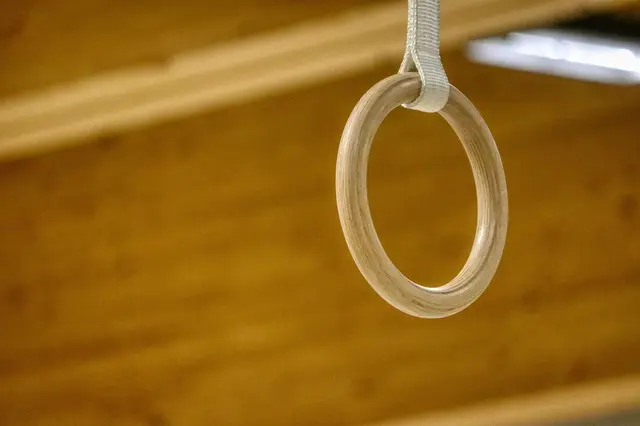
Gymnastics club with its own gym
Lease a unit, fit it out as a gym and run classes and squads for children across the week.
- £30k-150k
- Full-time
- Own premises
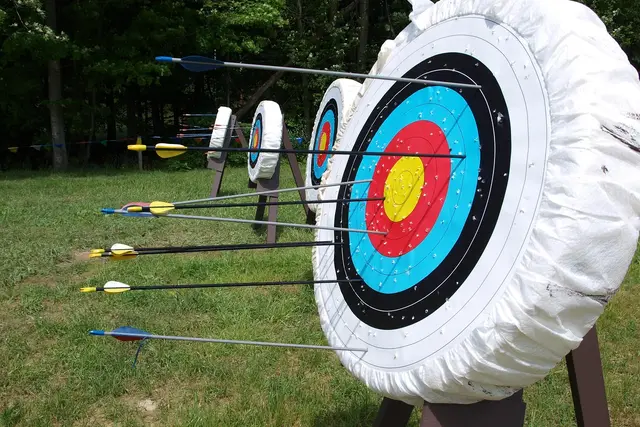
Indoor archery range with hire lanes
Rent a unit, set up shooting lanes and charge individuals and groups to book a lane and practise.
- £40k-150k
- Full-time
- Own premises
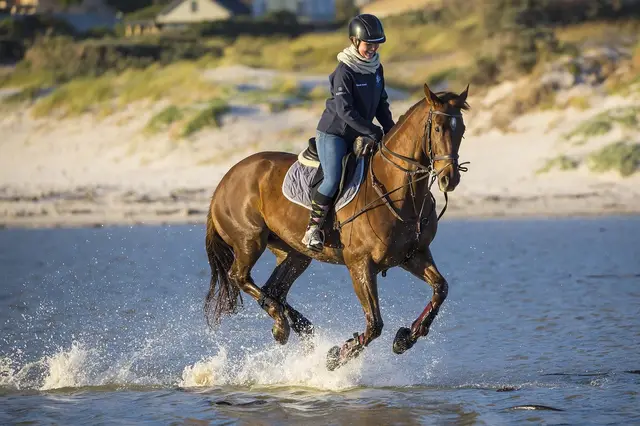
Full-time trekking and riding centre
Run a yard with a larger string of horses for treks, lessons and holiday rides, open most days of the week.
- £40k-150k
- Full-time
- Own premises

Neighbourhood gym with memberships
Open a small local gym in a rented unit, with monthly memberships and a few classes.
- £40k-150k
- Full-time
- Own premises

Gymnastics centre in your own unit
Fit out a rented unit as a gymnastics centre with a team of coaches, running classes for all ages every week.
- £30k-150k
- Full-time
- Own premises