Holiday house for weekly and short stays
Furnish a house you own or control and let it to holidaymakers by the night or week.
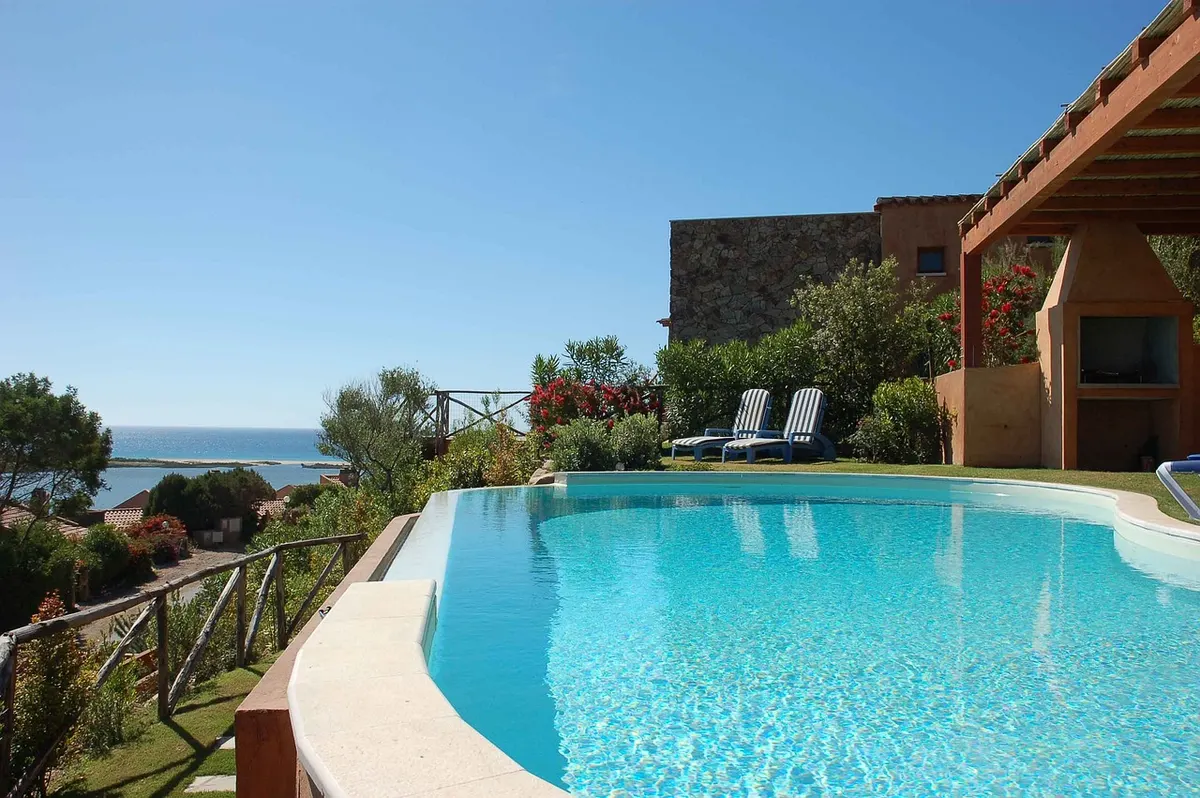
- £5k-25k
- Side hustle
- Own premises
- Licence or permit needed
Estimates for a small start in the UK, not guarantees.
Official data
15,500 UK companies in this field, 34% registered in the last 2 years
SIC 55209 “Other holiday and other collective accommodation”. Source: Companies House, November 2026.
What it is
A whole house, cottage or villa set up as a self-catering holiday let, with you handling bookings, check-ins, cleaning and guest questions.
Your first three steps
- Check your lease, mortgage and local council rules on holiday lets, including planning and any licence or registration scheme
- Price up furnishing, safety checks and insurance, then compare nightly rates of similar houses nearby
- Take good photos, write a clear listing and publish it on one or two booking platforms and your own simple page
Who pays
Families, couples and groups of friends on holiday, plus some visiting workers and people attending local events.
How it makes money
Nightly or weekly rates, higher in school holidays and summer, often with a cleaning fee. Income depends heavily on location and season.
Skills that help
- Good with guests and quick to reply
- Organised with bookings and cleaning changeovers
- Basic DIY or a reliable local handyman
Watch out for
- Planning permission or change of use may be needed in some areas, check with your council
- Scotland requires a short-term let licence, and Wales and England have been introducing registration schemes, check what applies to you
- You may need a holiday let mortgage and specialist insurance, as standard home or buy-to-let cover may not apply
- Gas, electrical and fire safety duties, plus an EPC, need checking before you take guests
- Tax and business rates versus council tax can differ for holiday lets, and the tax rules have changed recently, so check with HMRC or an accountant
- Income is seasonal and empty weeks still cost money, so keep a cash buffer
- Platform fees and cleaning costs reduce what you keep from each booking
Deep research report · UK
Everything you need to start: holiday house for weekly and short stays
Researched with live web search for United Kingdom: real startup prices, the licences and rules, what others charge, a break-even example, how to find your first customers and a 30-day launch plan. With sources.
- Startup costs with real prices
- Licences, registration and rules
- Pricing: what others charge
- Break-even example
- Finding your first customers
- 30-day launch plan
- Risks and how to reduce them
Questions people ask
How much does it cost to start a holiday let?
Startup costs are typically around £5,000 to £25,000, depending on the property and how it is furnished and set up. These are estimates. Platform fees and cleaning costs also reduce what you keep from each booking.
Do I need a licence or permission to run a holiday let?
Check whether planning permission or change of use is needed with your council. Scotland requires a short-term let licence, and Wales and England have been introducing registration schemes. Also check mortgage and insurance cover, gas, electrical and fire safety duties, and an EPC.
How much can a holiday let bring in?
Monthly revenue is typically around £1,000 to £5,000, depending on location, season and bookings. Income is seasonal and empty weeks still cost money, so keep a cash buffer.
Other ways to run this business

Similar hospitality ideas
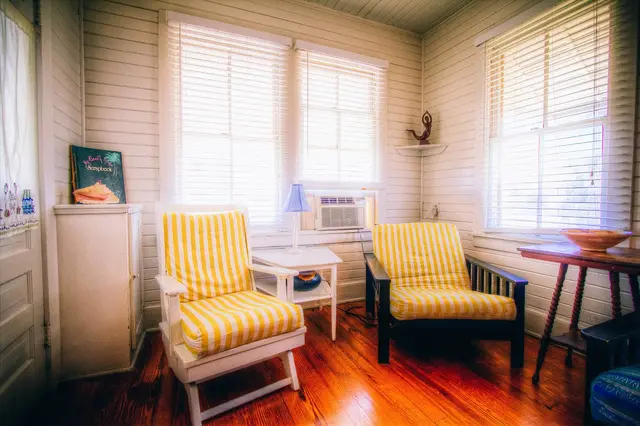
Whole-property non-smoking holiday cottage
Run a cottage, flat or house as a self-catering holiday let with a no-smoking rule, rented by the stay.
- £5k-25k
- Side hustle
- Own premises

Party and meeting room hire
Lease a small unit or hall and rent it by the hour for parties, classes and meetings.
- £5k-25k
- Part-time
- Own premises
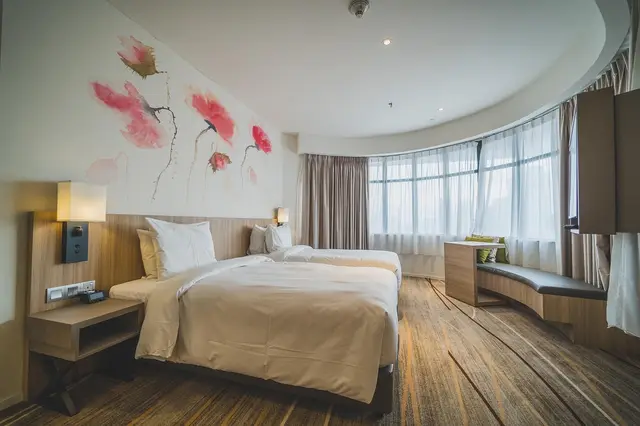
Small bed and breakfast
Run a few guest rooms with a cooked breakfast, as a full-time home-and-business life.
- £5k-25k
- Full-time
- Own premises

Mobile bar for weddings and events
Serve drinks from a converted trailer, horsebox or portable bar at weddings, parties and local events.
- £5k-25k
- Side hustle
- Out and about

Run the food side of a pub
Agree a deal with a pub owner to run their kitchen and build a food reputation without taking on the whole pub.
- £5k-25k
- Part-time
- Own premises

Seasonal pop-up beer garden
Run a summer beer garden on borrowed or rented outdoor land, with local beer, simple food and picnic benches.
- £5k-25k
- Part-time
- Own premises
Photo: jamicc on Pixabay