Van-based house clearance
Clear homes after bereavements, moves and tenancies using your own van and a licensed waste route.
- £3k-12k
- Part-time
- Out and about
- Licence or permit needed
Estimates for a small start in the UK, not guarantees.
Official data
19,316 UK companies in this field, 45% registered in the last 2 years
SIC 81299 “Other cleaning services”. Source: Companies House, November 2026.
What it is
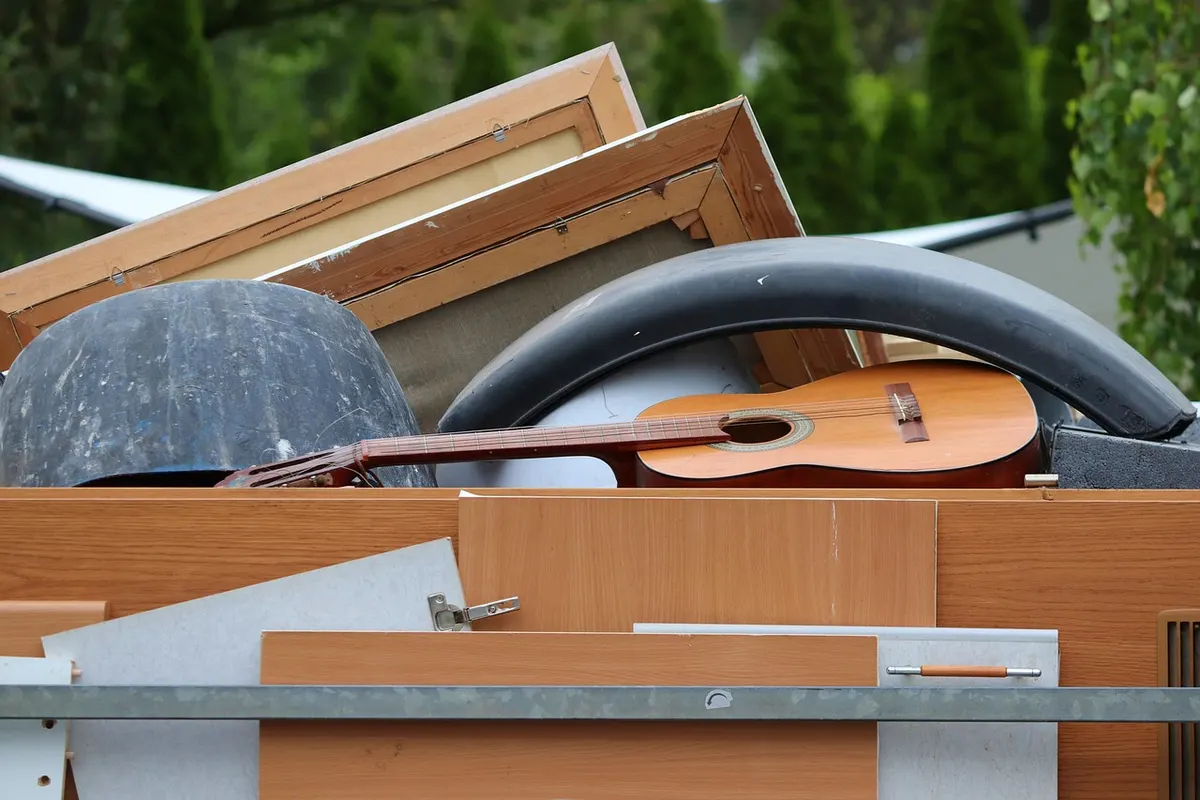
Emptying rooms, lofts, garages and whole properties, then sorting items for reuse, resale, recycling or proper disposal. You start with a van and do the work yourself, perhaps with a helper on bigger jobs.
Your first three steps
- Register as a sole trader and get public liability and goods in transit insurance
- Apply for an upper tier waste carrier registration and find your local tip, recycling and transfer station options
- Contact local estate agents, letting agents and probate solicitors, and set up a simple Google Business profile
Who pays
Families dealing with a bereavement, landlords, letting agents, estate agents, probate solicitors and people downsizing or moving.
How it makes money
Fixed quote per job based on volume and effort, plus any money from selling items of value such as furniture, antiques or scrap metal.
Skills that help
- Physical fitness and safe lifting
- Sensitive and respectful with grieving clients
- Accurate quoting
- Spotting items worth selling
Watch out for
- Waste carrier registration is normally needed to carry waste in the UK, check requirements with the Environment Agency (or SEPA, NRW, NIEA)
- Fly-tipping fines and responsibility for where waste ends up, keep transfer notes and receipts
- Public liability and goods in transit insurance
- Tip charges and trade waste rules can eat into margins, check local sites
- Hazardous items such as asbestos, chemicals or gas bottles need specialist handling
- Heavy lifting risk, plan for help and use safe handling methods
Deep research report · UK
Everything you need to start: van-based house clearance
Researched with live web search for United Kingdom: real startup prices, the licences and rules, what others charge, a break-even example, how to find your first customers and a 30-day launch plan. With sources.
- Startup costs with real prices
- Licences, registration and rules
- Pricing: what others charge
- Break-even example
- Finding your first customers
- 30-day launch plan
- Risks and how to reduce them
Questions people ask
How much does it cost to start a house clearance business?
Startup costs are typically around £3,000 to £12,000, depending on your van and equipment. Tip charges and trade waste rules can eat into margins, so check local sites before you price jobs.
Do I need a licence for house clearance in the UK?
Waste carrier registration is normally needed to carry waste, so check requirements with the Environment Agency (or SEPA, NRW, NIEA). Also check your fly-tipping responsibilities, keep transfer notes and receipts, and check you have public liability and goods in transit insurance.
How much can a house clearance business earn?
Monthly revenue is typically around £1,500 to £6,000 as an estimate, depending on how many jobs you take and how big they are. It can start at around 15 hours a week, and tip charges can reduce what you keep.
Other ways to run this business
Similar cleaning ideas
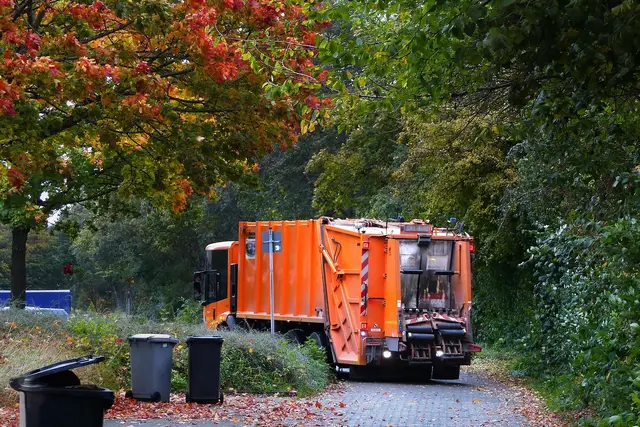
Man and van waste removal
Clear unwanted rubbish from homes and small jobs with a van, and take it to be disposed of legally.
- £3k-12k
- Side hustle
- Out and about
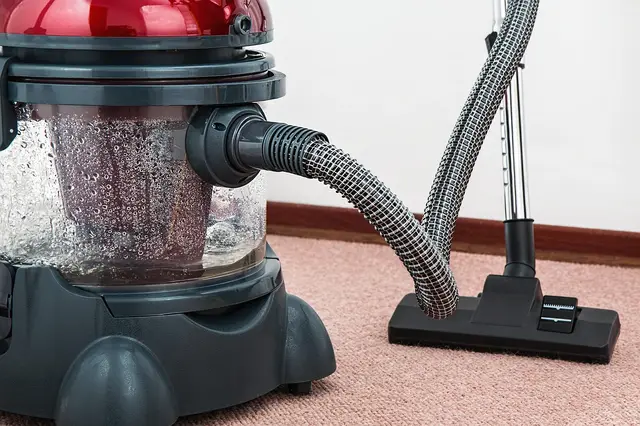
Office and property carpet cleaning contracts
Win regular carpet cleaning work from offices, agents and property managers, often outside normal hours.
- £3k-12k
- Part-time
- Out and about
Central vacuum system installer
Supply and fit built-in vacuum systems in new builds, renovations and existing homes.
- £2k-10k
- Part-time
- Out and about
Bike wash and care workshop
Run a small unit or garage where cyclists drop off bikes for cleaning, servicing and storage-ready prep.
- £2k-10k
- Part-time
- Own premises
Mobile blast cleaning service
Travel to homes, farms and small firms to strip paint, rust and grime from surfaces with blasting kit.
- £4k-15k
- Part-time
- Out and about
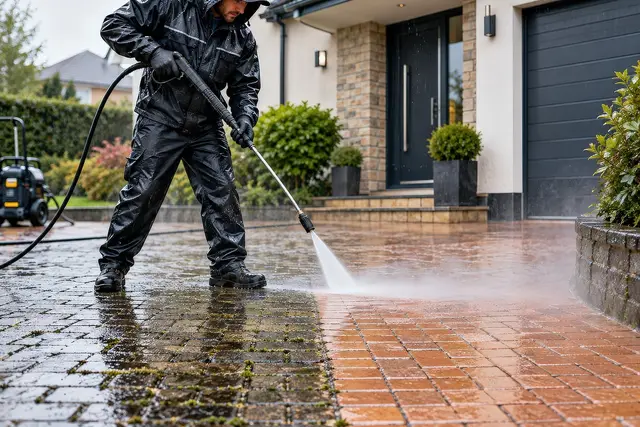
Commercial and fleet pressure washing
Win regular contracts to wash shopfronts, forecourts, bin areas and work vehicles.
- £3k-15k
- Part-time
- Out and about
Photo: manfredrichter on Pixabay