Import and export shipping helper for small firms
Handle international bookings and customs paperwork for small businesses that import or export goods.
- £1.5k-6k
- Part-time
- Online
Estimates for a small start in the UK, not guarantees.
Official data
22,280 UK companies in this field, 43% registered in the last 2 years
SIC 52290 “Other transportation support activities”. Source: Companies House, November 2026.
What it is
You arrange sea, air or road freight for small importers and exporters. That means booking carriers, preparing shipping documents and coordinating customs clearance, often through a customs broker partner.
Your first three steps
- Take a short course in import and export procedures or shipping documents, and learn the basics of commodity codes and Incoterms
- Build relationships with a customs broker and a couple of freight carriers or consolidators you can book through
- Choose a niche, such as small online importers, and offer a fixed-fee quote for their next shipment
Who pays
Online sellers importing stock, small manufacturers exporting to the EU or beyond, and specialist retailers buying from overseas suppliers.
How it makes money
You charge a handling fee or a margin on freight, plus fees for documents and customs coordination.
Skills that help
- Understanding of shipping terms and documents
- Attention to detail with paperwork
- Clear communication with overseas suppliers
- Problem solving when shipments are delayed
Watch out for
- Check HMRC rules on acting for others in customs declarations, including any authorisations or registrations you need
- You and your customers will probably need an EORI number, so check requirements for each trade route
- Check insurance for goods in transit and professional indemnity, and make sure customers know what is covered
- Mistakes on paperwork can mean delays, extra duty or fines, so use a qualified customs partner until you are confident
- Check sanctions, export controls and restricted goods rules before shipping anything unusual
- Watch cash flow, as freight charges and duty often fall due before your customer pays you
Deep research report · UK
Everything you need to start: import and export shipping helper for small firms
Researched with live web search for United Kingdom: real startup prices, the licences and rules, what others charge, a break-even example, how to find your first customers and a 30-day launch plan. With sources.
- Startup costs with real prices
- Licences, registration and rules
- Pricing: what others charge
- Break-even example
- Finding your first customers
- 30-day launch plan
- Risks and how to reduce them
Questions people ask
How much does it cost to start an import and export shipping service?
Startup costs are typically estimated at around £1,500 to £6,000, depending on your software, insurance, any customs partner arrangements and how you set up your business. Allow some working capital because freight charges often fall due early.
How much can an import and export forwarding business earn?
Monthly revenue is typically estimated at around £800 to £4,000, depending on how many small firms you work for and the size of their shipments. Most people start at about 15 hours a week. These are estimates, not promises.
What rules should I check before arranging customs clearance?
Check HMRC rules on acting for others in customs declarations, including any authorisations you need, and EORI number requirements for each trade route. Also check goods in transit and professional indemnity insurance, and sanctions, export controls and restricted goods rules.
Other ways to run this business
Similar transport ideas
Small trailer hire fleet from home
Buy a few trailers and hire them by the day or week to locals who need to move rubbish, furniture or garden waste.
- £1.5k-6k
- Side hustle
- From home
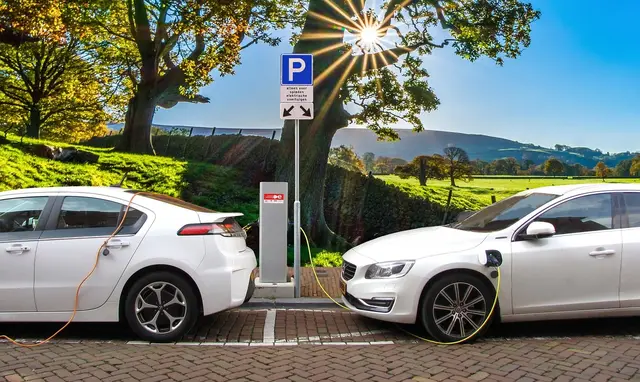
One or two EV chargers at your existing site
Add a couple of pay-to-use chargers to a pub, B&B, shop or farm car park you already run.
- £1.5k-6k
- Side hustle
- Own premises

Private hire driver with your own car
Drive pre-booked passengers in your own licensed car, taking jobs from apps, local firms and regular clients.
- £1k-6k
- Side hustle
- Out and about
Freelance motorcycle instructor
Qualify as an instructor and teach new riders on a self-employed basis, working with an established training school.
- £1.5k-6k
- Side hustle
- Out and about
Online boat accessories shop
Sell fittings, ropes, fenders and boat gear online to owners of small boats and canal craft.
- £500-5k
- Side hustle
- Online
Weekend fishing charter skipper
Skipper fishing trips at weekends on a shared or borrowed boat, with a lower start-up cost than owning one.
- £1.5k-7k
- Side hustle
- Out and about