Instrument hire for schools and bands
Supply class sets and larger instruments to schools, music groups and bands from a small unit with a delivery service.
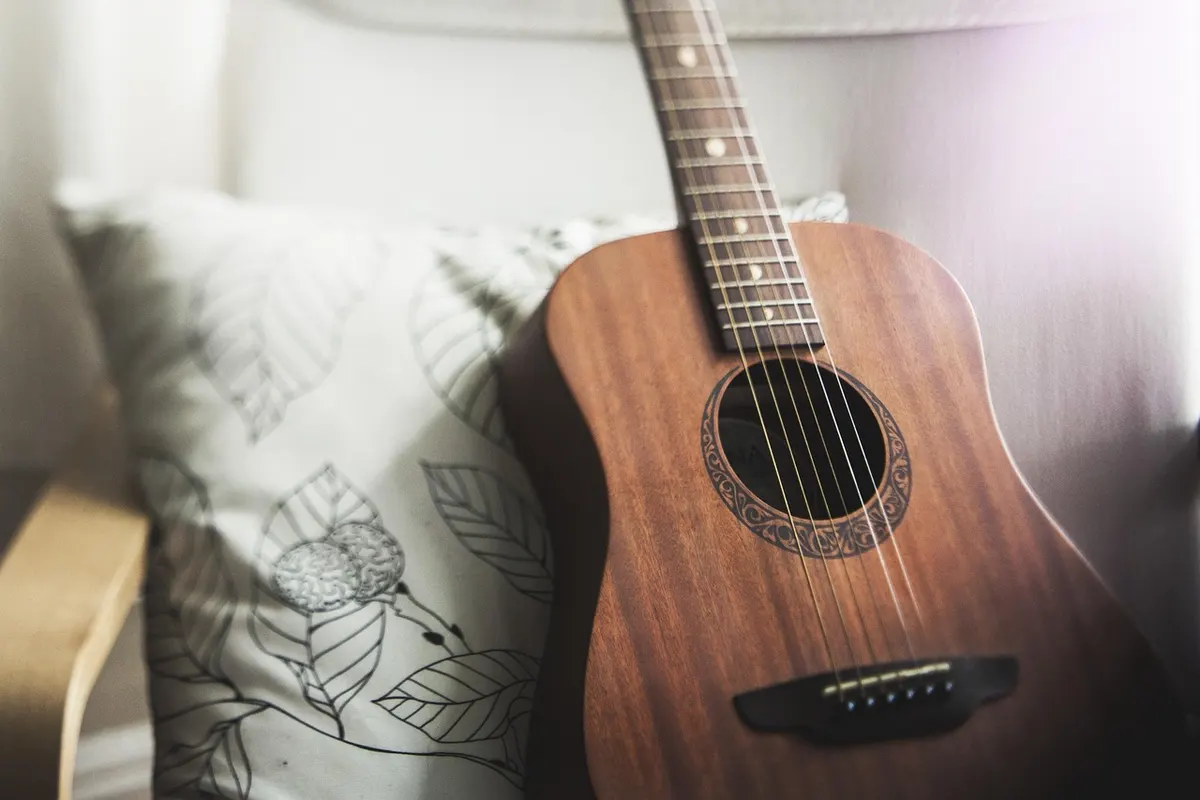
- £8k-35k
- Part-time
- Own premises
Estimates for a small start in the UK, not guarantees.
Official data
1,108 UK companies in this field, 41% registered in the last 2 years
SIC 77299 “Renting and leasing of other personal and household goods”. Source: Companies House, November 2026.
What it is
A larger stock of instruments, including brass, woodwind, strings, keyboards and some backline gear, stored in a small unit and hired to schools, community groups and working musicians.
Your first three steps
- Contact local school music departments and music services to find out what they need and how they buy or hire
- Find a small, dry, secure unit or storage space and price up a first stock of instruments, including second-hand ones
- Set up a simple stock and booking system, such as a spreadsheet or hire software, and draft your terms and prices
Who pays
Primary and secondary schools, music services, youth orchestras, community bands, and gigging or touring musicians.
How it makes money
Monthly or termly hire fees per instrument, with short-term hire for events and tours, plus optional delivery, tuning and repair charges.
Skills that help
- Knowledge of a wide range of instruments
- Basic repair and set-up skills
- Invoicing and managing school accounts
- Organising stock and deliveries
Watch out for
- Insurance for stock and premises, plus public liability, and employer's liability if you hire staff
- Schools and councils may have procurement or approved supplier processes, so check how to get listed
- Stock is a big upfront cost, so start with the most requested instruments
- Check business rates, lease terms and planning use for any unit
- Check whether you need to register for VAT as turnover grows
Deep research report · UK
Everything you need to start: instrument hire for schools and bands
Researched with live web search for United Kingdom: real startup prices, the licences and rules, what others charge, a break-even example, how to find your first customers and a 30-day launch plan. With sources.
- Startup costs with real prices
- Licences, registration and rules
- Pricing: what others charge
- Break-even example
- Finding your first customers
- 30-day launch plan
- Risks and how to reduce them
Questions people ask
How much does it cost to start an instrument hire business?
Startup costs are typically around £8,000 to £35,000, depending on how much stock you buy and the unit you use. Stock is a big upfront cost, so start with the most requested instruments.
How much revenue can instrument hire bring in?
Monthly revenue is typically estimated at around £1,500 to £7,000, depending on stock size, the number of school and band customers, and how often items are hired out.
What should I check before starting an instrument hire business?
Check insurance for stock and premises, plus public liability, and employer's liability if you hire staff. Schools and councils may have approved supplier processes, so check how to get listed. Also check business rates, lease terms, planning use and VAT registration.
Other ways to run this business
Similar creative ideas

Vehicle and shopfront graphics studio
Print, cut and fit decals for vans, cars and shop windows from a small unit.
- £8k-35k
- Full-time
- Own premises

Painting studio with classes and rentable desks
Rent a small unit and earn from classes, workshops and artists renting studio space.
- £8k-35k
- Part-time
- Own premises

Pottery studio with wheels and weekly classes
Rent a small unit, teach wheel throwing and hand-building, and add parties and workshops.
- £8k-35k
- Full-time
- Own premises

Sign and vehicle graphics workshop
Run a small unit making signs, banners and van graphics for local businesses, with a wide-format printer.
- £8k-40k
- Full-time
- Own premises

Small independent art gallery
Open a small shop-front gallery showing and selling local artists, with a rolling programme of exhibitions.
- £8k-40k
- Full-time
- Own premises

Model design studio in a small unit
Run a rented workshop making larger display and retail models for developers, brands and exhibitions.
- £6k-30k
- Full-time
- Own premises
Photo: karishea on Pixabay