Start a juice and smoothie bar
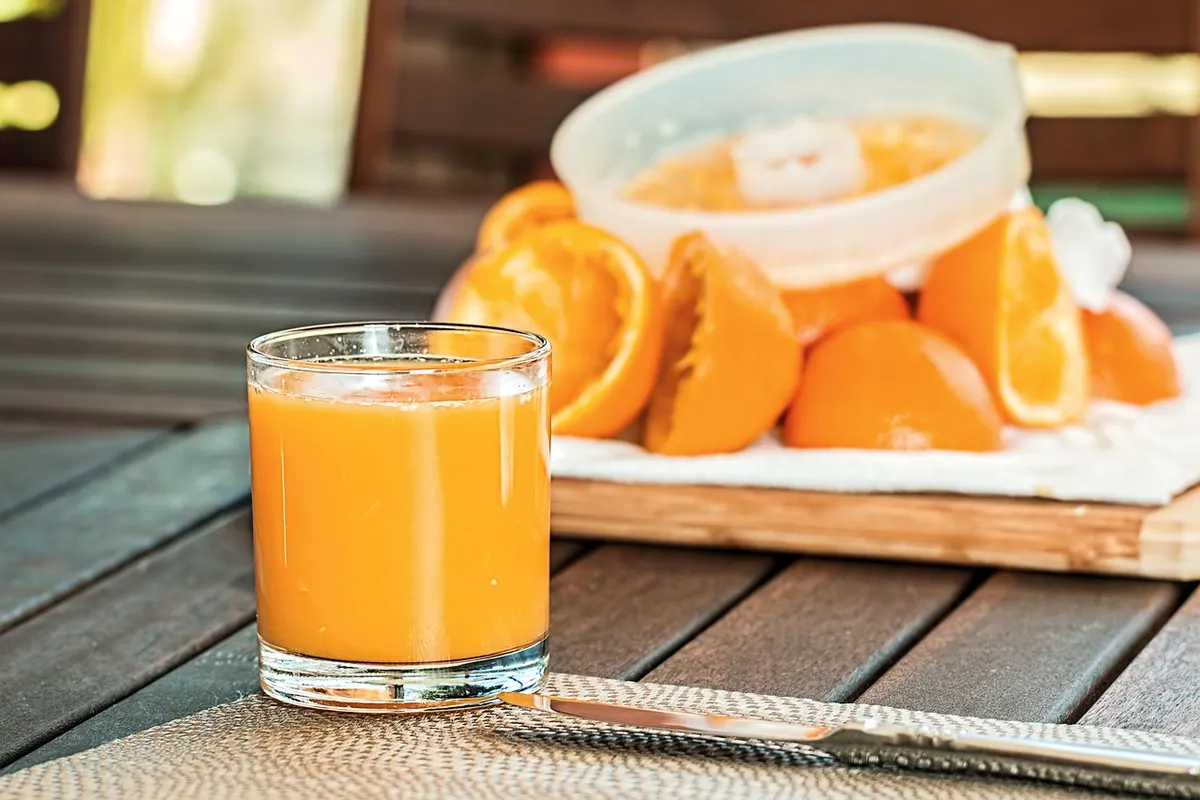
Run a small shop serving fresh juices and smoothies made to order for locals, workers and gym-goers.
- £15k-60k
- Full-time
- Own premises
- Licence or permit needed
Estimates for a small start in the UK, not guarantees.
What it is
A compact counter-service shop making fresh juices, smoothies and sometimes shots, bowls or snacks while customers wait or take away.
Your first three steps
- Visit busy streets, stations and gyms to count footfall and see what rivals charge
- Cost a simple menu of 8 to 12 drinks and work out your price and margin per cup
- Take a food hygiene course and ask the council about food business registration and lease terms for a small unit
Who pays
Office workers, students, gym-goers, shoppers and health-conscious locals passing by.
How it makes money
Price per cup, with extras such as boosts and add-ins, plus meal deals or loyalty offers. Fruit and vegetable costs, rent and wages need to fit within your prices.
Skills that help
- Food hygiene and safe preparation
- Customer service
- Stock ordering and cost control
- Keeping a shop clean and organised
Watch out for
- Register as a food business with your local council, usually at least 28 days before opening (check with your council)
- Food hygiene and allergen rules apply, and you need a food safety plan based on HACCP principles
- Check the lease, business rates and whether the unit has permitted use for food sales
- Public liability insurance, and employer's liability insurance once you hire staff
- Fresh produce spoils quickly, so waste can eat into profit
- Sales are often seasonal and weather dependent, so plan for quieter months
🔒 Full research report for UK
Real cost breakdown with current prices, licences and registration checklist, local competition, pricing, break-even and a 30-day launch plan, with sources.
Coming soonQuestions people ask
How much does it cost to start a juice bar?
Startup costs are typically around £15,000 to £60,000, depending on the premises, fit-out, equipment and opening stock. These are estimates, so get quotes for rent, juicers, fridges and signage before you commit.
What rules apply to opening a juice and smoothie bar?
Check that you register as a food business with your council, usually at least 28 days before opening. Also check food hygiene and allergen rules, the need for a HACCP-based food safety plan, lease terms, business rates and permitted use.
How much revenue can a juice bar bring in?
Monthly revenue is typically around £5,000 to £20,000, depending on location and footfall. That is revenue, not profit, and waste from fresh produce and quieter seasonal months can affect results. Expect at least 40 hours a week.
Other ways to run this business
Similar food ideas
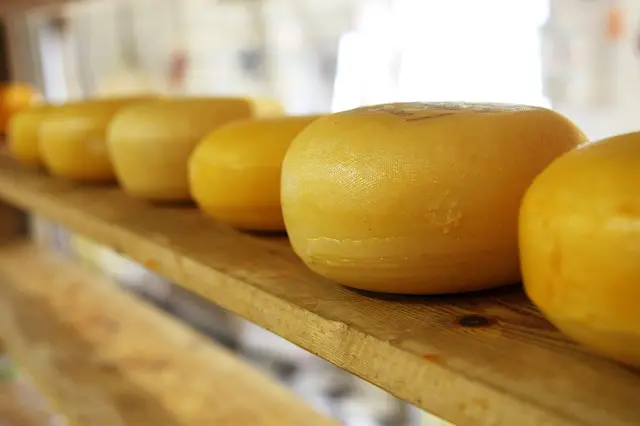
Small-batch cheese and yoghurt maker
Buy in local milk and make cheese, yoghurt or butter in a small rented unit for delis and markets.
- £15k-60k
- Part-time
- Own premises

Local frozen food shop
Open a small high street shop selling frozen meals, ingredients and desserts to local households.
- £15k-60k
- Full-time
- Own premises

Russian and Eastern European grocery shop
Open a small shop selling Russian and Eastern European foods, drinks and treats to local shoppers.
- £15k-60k
- Full-time
- Own premises

Niche wine importer using a bonded warehouse
Bring in wines from a region you know well and sell them to independent restaurants, bars and shops.
- £15k-60k
- Part-time
- From home
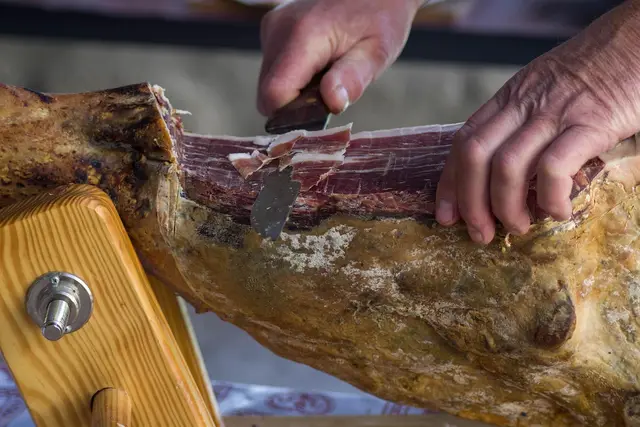
Cured ham and charcuterie shop
Run a small high street shop selling whole and sliced cured hams, salamis and matching extras to local food lovers.
- £15k-60k
- Full-time
- Own premises
Tortilla bakery with wholesale and shop counter
Run a small unit making tortillas daily for restaurants and cafés, with a counter for local customers.
- £15k-60k
- Full-time
- Own premises
Photo: stevepb on Pixabay