Self-service launderette
Run a coin or card operated launderette for people without a washing machine at home.

- £30k-150k
- Part-time
- Own premises
Estimates for a small start in the UK, not guarantees.
Official data
4,463 UK companies in this field, 30% registered in the last 2 years
SIC 96010 “Washing and (dry-)cleaning of textile and fur products”. Source: Companies House, November 2026.
What it is
A small shop with commercial washers and dryers that customers use themselves. You can buy an existing launderette or fit out a new unit. Many owners add a few extras such as detergent vending or a small service wash.
Your first three steps
- Look at launderettes for sale and at empty units in busy residential areas, and note the local competition and student or rental housing nearby
- Get quotes for second-hand or new commercial machines, and ask an accountant to check the running costs for energy, water and rent
- Speak to the local council about planning use, business rates and drainage, then arrange insurance before you sign a lease or purchase
Who pays
Students, renters in flats, people on low incomes, and households washing bulky items such as duvets and curtains.
How it makes money
Customers pay per wash and per dry cycle, by coin, token or card. Extra income can come from vending detergent and from a service wash counter.
Skills that help
- Basic machine maintenance
- Reliable opening hours and routines
- Managing costs such as energy, water and rent
- Friendly customer service
Watch out for
- Energy and water bills can be high, so check the real running costs before committing
- Check the lease terms, business rates and whether the unit has the right planning use class
- Gas dryers need installation and servicing by a Gas Safe registered engineer, so check this
- Fire safety risk assessment and electrical safety checks
- Public liability insurance, plus cover for theft, vandalism and machine breakdown
- If you use CCTV, check your data protection duties, including whether you need to register with the ICO
- Machine downtime means lost income, so budget for repairs
Deep research report · UK
Everything you need to start: self-service launderette
Researched with live web search for United Kingdom: real startup prices, the licences and rules, what others charge, a break-even example, how to find your first customers and a 30-day launch plan. With sources.
- Startup costs with real prices
- Licences, registration and rules
- Pricing: what others charge
- Break-even example
- Finding your first customers
- 30-day launch plan
- Risks and how to reduce them
Questions people ask
How much does it cost to start a self-service launderette in the UK?
Startup costs are typically around £30,000 to £150,000, depending on whether you buy an existing launderette or fit out a new unit, and on the number and type of machines. Check real energy and water running costs before committing.
How much revenue can a self-service launderette make?
Monthly revenue is typically around £4,000 to £15,000, depending on location, machine numbers and extras such as detergent vending or a small service wash. Hours are typically at least 15 a week. Budget for repairs, as machine downtime means lost income.
What rules and safety checks apply to running a launderette?
Check the lease, business rates and planning use class. Gas dryers need installation and servicing by a Gas Safe registered engineer. Also check fire safety risk assessment, electrical safety, insurance, and data protection duties, including whether you need to register with the ICO if you use CCTV.
Other ways to run this business
Similar cleaning ideas
Local dry cleaning shop
Run a neighbourhood shop that cleans and presses suits, dresses, coats and curtains.
- £25k-100k
- Full-time
- Own premises
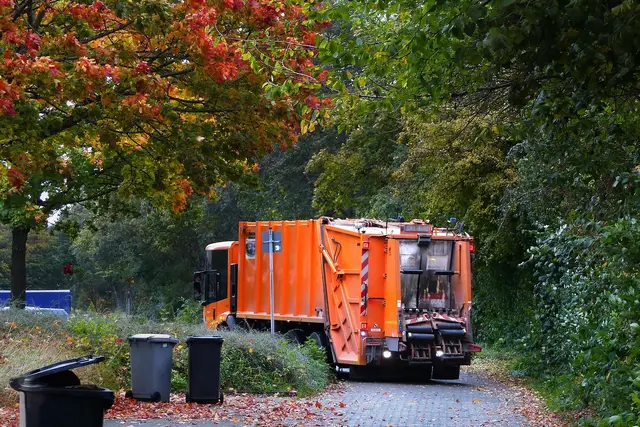
Local skip hire and collection
Supply skips to builders and households, then collect and dispose of the waste.
- £25k-100k
- Full-time
- Out and about
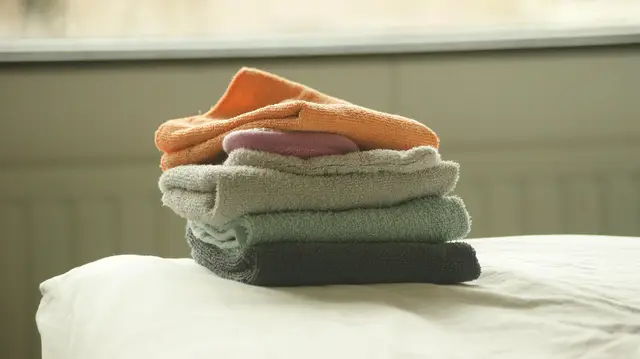
Linen laundry for local businesses
Wash and return towels and bedding for holiday lets, B&Bs, salons and gyms from a small unit.
- £30k-90k
- Full-time
- Own premises
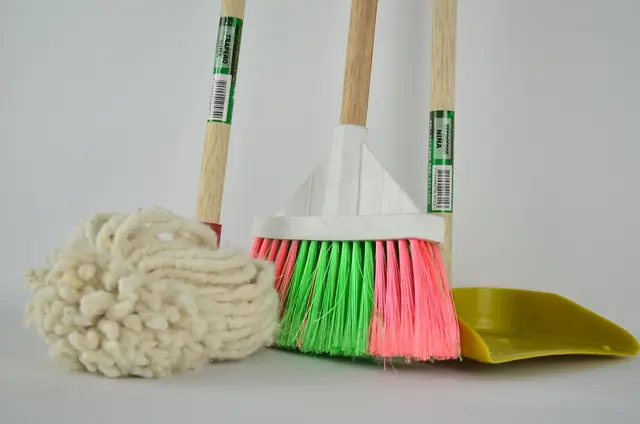
Local janitorial supplies with delivery
Stock and deliver cleaning equipment to local firms, schools and building managers, with a small unit and a van.
- £8k-40k
- Full-time
- Own premises
Nappy laundry service from a small unit
Run a subscription nappy wash and delivery service across several towns from a small rented unit.
- £15k-40k
- Full-time
- Own premises
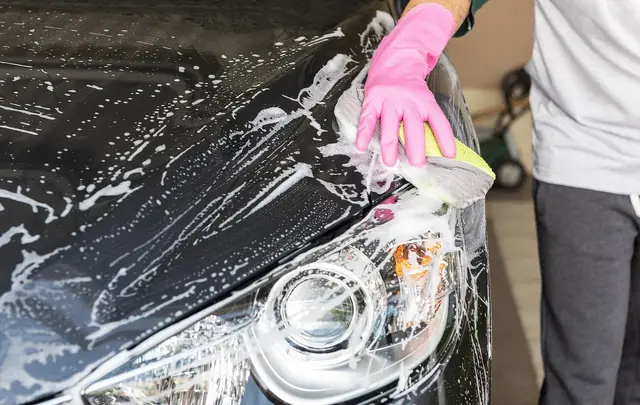
Hand car wash on a rented site
Run a hand car wash and valet bay on a small rented site, with walk-in and regular customers.
- £5k-25k
- Full-time
- Own premises
Photo: Pexels on Pixabay