Home-Based small group tutoring hub
Teach small groups of pupils in a spare room after school, starting with a subject you know well.

- £200-1k
- Side hustle
- From home
Estimates for a small start in the UK, not guarantees.
Official data
41,442 UK companies in this field, 34% registered in the last 2 years
SIC 85600 “Educational support services”. Source: Companies House, November 2026.
What it is
A small tutoring set-up run from a spare room or dining room, with groups of two to five pupils getting help in subjects like maths, English or exam skills.
Your first three steps
- Choose your subjects and year groups, then check local tutors' prices and the exam syllabuses you will teach
- Get an enhanced DBS check, public liability insurance and set up a safe, quiet teaching space
- Offer a trial session to families through local school gates, community groups and Facebook groups and ask for reviews
Who pays
Parents and carers of primary and secondary pupils, often paying monthly.
How it makes money
A fee per pupil per session or a monthly fee, usually charged for after-school and weekend slots. Group sessions earn more per hour than one-to-one.
Skills that help
- Strong subject knowledge
- Patient and clear explaining
- Organising timetables and parents
Watch out for
- Enhanced DBS check, which parents will expect when you work with children
- Check whether your landlord, mortgage lender or council permits visiting pupils at your home
- Public liability insurance, and safeguarding policies for children in your home
- Check your local council for any requirements, for example if you plan to teach beyond a small number of hours per week
- Demand is often busiest after school and before exams, so income can vary through the year
Deep research report · UK
Everything you need to start: home-based tutoring for small groups
Researched with live web search for United Kingdom: real startup prices, the licences and rules, what others charge, a break-even example, how to find your first customers and a 30-day launch plan. With sources.
- Startup costs with real prices
- Licences, registration and rules
- Pricing: what others charge
- Break-even example
- Finding your first customers
- 30-day launch plan
- Risks and how to reduce them
Questions people ask
How much does it cost to start a home tutoring hub in the UK?
Startup costs are typically around £200 to £1,000, depending on your subjects, teaching materials and how you set up the room. These are estimates, so list what you need and get insurance quotes before you begin.
How much can a home tutoring hub earn?
Monthly revenue is typically around £400 to £2,000, depending on how many groups you run and what you charge. Demand is often busiest after school and before exams, so income can vary through the year. Treat these figures as estimates.
What do I need to check before tutoring children at home?
Check for an enhanced DBS check, which parents will expect, and whether your landlord, mortgage lender or council permits visiting pupils at home. Also look at public liability insurance, safeguarding policies, and any council requirements if you teach more than a few hours weekly.
Other ways to run this business

Local tutoring centre with its own premises
Rent a small unit and run timetabled tutoring and study support for local pupils, with a few tutors.
- £15k-60k
- Full-time
- Own premises

Online tutoring and study support
Run live online lessons and study support for pupils from home, one-to-one or in small groups.
- £100-800
- Side hustle
- Online
Similar teaching and tutoring ideas
Online short course provider
Teach live online workshops and short courses in a skill that people and employers pay to learn.
- £200-1k
- Side hustle
- Online

Online evening classes
Teach live weekday-evening courses over video to adult learners, with no venue to hire.
- £100-1k
- Side hustle
- Online

Online courses for adult learners
Teach live small-group courses over video in a skill or hobby, with no venue to hire.
- £200-1k
- Side hustle
- Online
Online posing and portfolio coaching
Teach posing, presentation and portfolio basics by video call and recorded lessons, with feedback on students' photos.
- £200-1k
- Side hustle
- Online
Online Chinese classes for small groups
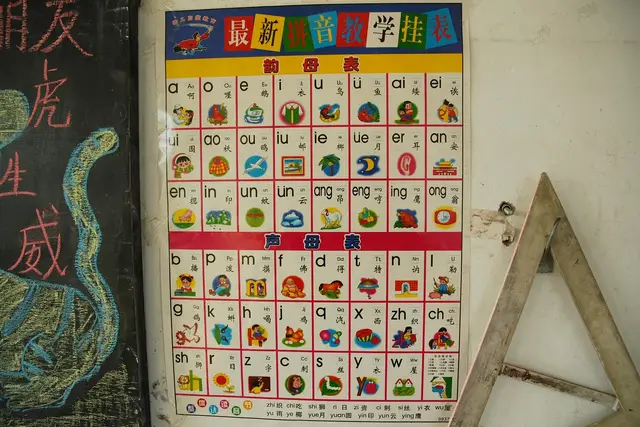
Teach live Chinese lessons by video to small groups of children and adults, from your own home.
- £100-1k
- Side hustle
- Online
Online tuition classes
Run live group classes over video for learners anywhere in the UK, with no premises to rent.
- £100-1k
- Side hustle
- Online
Photo: StockSnap on Pixabay