Small-scale machining from a garage workshop
Turn and mill small parts and repairs in your own garage or outbuilding alongside another job.
- £3k-12k
- Side hustle
- From home
Estimates for a small start in the UK, not guarantees.
Official data
3,013 UK companies in this field, 11% registered in the last 2 years
SIC 25620 “Machining”. Source: Companies House, November 2026.
What it is
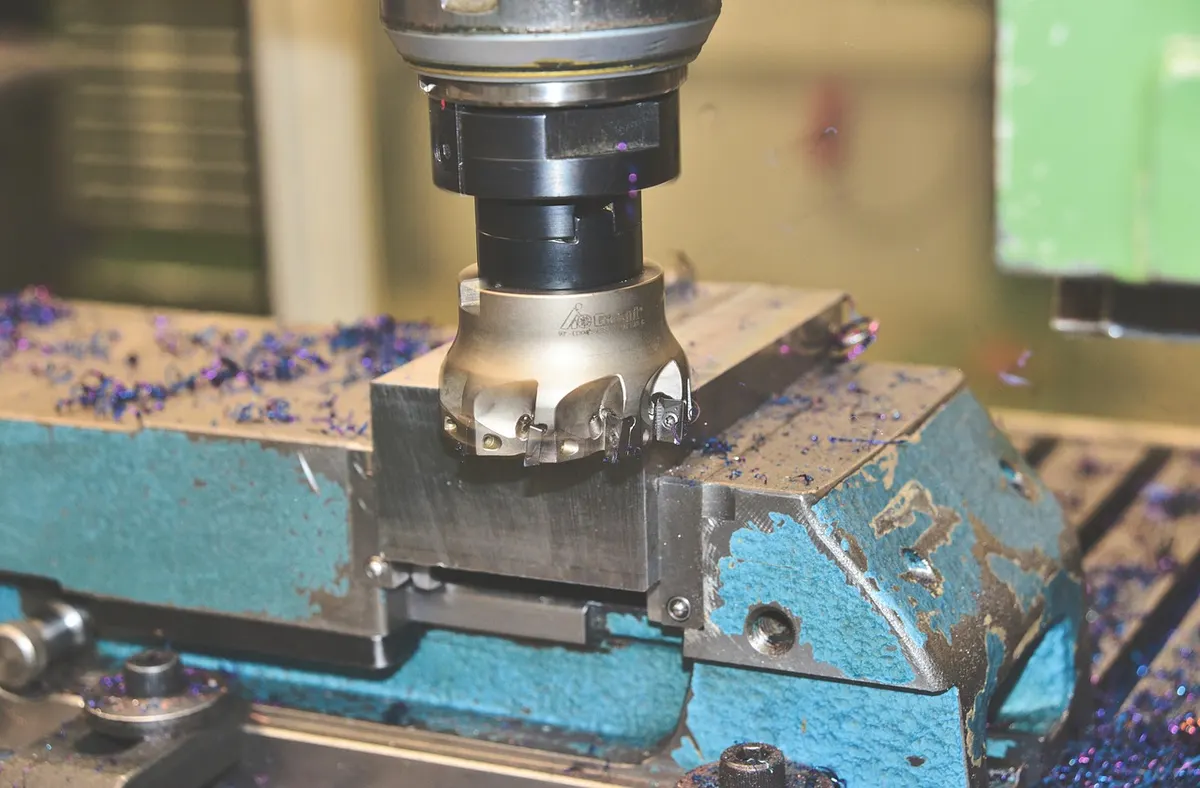
A compact workshop with a bench lathe and mill, making small bespoke parts, bushes, spacers and repairs for hobbyists, restorers and local trades.
Your first three steps
- Check your lease, mortgage or home insurance, and speak to neighbours and the council about noise before you start
- Set up a safe workshop with decent lighting, extraction and a fire extinguisher, and buy tooling for common jobs
- Advertise in classic vehicle clubs, model engineering groups and local online groups, and complete a few jobs at fair prices
Who pays
Classic car and motorbike owners, model engineers, makers, local tradespeople and small firms needing odd parts quickly.
How it makes money
Fixed price per job or hourly rate for machine time plus materials. Work is limited by your hours and the size of your machines.
Skills that help
- Basic to good lathe and mill skills
- Measuring accurately
- Problem solving with worn or broken parts
Watch out for
- Permission from your landlord, mortgage lender or council, and possible noise complaints
- Home insurance often excludes business use, so check and get suitable business cover including public liability
- Fire, swarf and machine safety in a domestic building
- Avoid safety-critical parts such as brakes or lifting equipment unless you are properly qualified and insured
- Keep records for Self Assessment and check whether you need to register as a sole trader with HMRC
🔒 Full research report for UK
Real cost breakdown with current prices, licences and registration checklist, local competition, pricing, break-even and a 30-day launch plan, with sources.
Coming soonQuestions people ask
How much does it cost to start a machining workshop at home?
Estimates suggest startup costs are typically around £3,000 to £12,000, depending on the lathe and mill you buy, tooling, and business insurance. Home insurance often excludes business use, so check cover including public liability.
How much can a garage machining side hustle earn?
As an estimate, monthly revenue is typically around £300 to £1,500, depending on the hours you can spare and the hobbyists, restorers and trades you supply. It is designed to run alongside another job.
What should I check before machining from home?
Check permission from your landlord, mortgage lender or council, and the risk of noise complaints. Consider fire, swarf and machine safety, avoid safety-critical parts unless properly qualified and insured, and check whether you need to register as a sole trader with HMRC.
Other ways to run this business
Similar making and manufacturing ideas
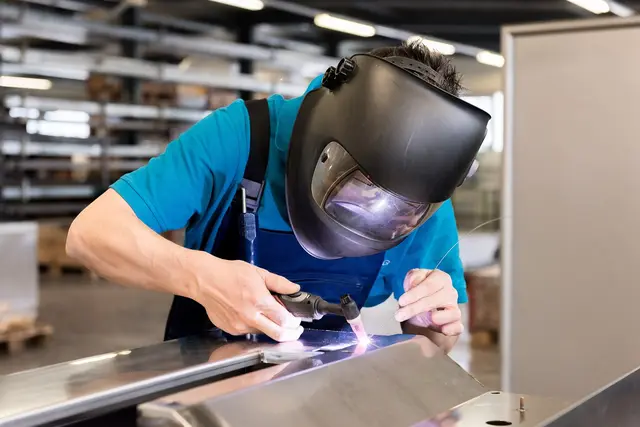
Mobile welding and metal repairs
Take a portable welder to customers and repair gates, railings, trailers and fittings on site.
- £3k-12k
- Side hustle
- Out and about

Metal polishing workshop
Polish and buff wheels, fittings and metal parts for trade and private customers from a small unit.
- £3k-12k
- Part-time
- Own premises

Online laser cutting by upload and quote
Let customers upload designs, get a quote and receive laser-cut parts by post.
- £2.5k-12k
- Side hustle
- Online

Mobile boat repair and fit-out
Travel to boatyards, marinas and driveways to repair hulls, fit out and refit boats for owners.
- £3k-12k
- Side hustle
- Out and about
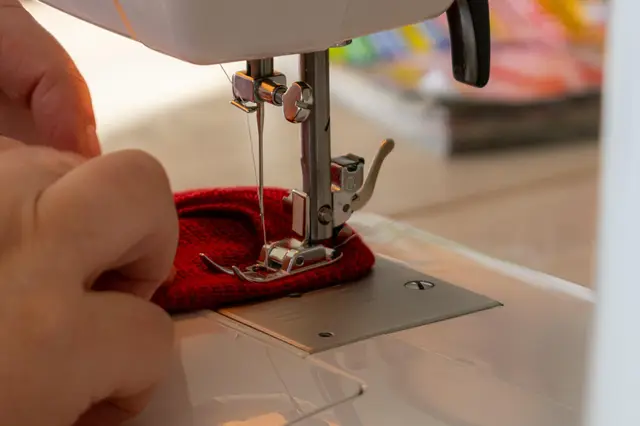
Small-batch sewing for local brands
Sew short runs of garments and soft goods for independent designers and small labels.
- £2.5k-12k
- Part-time
- Own premises

Online mould-making supplies shop
Sell silicone, resins, release agents and mould boxes online to small workshops and product makers.
- £3k-12k
- Side hustle
- Online
Photo: Ralphs_Fotos on Pixabay