Home bench microwave repairer
Repair microwaves at a home workbench, with customers dropping off or posting them, and build up from there.

- £300-1.5k
- Side hustle
- From home
Estimates for a small start in the UK, not guarantees.
Official data
2,228 UK companies in this field, 32% registered in the last 2 years
SIC 95220 “Repair of household appliances and home and garden equipment”. Source: Companies House, November 2026.
What it is
A small workbench set-up where you diagnose and fix faulty microwaves, such as dead units, door switch faults, turntable motors and control boards. Customers bring the microwave to you or send it by courier.
Your first three steps
- Find a short appliance repair or electronics course, and learn the safe handling of high-voltage microwave parts before touching a customer's unit
- Set up a well-lit bench with a multimeter, insulated tools and a microwave leakage tester, and find suppliers for common spare parts
- Set a diagnostic fee and a repair price list, then advertise on local community groups and ask local shops and agents to refer work to you
Who pays
Households that prefer repair to replacement, landlords, small offices, and local appliance sellers or letting agents who need a repairer.
How it makes money
A diagnostic or inspection fee, plus parts and labour for each repair. Some repairers also buy faulty units cheaply, repair them and resell them.
Skills that help
- Basic electrical and electronics fault-finding
- Careful, safety-first working habits
- Clear communication about repair versus replace costs
Watch out for
- Microwaves contain a high-voltage capacitor that can hold a dangerous charge after unplugging, so get proper training and never work unsafe
- Check after every repair that the door seals and casing do not leak microwave energy, using a suitable tester
- Public liability insurance, and ask your insurer about product or repair liability cover
- Many cheap microwaves cost more to repair than replace, so be honest with customers about the cost before you start
- Check how to dispose of old parts and scrap units legally, as waste carrying and electrical waste rules may apply
- Check whether your landlord, mortgage lender or council needs to agree to a business run from home
Deep research report · UK
Everything you need to start: home bench microwave repairer
Researched with live web search for United Kingdom: real startup prices, the licences and rules, what others charge, a break-even example, how to find your first customers and a 30-day launch plan. With sources.
- Startup costs with real prices
- Licences, registration and rules
- Pricing: what others charge
- Break-even example
- Finding your first customers
- 30-day launch plan
- Risks and how to reduce them
Questions people ask
How much does it cost to start a microwave repair business?
Startup costs are typically around £300 to £1,500, depending on the tools, testing equipment and training you need. Insurance and the safe, legal disposal of old parts should also be factored in.
How much can a microwave repairer earn?
Monthly revenue is typically around £300 to £1,500, depending on how many repairs you take on and what you charge. These are estimates of revenue, not profit, and many cheap microwaves cost more to repair than replace.
What safety and rules should I check before repairing microwaves?
Microwaves contain a high-voltage capacitor that can hold a dangerous charge, so get proper training. Check door seals for leaks after every repair, ask your insurer about public liability and repair cover, and check waste disposal rules for old parts and units.
Other ways to run this business
Similar home services ideas

Home workshop appliance repairer
Fix kettles, toasters, vacuums and food mixers on your bench at home for people who would rather repair than replace.
- £300-1.5k
- Side hustle
- From home

Weekend garden tidy-ups and clear-outs
Take on one-off jobs like overgrown clear-ups, hedge cutting and borders around your day job.
- £300-1.5k
- Side hustle
- Out and about

Feng shui home consultant
Advise households on arranging rooms and layouts, in person or by video, for a fee.
- £300-1.5k
- Side hustle
- Out and about
Neighbourhood home help service
Start by helping a few local households yourself, then bring in trusted helpers as demand grows.
- £200-1.5k
- Side hustle
- Out and about
Home-based vacuum cleaner repairs
Fix and service customers' vacuums from a bench at home, with drop-off, post or collection.
- £300-1.5k
- Side hustle
- From home
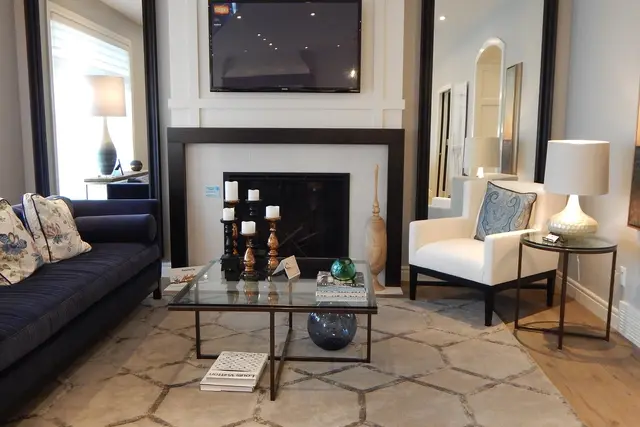
Home staging styling consultant
Advise sellers and agents on decluttering and styling, using their own furniture plus a small kit of accessories.
- £300-1.5k
- Side hustle
- Out and about