Prototype and Short-Run Mould Maker
Make silicone and 3D-printed moulds for small manufacturers and product designers who need a few hundred parts, not thousands.

- £3k-15k
- Side hustle
- From home
Estimates for a small start in the UK, not guarantees.
Official data
937 UK companies in this field, 15% registered in the last 2 years
SIC 25730 “Manufacture of tools”. Source: Companies House, November 2026.
What it is
You design and make low-volume moulds and tooling, such as silicone moulds, resin-cast tools and 3D-printed mould masters. Customers use them to cast or shape plastic, rubber, wax, resin or similar materials in small batches or to test a product before paying for steel tooling.
Your first three steps
- Make three sample moulds of different shapes and photograph them as a simple portfolio
- Set up a ventilated workspace with a resin 3D printer or a good outsourced print supplier, plus silicone and casting materials
- Contact local product designers, makerspaces and small manufacturers and offer a discounted first job
Who pays
Product designers, start-up founders, small manufacturers, model makers and craft brands that need prototypes or short production runs.
How it makes money
A fixed price per mould or tool, often with extra for the design work and for casting small batches of parts. Repeat orders from the same customers are the main driver.
Skills that help
- 3D CAD design
- Patient, precise hand work
- Knowing how materials cast, cure and release
- Clear communication with customers
Watch out for
- Public liability insurance, and product liability cover if you also supply the cast parts
- Safe handling and ventilation for resins, silicones and solvents, so check the safety data sheets (COSHH)
- Check whether your landlord, mortgage lender or council allows this kind of work at home
- Agree who owns the design and who is responsible if a mould is used to make a faulty product
- Customers may try to copy others' designs, so ask for confirmation they have the rights
🔒 Full research report for UK
Real cost breakdown with current prices, licences and registration checklist, local competition, pricing, break-even and a 30-day launch plan, with sources.
Coming soonQuestions people ask
How much does it cost to start a mould making business?
Estimates suggest startup costs typically around £3,000 to £15,000, depending on the equipment and materials you choose, such as 3D printing and casting kit. Budget for insurance and safe ventilation too.
How much can a prototype mould maker earn?
Monthly revenue is typically estimated at around £800 to £4,000, depending on how many projects you take and their size. Hours can start from around ten a week, so many people build it up gradually.
What rules should I check before making moulds at home?
Check public liability insurance, plus product liability if you supply cast parts, and COSHH safety data sheets for resins and solvents. Also check whether your landlord, mortgage lender or council allows work at home, and agree design ownership and rights.
Other ways to run this business
Similar making and manufacturing ideas

Local paper bag supplier for businesses
Supply printed and plain paper bags to shops, restaurants and event organisers in your area, with local delivery.
- £3k-15k
- Part-time
- Own premises

Used barrel and cask broker
Source used wine, sherry and spirit barrels and sell them to local breweries, distilleries and wineries.
- £3k-15k
- Side hustle
- From home
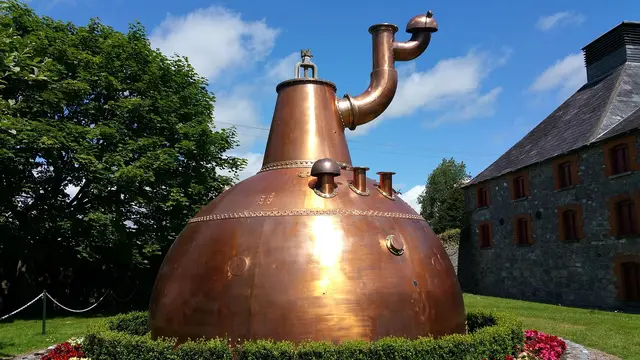
Contract-brewed craft beer brand
Create your own beer brand and have it brewed on an established brewery's kit, without buying your own equipment.
- £3k-15k
- Side hustle
- From home
Bespoke and eco coffin maker
Make wicker, cardboard or solid wood coffins in a small workshop for funeral directors and families.
- £3k-15k
- Part-time
- Own premises
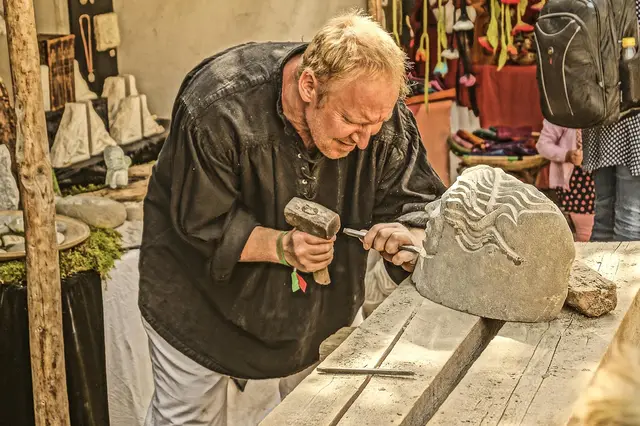
Stone carving commissions from a small workshop
Carve house signs, garden pieces and memorial details to order from a rented unit or garden workshop.
- £5k-15k
- Part-time
- Own premises
Online metal shop for makers and small workshops
Sell cut-to-size sheet, bar and tube online to hobbyists, makers and small workshops, sent by courier or pallet.
- £3k-15k
- Side hustle
- Online