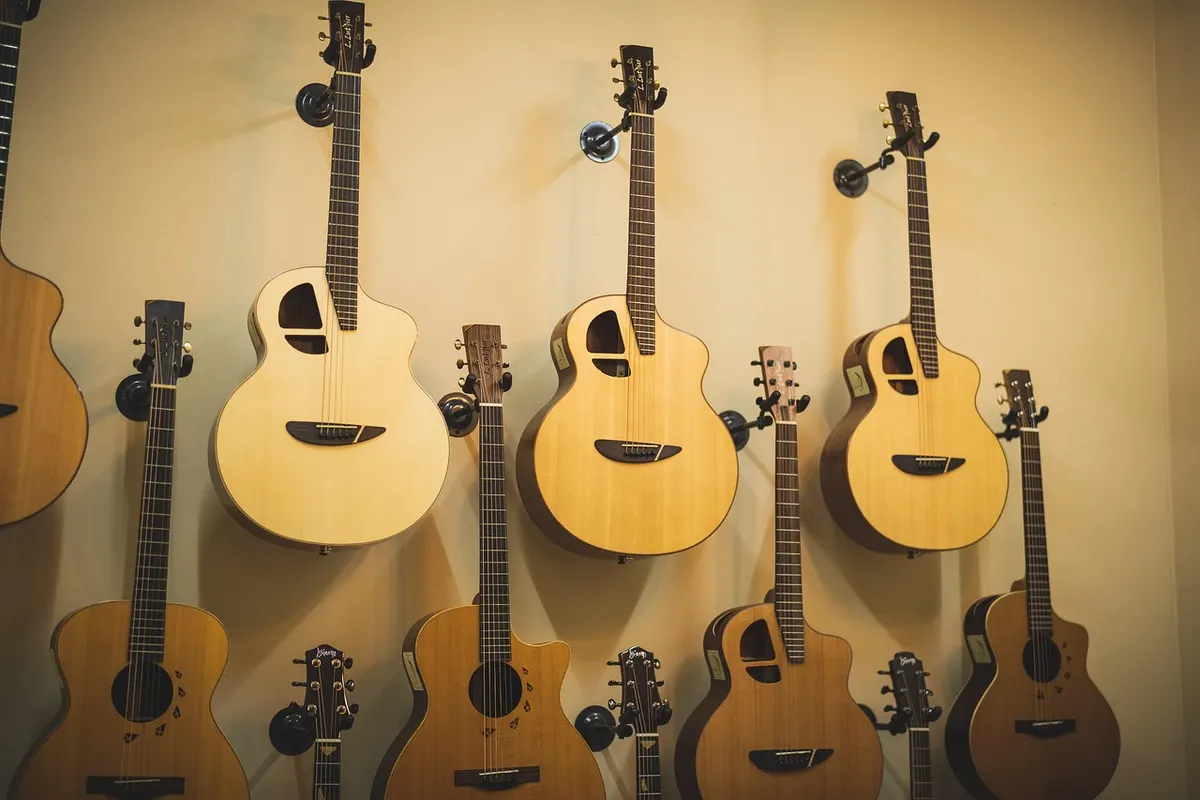
Local musical instrument shop
Open a small shop selling instruments, accessories and sheet music to local players, students and parents.
- £15k-60k
- Full-time
- Own premises
Estimates for a small start in the UK, not guarantees.
Official data
935 UK companies in this field, 22% registered in the last 2 years
SIC 47591 “Retail sale of musical instruments and scores”. Source: Companies House, November 2026.
What it is
A small high street or unit-based shop selling guitars, keyboards, ukuleles, orchestral instruments, strings, reeds, leads and sheet music. Many shops add simple extras such as string changes, basic set-ups and instrument rental for beginners.
Your first three steps
- Research your area: visit nearby shops, music schools and teachers, and note what is missing locally
- Contact distributors and wholesalers to ask about trade accounts, minimum orders and dealer terms
- Price up a suitable unit, including rent, business rates and shop fit-out, and write a simple cash flow forecast
Who pays
Hobby players, parents buying for children, school and music teachers, and local bands and gigging musicians.
How it makes money
Margin on instruments and accessories, with steady repeat sales of low-cost items such as strings, reeds and sheet music. Extras like set-ups, repairs and rentals add regular income.
Skills that help
- Good knowledge of instruments and brands
- Customer service and friendly advice
- Stock buying and cash flow control
- Playing an instrument helps with credibility
Watch out for
- Rent, business rates and stock tie up a lot of cash, so check the numbers carefully before signing a lease
- Competition from big online retailers on price, so think about what you can offer in person, such as advice, lessons and repairs
- Check the planning use class and lease terms for the premises with your council
- Public liability and stock/contents insurance
- Consumer rights rules on returns and faulty goods for sales, especially if you also sell online
- Register as a sole trader or limited company, and check when VAT registration applies
Deep research report · UK
Everything you need to start: local musical instrument shop
Researched with live web search for United Kingdom: real startup prices, the licences and rules, what others charge, a break-even example, how to find your first customers and a 30-day launch plan. With sources.
- Startup costs with real prices
- Licences, registration and rules
- Pricing: what others charge
- Break-even example
- Finding your first customers
- 30-day launch plan
- Risks and how to reduce them
Questions people ask
How much does it cost to open a musical instrument shop?
Startup costs are typically around £15,000 to £60,000, depending on the premises and how much stock you buy. These are estimates. Rent, business rates and stock tie up a lot of cash, so check the numbers before signing a lease.
How much can an instrument shop earn?
Monthly revenue is typically around £4,000 to £20,000, depending on your stock, location and extras such as repairs, set-ups or rentals. These are estimates. Competition from big online retailers on price is worth planning for.
What should I check before opening an instrument shop?
Check the planning use class and lease terms with your council, and insurance such as public liability and stock cover. Also check consumer rights rules on returns and faulty goods, whether you register as a sole trader or limited company, and when VAT registration applies.
Other ways to run this business
Similar retail ideas
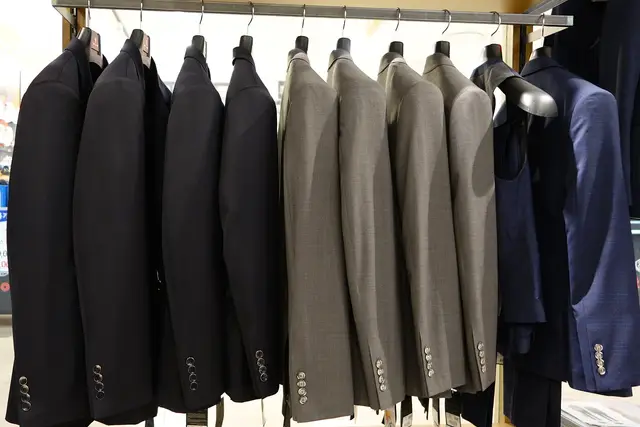
Independent menswear shop
Open a small local shop selling shirts, trousers and suits, with fitting advice customers can't get online.
- £15k-60k
- Full-time
- Own premises

Local Judaica shop
Open a small shop near a Jewish community selling ritual items, books and gifts, with advice and personal service.
- £15k-60k
- Full-time
- Own premises
Computer parts distributor from a small unit
Hold stock of components and systems in a small unit and supply local resellers and repair shops quickly.
- £15k-60k
- Full-time
- Own premises

Local stationery and office supplies shop
Run a small high street shop selling stationery, paper and office basics to nearby businesses, schools and households.
- £15k-60k
- Full-time
- Own premises
Handmade wooden furniture showroom
Open a small shop showing solid wood, traditional-style furniture made by local craftspeople, with made-to-order options.
- £15k-60k
- Full-time
- Own premises
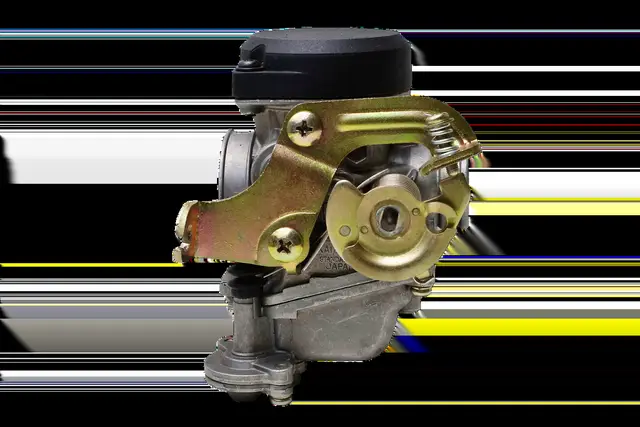
Motorcycle parts and gear shop
Open a small local shop selling parts, accessories and riding gear to riders and workshops.
- £15k-60k
- Full-time
- Own premises
Photo: tianya1223 on Pixabay