Gigging musician for pubs, weddings and events
Play paid live sets at pubs, weddings, parties and corporate events as a solo act or small band.
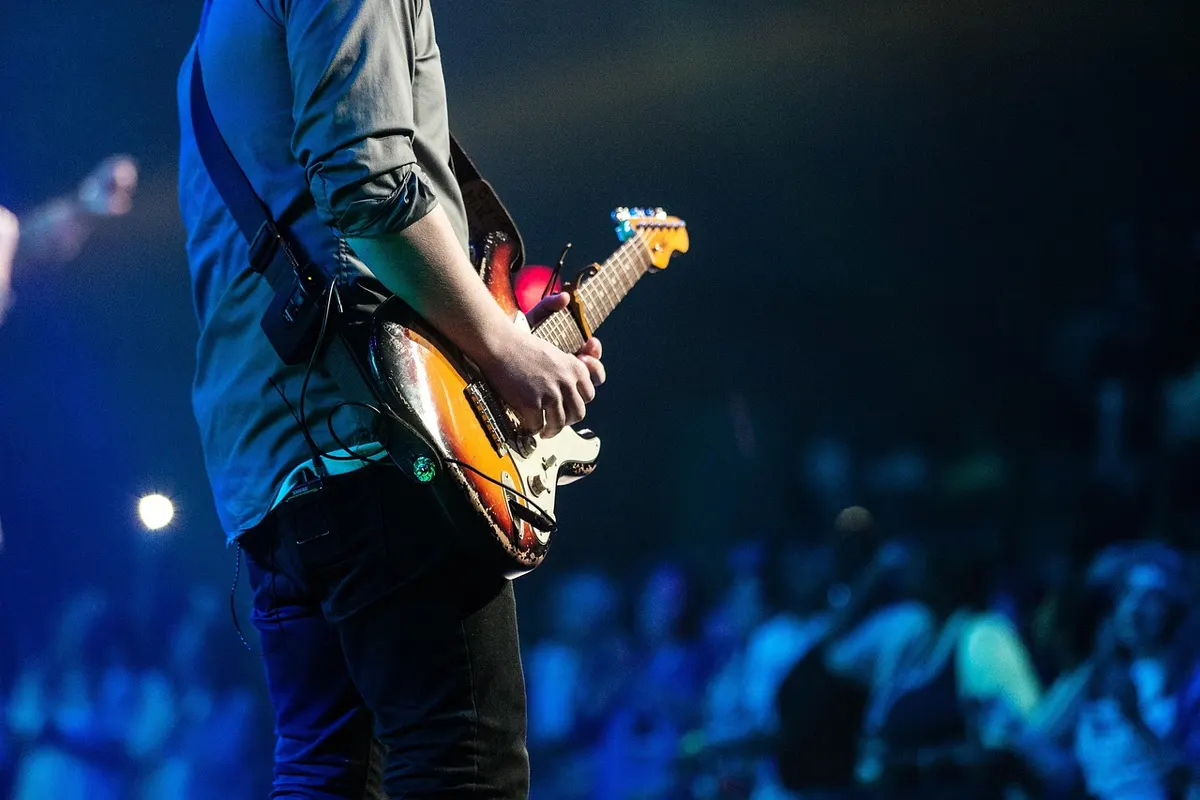
- £300-3k
- Side hustle
- Out and about
Estimates for a small start in the UK, not guarantees.
What it is
Performing live music, either solo or with a small band, at venues and private events. You choose a repertoire that suits your audience, such as covers, acoustic sets or your own material.
Your first three steps
- Put together a 60 to 90 minute set list and record a short demo video of it
- Set up a simple page with video, photos and contact details, and list yourself on gig booking sites
- Contact local pubs, wedding venues and event planners and offer a trial set
Who pays
Pubs, bars and restaurants, couples planning weddings, event organisers, businesses and private party hosts.
How it makes money
A fee per gig, usually agreed in advance. Private events like weddings and parties typically pay more than pub sets. Some musicians add tips or merchandise sales.
Skills that help
- Strong playing or singing ability
- A repertoire that suits your audience
- Reliable and professional with bookers
- Basic sound equipment know-how
Watch out for
- Public liability insurance, which many venues ask to see
- Whether the venue holds the right music licences, as this is usually the venue's responsibility, but check
- PAT testing of your electrical equipment, as some venues ask for it
- Gig income can be uneven, especially outside the summer and Christmas seasons
- Register as a sole trader with HMRC and keep records of income and expenses
Deep research report · UK
Everything you need to start: gigging musician for pubs, weddings and events
Researched with live web search for United Kingdom: real startup prices, the licences and rules, what others charge, a break-even example, how to find your first customers and a 30-day launch plan. With sources.
- Startup costs with real prices
- Licences, registration and rules
- Pricing: what others charge
- Break-even example
- Finding your first customers
- 30-day launch plan
- Risks and how to reduce them
Questions people ask
How much does it cost to start as a gigging musician?
Startup costs are typically around £300 to £3,000, depending on the instruments, sound equipment and insurance you already have or need to buy. These are estimates, so list your own kit needs first.
What should gigging musicians check in the UK?
Check whether the venue holds the right music licences, which is usually the venue's responsibility. Also arrange public liability insurance, which many venues ask to see, check whether PAT testing is requested, and register as a sole trader with HMRC.
How much can a gigging musician earn?
Monthly revenue is typically around £300 to £2,500, depending on how often you play and your fees. Gig income can be uneven, especially outside the summer and Christmas seasons, so plan for quieter months.
Other ways to run this business
Similar creative ideas

Small digital-first record label
Sign a few local artists and release their music on streaming platforms, run from your laptop at home.
- £500-3k
- Side hustle
- From home

Home or garden painting studio
Run small painting classes and workshops from a spare room, garden room or shed.
- £600-3k
- Side hustle
- From home

Glass blower in a shared studio
Make hand-blown vessels and art glass using hired bench time at a shared hot glass studio, and sell at fairs and online.
- £500-3k
- Side hustle
- Own premises

Online art dealer
Find and sell original artwork online, either on commission or by buying pieces to resell.
- £300-3k
- Side hustle
- Online

Local news and picture agency
Spot local stories and sell reports and photos to papers, news sites and broadcasters.
- £500-3k
- Side hustle
- Out and about

Home sewing classes for small groups
Teach beginners dressmaking and machine basics to small groups in a spare room or home studio.
- £500-3k
- Side hustle
- From home
Photo: Pexels on Pixabay