Home workshop prototype machinist
Make small precision parts and prototypes in a garage workshop alongside a day job.
- £4k-20k
- Side hustle
- From home
Estimates for a small start in the UK, not guarantees.
Official data
3,013 UK companies in this field, 11% registered in the last 2 years
SIC 25620 “Machining”. Source: Companies House, November 2026.
What it is
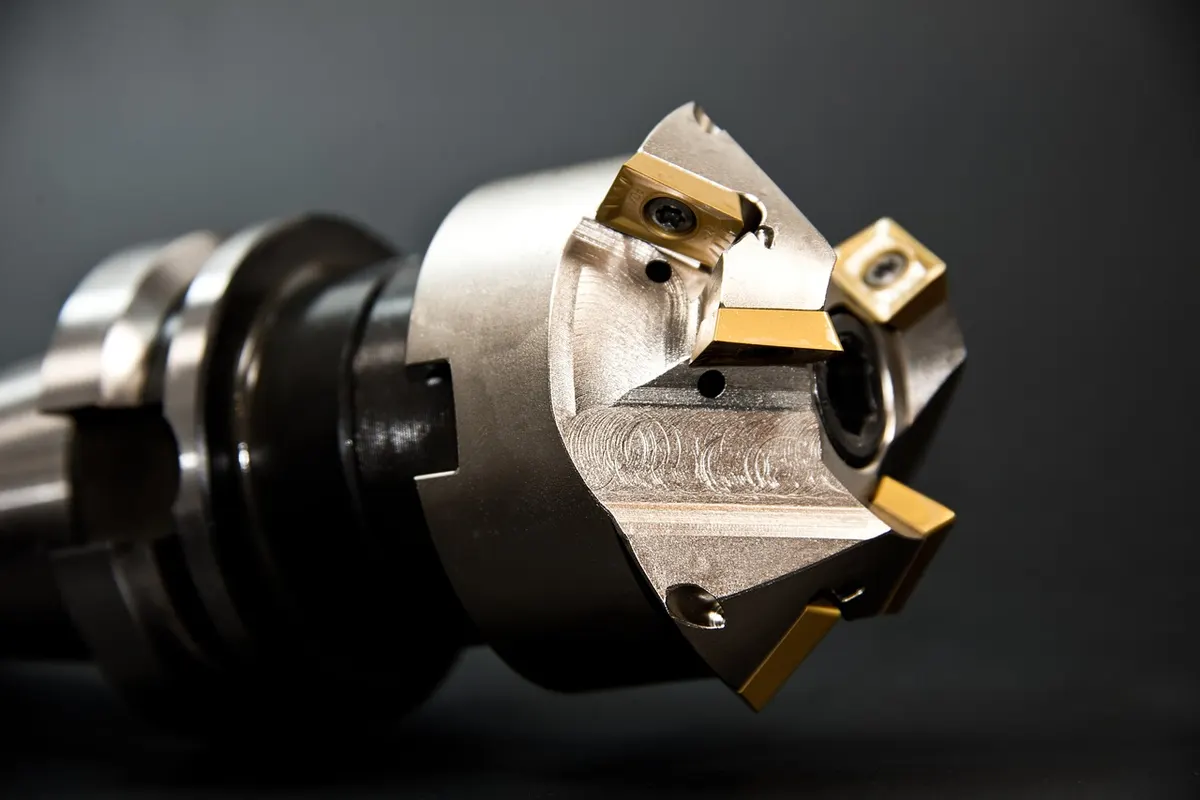
A small-scale version using a bench lathe, mill or small CNC machine in a garage or outbuilding. You make one-off parts, repairs and prototypes to customer drawings.
Your first three steps
- Check your lease, mortgage terms and local council rules on running a workshop from home, including noise
- Choose a narrow niche, such as classic car parts or prototype brackets, and set a rate per hour
- Show examples of your work online and approach local makerspaces, designers and repair shops for small jobs
Who pays
Inventors, hobbyists, classic vehicle and model engineering owners, start-ups needing prototypes and local firms with small urgent jobs.
How it makes money
Fixed price per part or hourly machining rate, plus materials. Small jobs and repairs suit limited hours.
Skills that help
- Machining on lathes and mills
- Reading drawings and working to tolerance
- Measuring and inspection
- Clear communication on what is achievable
Watch out for
- Landlord, mortgage lender or council permission for business use at home
- Noise, swarf and neighbour complaints
- Public liability and home insurance may not cover business machinery, so check with your insurer
- Machine guarding, safe electrics and personal safety such as eye protection
- Liability if a part you make fails, so be clear about what you will and will not machine
Deep research report · UK
Everything you need to start: home workshop prototype machinist
Researched with live web search for United Kingdom: real startup prices, the licences and rules, what others charge, a break-even example, how to find your first customers and a 30-day launch plan. With sources.
- Startup costs with real prices
- Licences, registration and rules
- Pricing: what others charge
- Break-even example
- Finding your first customers
- 30-day launch plan
- Risks and how to reduce them
Questions people ask
How much does it cost to set up a home machining workshop?
Startup costs are typically around £4,000 to £20,000, depending on whether you buy a bench lathe, mill or small CNC machine, new or second-hand, plus tooling, measuring equipment and insurance.
How much can a home prototype machinist earn?
Monthly revenue is typically estimated at around £300 to £1,500, depending on your machines, the jobs you take and the hours you can fit around a day job. Being clear about what you can achieve helps you quote well.
What should I check before machining parts at home?
Check whether your landlord, mortgage lender or council allows business use at home, and think about noise and neighbours. Check with your insurer about machinery cover, machine guarding and safety, and be clear about what parts you will machine.
Similar making and manufacturing ideas
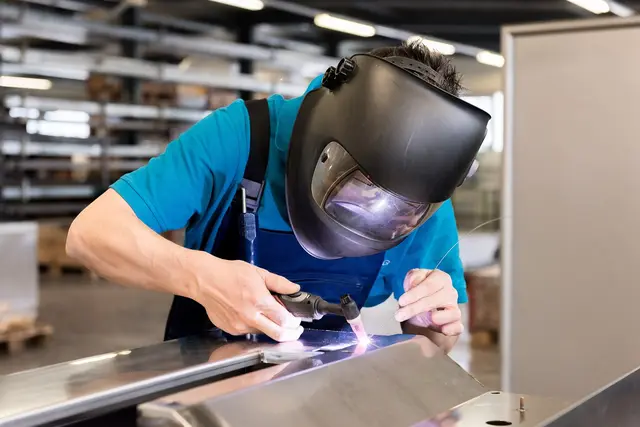
Small metal workshop for gates and fittings
Rent a small unit and make gates, railings, brackets and repairs to order for local customers.
- £4k-20k
- Part-time
- Own premises
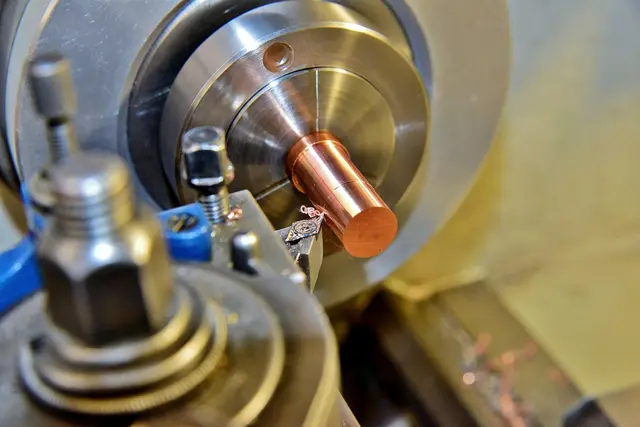
Garage workshop for one-off and repair parts
Turn small metal and plastic parts on a bench lathe and mill for hobbyists, repairers and local firms.
- £4k-20k
- Side hustle
- From home
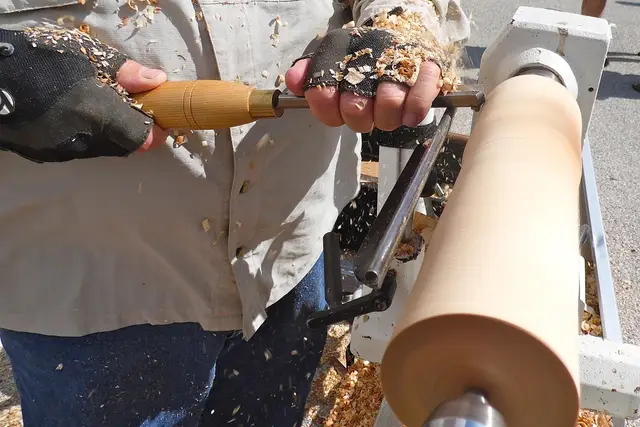
Woodturning workshop for trade orders
Rent a small unit and turn table legs, spindles and bowls for furniture makers, joiners and shops.
- £5k-20k
- Full-time
- Own premises

Pottery studio supplying shops, cafés and galleries
Rent a studio unit and make repeatable ranges of tableware or tiles for shops, cafés and galleries.
- £5k-20k
- Full-time
- Own premises

Exhibition stand and display maker
Design and build custom exhibition stands and shop displays for local firms and trade show exhibitors.
- £4k-20k
- Part-time
- Own premises
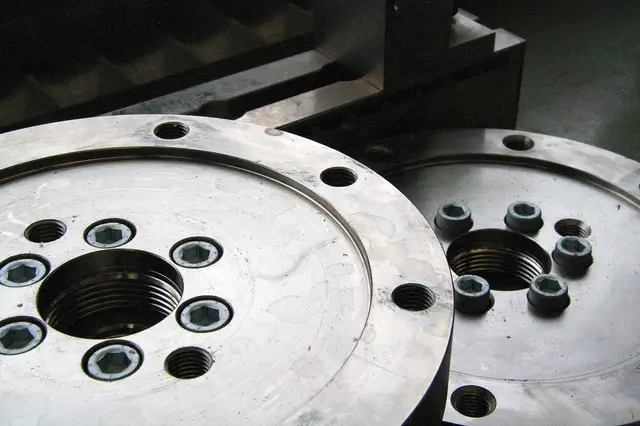
One-off obsolete part maker from a garage workshop
Use a manual lathe and mill to remake worn or discontinued machine parts for local businesses.
- £5k-20k
- Side hustle
- From home
Photo: blickpixel on Pixabay