Rice and grains shop
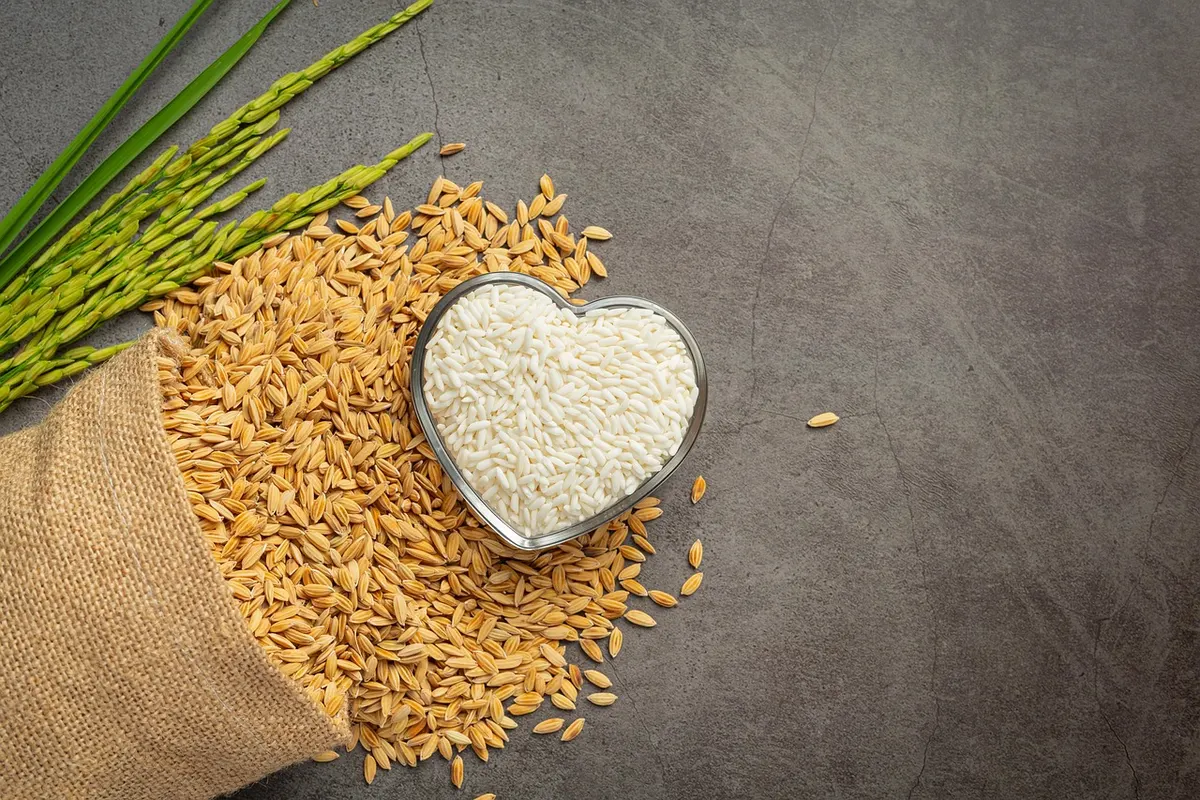
Run a small shop selling rice, grains and pulses in bulk and packs to local households and restaurants.
- £8k-35k
- Full-time
- Own premises
Estimates for a small start in the UK, not guarantees.
What it is
A small shop stocking a range of rice (basmati, jasmine, sushi, wild and more), other grains and pulses, sold loose by weight or in sacks and packs. You may also sell related items such as spices and dried goods.
Your first three steps
- Visit local restaurants and shops to see which rice types sell and what they pay
- Get quotes from a few wholesalers and importers and work out your margins
- Look at affordable shop units and check business rates and the permitted use with your council
Who pays
Households that cook regularly, local restaurants and takeaways, and community groups buying larger sacks.
How it makes money
You buy in bulk from wholesalers or importers and sell at a margin, by the kilo or in 5kg to 20kg sacks. Regular catering customers can give steady repeat orders.
Skills that help
- Buying and negotiating with suppliers
- Stock control and keeping food fresh
- Customer service
- Basic bookkeeping
Watch out for
- Register your food business with your local council before you start trading
- Food hygiene rules, including safe storage and pest control, so check what applies to selling loose food
- Labelling rules for packed food, including allergens and weights, so check with Trading Standards
- Public liability insurance, plus employer's liability once you hire staff
- Shop lease terms, business rates and the permitted use of the unit
- Heavy sacks, so plan storage and safe lifting
Deep research report · UK
Everything you need to start: rice and grains shop
Researched with live web search for United Kingdom: real startup prices, the licences and rules, what others charge, a break-even example, how to find your first customers and a 30-day launch plan. With sources.
- Startup costs with real prices
- Licences, registration and rules
- Pricing: what others charge
- Break-even example
- Finding your first customers
- 30-day launch plan
- Risks and how to reduce them
Questions people ask
How much does it cost to open a rice and grains shop?
Startup costs are typically around £8,000 to £35,000, depending on the premises, fit-out, stock and storage. Check the shop lease terms, business rates and the permitted use of the unit before you commit.
What food rules should I check before opening?
Check with your local council about registering your food business before you start trading. Also check food hygiene rules for selling loose food, including safe storage and pest control, and labelling rules for packed food with Trading Standards.
How much can a rice and grains shop make?
Estimated monthly revenue is typically around £3,000 to £15,000, depending on location, range and whether you supply local restaurants and takeaways. Plan for around 35 hours a week at least, and safe storage and lifting for heavy sacks.
Other ways to run this business
Similar food ideas

Local drinks wholesaler with a small unit
Stock beers, wines and spirits in a small unit and deliver to pubs, restaurants and shops nearby.
- £8k-35k
- Full-time
- Own premises
Neighbourhood paan shop
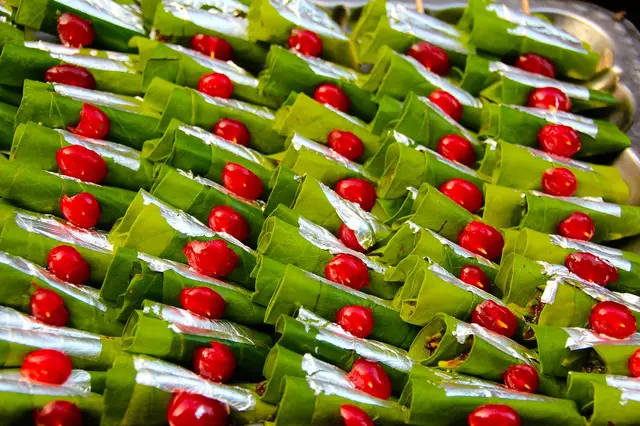
Make fresh paan to order and sell sweet treats from a small shop in a community that already knows and loves it.
- £8k-35k
- Full-time
- Own premises

Popcorn shop or kiosk unit
Open a small shop or kiosk selling freshly popped popcorn, with walk-in trade and gift orders.
- £8k-35k
- Full-time
- Own premises

Grocery wholesale delivery round
Buy everyday grocery lines in bulk and deliver them by van to local corner shops and small retailers.
- £8k-35k
- Part-time
- Out and about

Fixed coffee kiosk
Run a small kiosk at a busy spot such as a station, park, office block or leisure site.
- £8k-35k
- Full-time
- Own premises
Japanese sweets and snacks shop
Open a small shop selling low-priced Japanese sweets, snacks and drinks to locals, students and tourists.
- £8k-35k
- Full-time
- Own premises
Photo: gaotuthien on Pixabay