Small local roof truss workshop
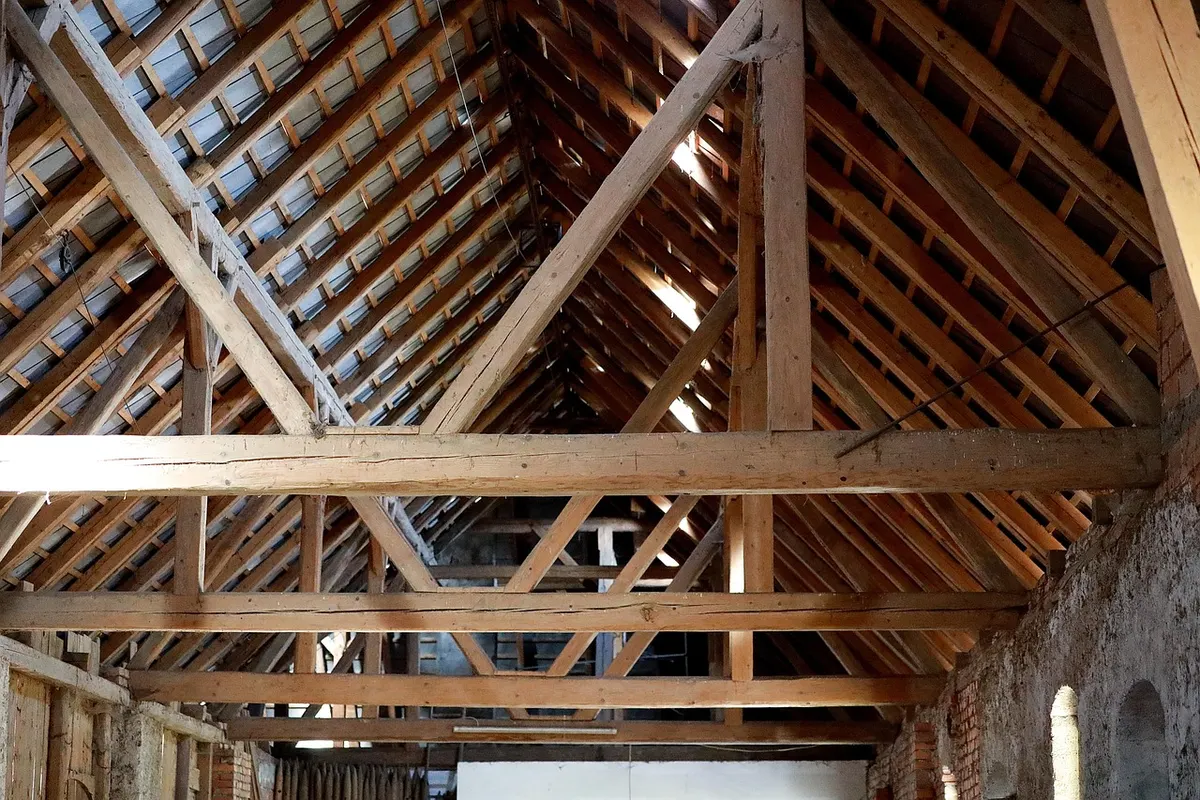
Design and make timber roof trusses in a small unit for local builders, joiners and roofers.
- £60k-250k
- Full-time
- Own premises
Estimates for a small start in the UK, not guarantees.
Official data
7,968 UK companies in this field, 30% registered in the last 2 years
SIC 16230 “Manufacture of other builders' carpentry and joinery”. Source: Companies House, November 2026.
What it is
A small workshop that cuts timber and assembles it with nail plates into engineered roof trusses, made to order for local jobs such as extensions, new builds and loft conversions. It needs real upfront investment, so it suits a small team with a joinery or building background.
Your first three steps
- Talk to nail plate and design software suppliers about licences, training and the equipment they require
- Price up a small unit, a saw, a press or jigs, timber storage and a delivery vehicle, then build a cash flow forecast
- Ask local builders and roofers what they buy, how often and what lead times they expect, and try to get a few commitments before you sign for premises
Who pays
Small and medium housebuilders, self-builders using a contractor, joiners, roofing contractors and builders' merchants.
How it makes money
You charge per truss or per roof set, priced from timber, plates, labour and design time, plus delivery. Repeat orders from a handful of local builders keep the workshop busy.
Skills that help
- Carpentry or joinery experience
- Reading roof plans and measuring accurately
- Using truss design software
- Quoting and dealing with builders
- Managing timber stock and delivery schedules
Watch out for
- Trusses are structural, so check design checking, engineering sign-off and product marking requirements (such as UKCA or CE marking) with your plate supplier and Building Control
- Public liability, product liability and employer's liability insurance, plus professional indemnity if you do the design yourself
- Check industrial unit leases, planning use class and local council rules on noise and dust
- Machinery and dust safety (PUWER, wood dust controls) and lifting and forklift training for anyone on site
- Timber prices can swing quickly, and builders often pay late, so check supplier terms and consider credit checks
Deep research report · UK
Everything you need to start: small local roof truss workshop
Researched with live web search for United Kingdom: real startup prices, the licences and rules, what others charge, a break-even example, how to find your first customers and a 30-day launch plan. With sources.
- Startup costs with real prices
- Licences, registration and rules
- Pricing: what others charge
- Break-even example
- Finding your first customers
- 30-day launch plan
- Risks and how to reduce them
Questions people ask
How much does it cost to start a roof truss workshop?
Startup costs are typically around £60,000 to £250,000, depending on the unit, machinery, truss design software, timber stock and nail plates. It needs real upfront investment, so it suits a small team with a joinery or building background.
How much can a truss workshop earn?
Monthly revenue is typically around £12,000 to £60,000, depending on order volume, timber prices and the mix of builders and joiners you supply. Builders often pay late, so check supplier terms and consider credit checks.
What rules apply to making roof trusses?
Things to check: design checking, engineering sign-off and product marking (such as UKCA or CE) with your plate supplier and Building Control; insurance including product liability; unit lease and planning use class; and machinery and wood dust safety.
Similar making and manufacturing ideas
Micro-brewery with a taproom
Brew small batches of beer or cider in a rented unit and sell to local pubs, shops and visitors at your own bar.
- £60k-250k
- Full-time
- Own premises
Small-batch craft spirits distillery
Make gin, vodka or rum in a small unit and sell to local bars, shops and online customers.
- £40k-200k
- Part-time
- Own premises
Engine machining workshop
Machine and rebuild engine blocks, heads and cranks for garages, enthusiasts and specialist workshops.
- £60k-200k
- Full-time
- Own premises

Water jet cutting job shop for manufacturers
Run a full-time cutting shop with a larger machine, serving local manufacturers and fabricators with regular batch work.
- £150k-350k
- Full-time
- Own premises

Distillery with tasting room and tours
Run a working distillery that also sells tours, tastings and bottles to visitors.
- £80k-350k
- Full-time
- Own premises

Small toolroom for injection moulds and tooling
Run a small CNC workshop making and repairing steel and aluminium moulds for local plastic and rubber manufacturers.
- £40k-150k
- Full-time
- Own premises
Photo: WFranz on Pixabay