Start a domestic scaffolding firm
Put up and take down scaffolding for homeowners, roofers and local builders with your own kit and a small crew.
- £12k-40k
- Full-time
- Out and about
Estimates for a small start in the UK, not guarantees.
Official data
6,606 UK companies in this field, 28% registered in the last 2 years
SIC 43991 “Scaffold erection”. Source: Companies House, November 2026.
What it is
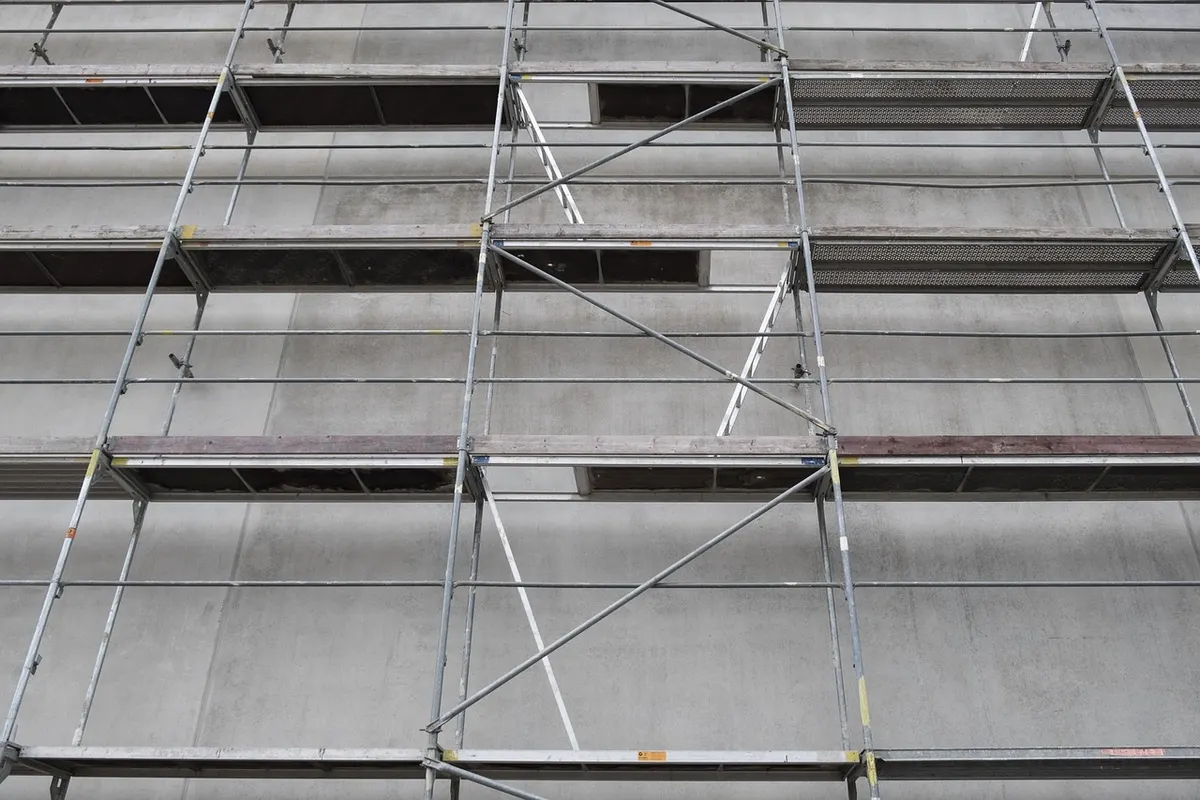
Erecting, altering and dismantling access scaffolding on houses and small commercial buildings for roof repairs, rendering, chimney work, extensions and painting. You own the scaffold tube, boards and fittings, and carry them on a lorry or flatbed.
Your first three steps
- Get CISRS scaffolder training and a card if you do not have one, and work out which jobs you are competent to do
- Price up a starter kit (new or second-hand) and a suitable vehicle, then get quotes for public liability and employer's liability insurance
- Introduce yourself to local builders and roofers and offer free site visits and written quotes
Who pays
Homeowners, local builders, roofers, window fitters, landlords and small property firms.
How it makes money
A fixed price for each job covering erection, an agreed hire period and dismantling, plus weekly charges if the job overruns. Alterations and extra lifts are quoted as extras.
Skills that help
- Trained and experienced in erecting scaffolding safely
- Quoting and measuring from plans or site visits
- Physical fitness and a head for heights
- Managing a small crew and booking jobs
Watch out for
- There is no general licence to trade as a scaffolder in the UK, but the Work at Height Regulations apply, so check the HSE guidance and industry guidance such as TG20 for standard scaffold designs
- Many customers and main contractors expect CISRS cards and may ask for proof of training before hiring you
- Public liability insurance with cover suited to scaffolding, and employer's liability insurance as soon as you take on staff
- Scaffolding on or over a pavement or road usually needs a licence or permit from the council, check locally as rules differ across the UK
- Larger or complex structures may need a design by a competent person, know your limits
- Vehicle weight, loading and driving licence requirements for carrying heavy kit
- Heavy lifting and fall risks, keep up training, inspections and records
Deep research report · UK
Everything you need to start: domestic scaffolding firm
Researched with live web search for United Kingdom: real startup prices, the licences and rules, what others charge, a break-even example, how to find your first customers and a 30-day launch plan. With sources.
- Startup costs with real prices
- Licences, registration and rules
- Pricing: what others charge
- Break-even example
- Finding your first customers
- 30-day launch plan
- Risks and how to reduce them
Questions people ask
How much does it cost to start a scaffolding business in the UK?
Startup costs are typically around £12,000 to £40,000, depending on how much tube, boards and fittings you buy and the vehicle you use to carry them. These are estimates, so price your kit and insurance before you commit.
How much can a domestic scaffolding firm earn?
Monthly revenue is typically around £4,000 to £20,000, depending on your crew size, how many jobs you win and the type of work. That is revenue, not profit, so allow for kit, vehicle, insurance and labour costs.
What rules and licences should I check for scaffolding?
There is no general scaffolder trading licence, but check the Work at Height Regulations, HSE guidance and TG20 designs. Check whether your council requires a licence or permit for scaffolding over a pavement or road, and what proof of training, such as CISRS cards, customers expect.
Other ways to run this business
Similar trades ideas
Sheet metal workshop: ductwork and fabrication
Run a small unit making ductwork, flashings and custom metal parts for builders, installers and local firms.
- £8k-40k
- Full-time
- Own premises
Machinery repair and servicing workshop
Run a small unit where businesses bring machine parts and smaller equipment to be repaired, reconditioned and tested.
- £8k-40k
- Full-time
- Own premises
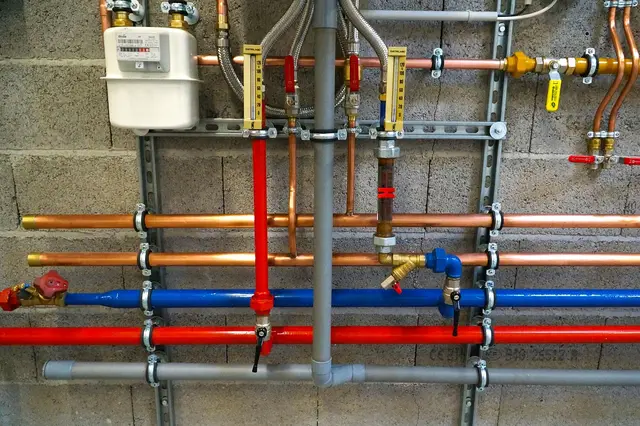
Gas installs for landlords and agents
Run a small team fitting and replacing gas appliances across rental properties for landlords and letting agents.
- £15k-40k
- Full-time
- Out and about

Glass and mirror workshop with counter
Run a small unit that cuts glass and mirrors to size, sells to walk-in customers and supplies local builders.
- £10k-40k
- Full-time
- Own premises
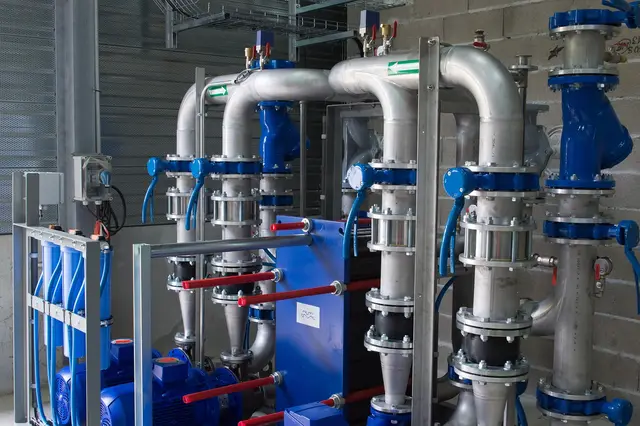
Local pump supplier with a small trade counter
Stock common pumps and spares in a small unit so local contractors and farms can collect same day.
- £10k-40k
- Full-time
- Own premises

Local fire safety trade supplier
Stock a small unit and deliver fire safety items to installers, maintenance firms and local businesses.
- £8k-40k
- Full-time
- Own premises
Photo: Bru-nO on Pixabay