Stocked scientific instrument supplier
Hold stock of popular lab instruments and consumables in a small unit and supply schools and testing labs fast, with local service.
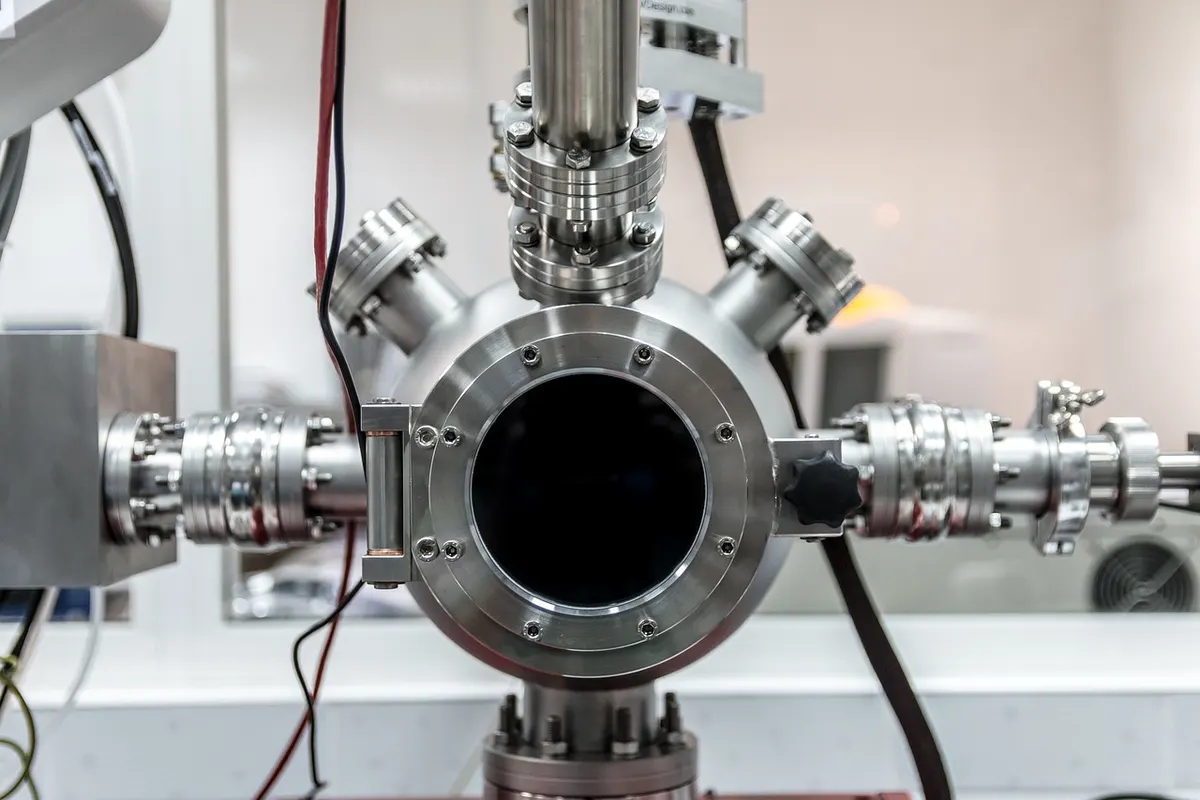
- £10k-40k
- Full-time
- Own premises
Estimates for a small start in the UK, not guarantees.
What it is
A trade supplier that keeps stock of commonly needed items such as balances, pH meters, centrifuges, glassware and safety equipment in a small unit. You offer quick delivery, quotes, and perhaps basic calibration or repair arrangements through partners.
Your first three steps
- Choose a focus, for example school science or environmental testing, and speak to a few technicians and lab managers about what they struggle to get quickly
- Open trade accounts with manufacturers and distributors and agree terms, minimum orders and any exclusive territories
- Find a small unit or storage space and register as a supplier with local schools, academy trusts and councils
Who pays
Schools and academy trusts, universities, environmental and materials testing labs, food and water testing facilities, and small R&D firms.
How it makes money
Margin on equipment sales, repeat consumable orders, and service or calibration add-ons. Fast delivery and local support help you compete with the large catalogue suppliers.
Skills that help
- Technical knowledge of lab equipment
- Stock control and purchasing
- Sales and account management
- Handling tenders and quotes
Watch out for
- Stock ties up cash, so start with fast-moving lines and keep an eye on slow sellers
- Public bodies often use frameworks and tenders, so check how to get on approved supplier lists
- Storing chemicals or other hazardous items may need extra safety measures, so check the rules with your local council or fire service
- Electrical goods need to meet UK safety and marking rules, so check with your suppliers and for any resale responsibilities
- Product and public liability insurance, plus goods in transit and stock cover
- Business rates, lease terms and planning use for the unit, and VAT registration above the threshold
Deep research report · UK
Everything you need to start: stocked scientific instrument supplier
Researched with live web search for United Kingdom: real startup prices, the licences and rules, what others charge, a break-even example, how to find your first customers and a 30-day launch plan. With sources.
- Startup costs with real prices
- Licences, registration and rules
- Pricing: what others charge
- Break-even example
- Finding your first customers
- 30-day launch plan
- Risks and how to reduce them
Questions people ask
How much does it cost to start a scientific equipment supplier?
Startup costs are typically around £10,000 to £40,000, depending on the unit you rent, how much opening stock you hold, and your insurance and delivery arrangements. Treat this as an estimate and start with fast-moving lines.
What rules should I check before supplying lab equipment?
Check storage requirements for chemicals or hazardous items with your local council or fire service, UK safety and marking rules for electrical goods, insurance, business rates, lease and planning use for the unit, and VAT registration above the threshold.
How do I win work from schools and testing labs?
Public bodies often buy through frameworks and tenders, so check how to get onto approved supplier lists. You will also need technical knowledge, quoting skills and sound stock control. Monthly revenue is typically estimated at around £3,000 to £15,000.
Similar business services ideas

Local independent insurance agency
Open your own small high street insurance agency, serving local homes and businesses and building renewal income.
- £10k-40k
- Full-time
- Own premises

Local bag wholesaler with a small unit and van
Hold pallets of bags in a small unit and deliver to shops, takeaways and cafés in your area on regular orders.
- £10k-40k
- Full-time
- Own premises

Trade supplier of water treatment kit and chemicals
Run a small stockroom supplying treatment systems, filters and chemicals to businesses, farms and installers.
- £10k-40k
- Full-time
- Own premises

Small plant hire, delivered to site
Hire out mini diggers, dumpers and compactors to builders and homeowners, delivered by trailer from a home or yard base.
- £8k-40k
- Side hustle
- Out and about
Paper trader buying and shipping overseas
Buy paper and board in the UK, hold a little stock, and sell and ship it to overseas printers and distributors.
- £8k-40k
- Part-time
- Own premises
Local medical supplies distributor with a stock unit
Hold stock in a small unit and deliver clinic and care home supplies quickly, with a few regular accounts.
- £10k-40k
- Full-time
- Own premises
Photo: jarmoluk on Pixabay