Second-Hand clothes shop
Open a small shop selling pre-owned everyday clothing to shoppers who want good value.
- £5k-25k
- Full-time
- Own premises
Estimates for a small start in the UK, not guarantees.
What it is
A small shop selling pre-owned clothes, with stock bought from the public, sourced in bundles or taken on commission. Many shops mix everyday wear with some vintage or branded pieces.
Your first three steps
- Walk nearby shopping streets, note which gaps exist and check rents for small units
- Test demand with a stall at a market or pop-up, and build a supplier mix of bundles, local buy-ins and donations
- Draft a simple budget covering rent, rates, fit-out, stock and three months of running costs
Who pays
Local shoppers, students, families on a budget and people who prefer to buy second-hand.
How it makes money
Selling clothes at a margin over what you paid, or keeping a share of the price on items sold for others on commission.
Skills that help
- Judging quality and what sells locally
- Pricing and merchandising stock
- Customer service
- Basic bookkeeping and stock control
Watch out for
- Check the lease terms, business rates and any small business rate relief with your council
- Public liability insurance, plus stock and contents cover
- Employer's liability insurance if you hire staff
- Check the rules on buying from the public, as some councils or police forces may expect records of second-hand purchases
- Slow-selling stock and seasonal dips can strain cash flow
Deep research report · UK
Everything you need to start: second-hand clothes shop
Researched with live web search for United Kingdom: real startup prices, the licences and rules, what others charge, a break-even example, how to find your first customers and a 30-day launch plan. With sources.
- Startup costs with real prices
- Licences, registration and rules
- Pricing: what others charge
- Break-even example
- Finding your first customers
- 30-day launch plan
- Risks and how to reduce them
Questions people ask
How much does it cost to open a second-hand clothes shop?
Startup costs are typically around £5,000 to £25,000, depending on the premises, shop fittings, rails and your opening stock. These are estimates, so check lease terms and rates for your chosen location before committing.
How much revenue can a second-hand clothes shop make?
Monthly revenue is typically around £2,000 to £10,000, depending on location, the quality of your stock and how well you price it. That is revenue, not profit, and slow-selling stock and seasonal dips can strain cash flow.
What rules should I check before opening a second-hand clothes shop?
Check lease terms, business rates and any small business rate relief with your council. Check public liability, stock and contents insurance, and employer's liability if you hire staff. Also check any rules on buying from the public and keeping records.
Other ways to run this business
Similar retail ideas

Second-hand bookshop on the high street
Open a small shop selling pre-owned books and buying stock from local people.
- £5k-25k
- Full-time
- Own premises

Used and refurbished bakery equipment
Buy, refurbish and sell or hire second-hand ovens and mixers to bakeries on a tighter budget.
- £5k-25k
- Part-time
- Own premises

Consignment shop on your high street
Rent a small shop and sell other people's quality second-hand items, keeping a share of each sale.
- £5k-25k
- Full-time
- Own premises

Flag shop with a small unit
Open a local shop for flags, poles and bunting, serving walk-in and business customers.
- £5k-25k
- Full-time
- Own premises
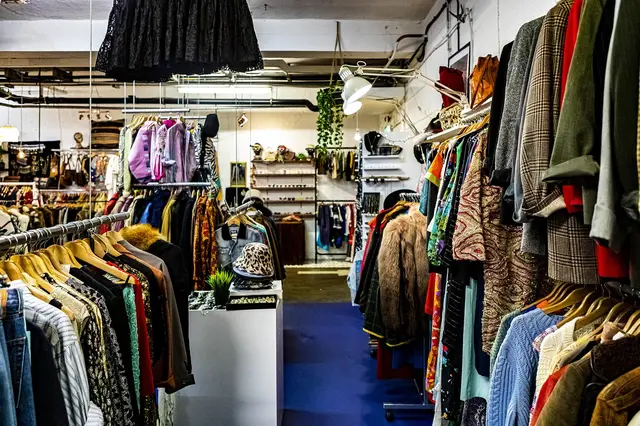
Vintage clothes shop on the high street
Open a small shop with a curated range of vintage clothing and accessories for local and passing trade.
- £5k-25k
- Full-time
- Own premises
Short-term wheelchair and mobility aid hire
Hire out wheelchairs, scooters and walkers by the day or week, delivered to homes, hotels and hospital discharges.
- £6k-25k
- Side hustle
- Out and about
Photo: StockSnap on Pixabay