Open a Second-Hand Instrument Shop
Open a small local shop that buys, sells and part-exchanges used instruments and accessories.
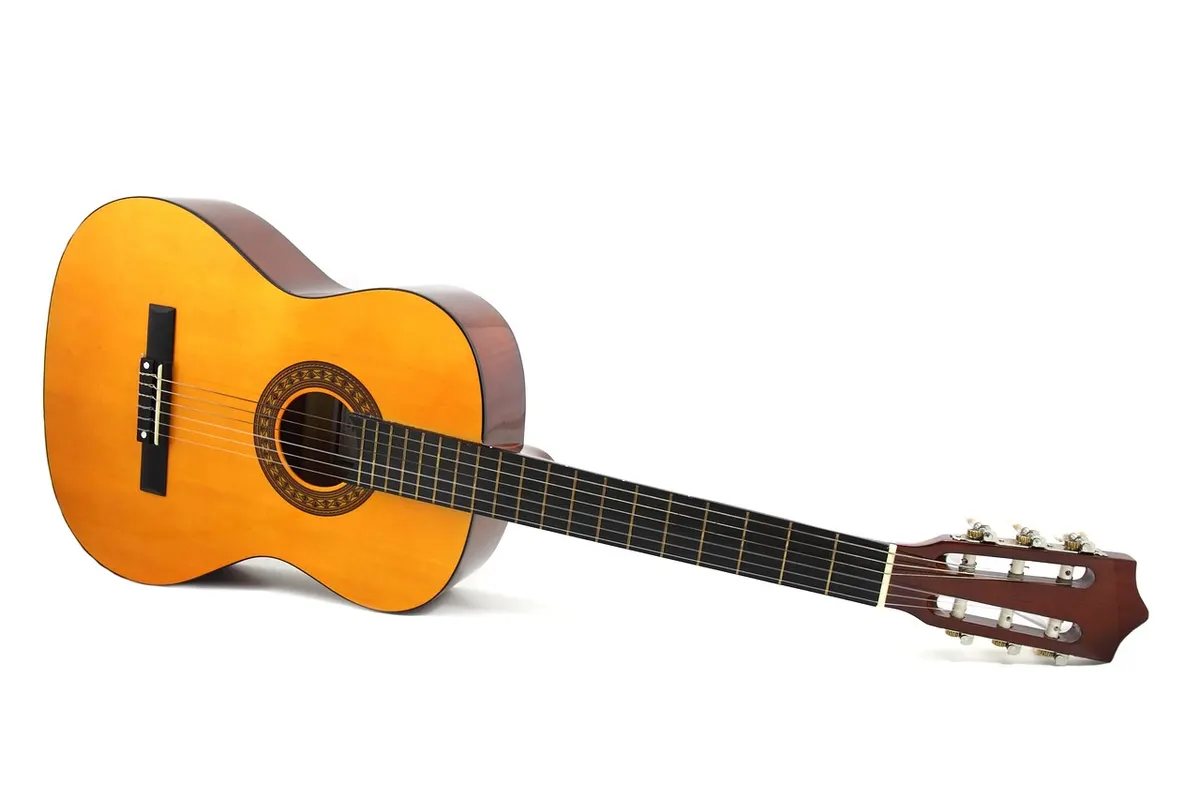
- £8k-35k
- Full-time
- Own premises
Estimates for a small start in the UK, not guarantees.
What it is
A small high street or unit-based shop where people can try, buy, sell and part-exchange used instruments, with accessories, strings and basic set-ups on the side.
Your first three steps
- Research local competition and rents, and talk to teachers, schools and bands about what they need
- Build a starting stock by buying collections and part-exchanges, and cost a business plan including rent and rates
- Find a small unit and check the lease, business rates and planning use class before committing
Who pays
Local players, parents, students, teachers and bands wanting affordable instruments or a place to sell their old ones.
How it makes money
Margin on instruments bought and resold, plus accessories, simple set-ups and repairs, and part-exchange deals that bring customers back.
Skills that help
- Strong instrument knowledge and valuing used gear
- Negotiating and customer service
- Basic setup and minor repairs
- Managing stock and cash flow
Watch out for
- Lease terms, business rates and any deposit or fit-out costs
- Stolen goods risk: keep records of what you buy and who from, and check what your local police or council expect
- Stock, contents and public liability insurance, plus employer's liability if you hire staff
- Check what consumer rules apply to second-hand goods you sell, including returns
- Slow-moving stock can tie up your cash, so avoid overbuying
- Playing music in the shop may need a music licence, check with PPL PRS
🔒 Full research report for UK
Real cost breakdown with current prices, licences and registration checklist, local competition, pricing, break-even and a 30-day launch plan, with sources.
Coming soonQuestions people ask
How much does it cost to open a second-hand instrument shop?
Our estimates put startup costs typically around £8,000 to £35,000, depending on the lease, any deposit and fit-out, and how much stock you buy. Slow-moving stock can tie up cash, so it helps to avoid overbuying.
How much revenue can a used instrument shop bring in?
Monthly revenue is typically estimated at around £4,000 to £18,000, depending on your location, the stock you carry and how much you buy and part-exchange. This is revenue, not profit, so rent and business rates come out of it.
What rules should I check before opening an instrument shop?
Check your lease terms and business rates, and keep records of what you buy and from whom, checking what police or council expect. Also check consumer rules on second-hand goods and returns, insurance, and whether playing music in the shop needs a PPL PRS licence.
Other ways to run this business
Similar retail ideas

Gift basket shop on the high street
Open a small shop or unit where customers choose ready-made or build-your-own gift baskets.
- £8k-35k
- Full-time
- Own premises
Local toiletries and personal care shop
Run a small high street shop selling everyday soaps, shaving kit, toothpaste and personal care basics.
- £8k-35k
- Full-time
- Own premises
Second-hand CD shop on the high street
Open a small shop selling used CDs, buying collections over the counter and building a local music community.
- £8k-35k
- Full-time
- Own premises
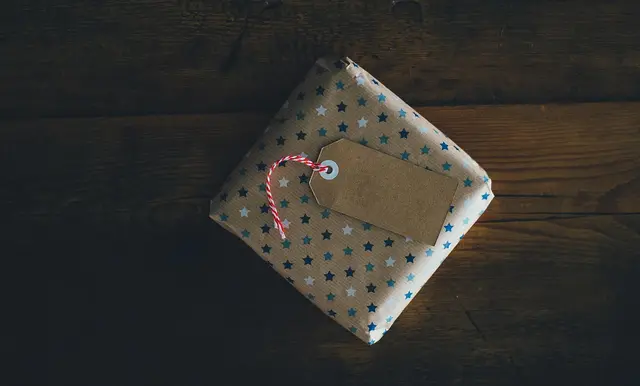
Gift wrap and packaging shop
Open a small shop selling wrapping paper, bags and ribbon, with in-store gift wrapping for busy shoppers.
- £8k-35k
- Full-time
- Own premises
Local sewing and fabric shop
Open a small high street shop selling fabric, threads and notions, with advice and classes for local sewers.
- £8k-35k
- Full-time
- Own premises
Darts shop with a practice area
Open a small shop selling darts and boards, with a practice area that brings in local players.
- £8k-35k
- Full-time
- Own premises
Photo: PublicDomainPictures on Pixabay