Septic tank repairs and installs
Repair, replace and install septic tanks, treatment plants and drainage fields for rural homeowners.

- £4k-20k
- Part-time
- Out and about
Estimates for a small start in the UK, not guarantees.
Official data
6,717 UK companies in this field, 35% registered in the last 2 years
SIC 38110 “Collection of non-hazardous waste”. Source: Companies House, November 2026.
What it is
Fixing broken or failing septic systems, replacing old tanks with modern treatment plants, and digging or repairing drainage fields. You can work alone or with a groundworker, hiring plant as needed.
Your first three steps
- Get experience or training in drainage and groundworks if you do not have it, and learn the current rules for septic systems where you work
- Set up a plant hire account and a supplier account for tanks and treatment plants
- Build relationships with local builders, estate agents and septic tank emptiers who often hear about failing systems first
Who pays
Homeowners with failing systems, people selling a home that needs to meet current rules, self-builders, farms and small developers.
How it makes money
Quoted price per job covering survey, materials, labour and plant hire. Smaller repairs and inspections give steadier work between larger installs.
Skills that help
- Groundworks or drainage experience
- Operating a mini digger safely
- Quoting and costing jobs
- Explaining regulations simply to customers
Watch out for
- No general trade licence is needed to install septic systems, but check the rules on discharges to ground or water with the Environment Agency (or the Scottish, Welsh or Northern Irish equivalent). Some discharges need registration or a permit, which is usually the homeowner's responsibility, so you should be able to advise customers on it
- Building regulations approval and percolation testing for new drainage fields: check with the local council's building control
- Check whether you need a waste carrier registration before taking away old tanks or sludge; rules and exemptions vary, so confirm with the Environment Agency
- Public liability insurance, tools and plant cover, and employer's liability if you hire help
- Risk of dig-ins on buried services and trench collapse, so use safe digging practice
- Failed installs can be costly, so quote carefully and keep records
Deep research report · UK
Everything you need to start: septic tank repairs and installs
Researched with live web search for United Kingdom: real startup prices, the licences and rules, what others charge, a break-even example, how to find your first customers and a 30-day launch plan. With sources.
- Startup costs with real prices
- Licences, registration and rules
- Pricing: what others charge
- Break-even example
- Finding your first customers
- 30-day launch plan
- Risks and how to reduce them
Questions people ask
How much does it cost to start a septic tank repair business?
Estimates suggest startup costs typically around £4,000 to £20,000, depending on the tools, plant hire or equipment you need and your insurance. Hiring plant as needed can help keep upfront costs down.
How much can septic tank repairs and installs earn?
Estimates suggest monthly revenue typically around £3,000 to £14,000, depending on the number and size of jobs you take on. Careful quoting matters, as failed installs can be costly.
What rules should I check before installing septic systems?
Check the rules on discharges to ground or water with the Environment Agency or its equivalent, as some need registration or a permit. Also check building regulations and percolation testing with local building control, and whether you need waste carrier registration.
Other ways to run this business
Similar trades ideas

Mobile machinery repair engineer
Travel to workshops, farms and small factories to fix broken machines on site and cut their downtime.
- £4k-20k
- Part-time
- Out and about

Mobile pipe and fittings supplier
Stock a van with common pipes and fittings and deliver to local plumbers and builders on site.
- £5k-20k
- Part-time
- Out and about

Glazing installer for builders and trades
Fit windows, doors and glazed units for builders and developers on new builds, extensions and renovations.
- £4k-20k
- Full-time
- Out and about
Mobile air tool supplier visiting garages
Drive a stocked van to garages and workshops, selling air tools and fittings on the spot.
- £5k-20k
- Part-time
- Out and about
Small office fit-out contractor
Win whole office refurbishment jobs and run them with a trusted team of trades, from strip-out to final decoration.
- £5k-20k
- Full-time
- Out and about
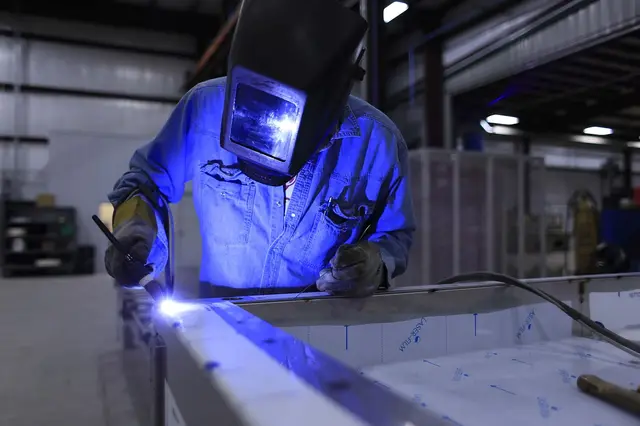
Mobile welder for repairs and fabrication
Take a van-mounted welding kit to farms, builders and garages to repair gates, trailers and machinery on site.
- £4k-20k
- Part-time
- Out and about