Home sewing alterations and repairs
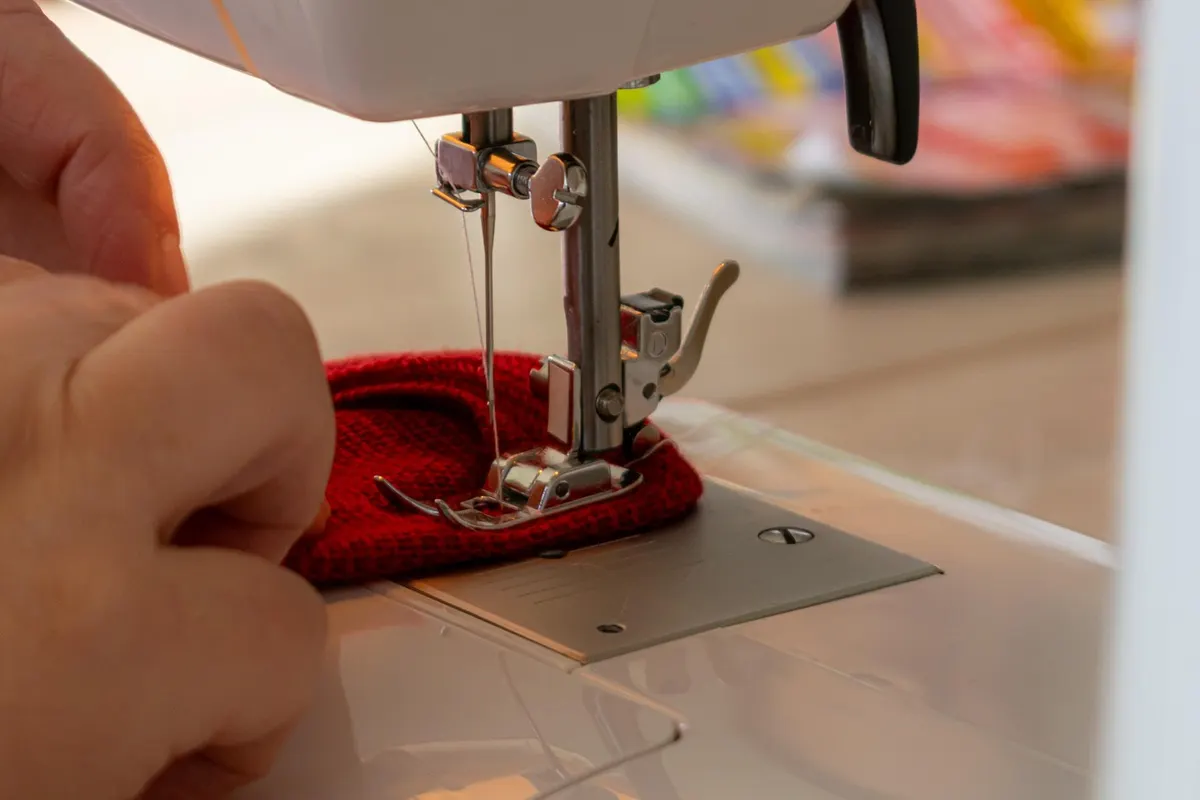
Hem trousers, take in dresses and mend clothes for local people from a spare room.
- £300-1.5k
- Side hustle
- From home
Estimates for a small start in the UK, not guarantees.
Official data
5,604 UK companies in this field, 37% registered in the last 2 years
SIC 14190 “Manufacture of other wearing apparel and accessories n.e.c.”. Source: Companies House, November 2026.
What it is
Altering and repairing clothes and soft furnishings for private clients, such as hems, zips, resizing and curtain adjustments, done from a spare room or corner of your home.
Your first three steps
- Check local alteration shop prices and set a simple price list
- Set up a well-lit workspace with a good machine, overlocker and pressing equipment
- Tell neighbours, local groups and dry cleaners that you take alterations, then collect early reviews
Who pays
Local people, wedding guests, parents of school-age children and busy professionals who want clothes to fit or last longer.
How it makes money
Fixed price per job, such as a hem or zip replacement, with higher prices for formal wear and more complex alterations.
Skills that help
- Confident machine and hand sewing
- Accurate measuring and fitting
- Clear pricing and customer service
Watch out for
- Check your landlord, mortgage lender or council allows business use of your home
- Public liability insurance and cover for customers' garments in your care
- Register as a sole trader with HMRC and keep records of income
- Risk of damaging valuable items, so agree what you will and won't take on
Deep research report · UK
Everything you need to start: home sewing alterations and repairs
Researched with live web search for United Kingdom: real startup prices, the licences and rules, what others charge, a break-even example, how to find your first customers and a 30-day launch plan. With sources.
- Startup costs with real prices
- Licences, registration and rules
- Pricing: what others charge
- Break-even example
- Finding your first customers
- 30-day launch plan
- Risks and how to reduce them
Questions people ask
How much does it cost to start a sewing alterations business?
Startup costs are typically around £300 to £1,500, depending on the machines, equipment and supplies you already own and what you need to buy. You work from a spare room or corner of your home.
How much can you earn from sewing alterations at home?
Monthly revenue is typically around £300 to £1,500, depending on how many hours you work, your prices and how many local customers you attract. Treat it as revenue before costs such as supplies and insurance.
What do I need to check before starting alterations from home?
Check your landlord, mortgage lender or council allows business use of your home. Also check public liability insurance and cover for customers' garments, and register as a sole trader with HMRC, keeping records of income.
Other ways to run this business
Similar making and manufacturing ideas
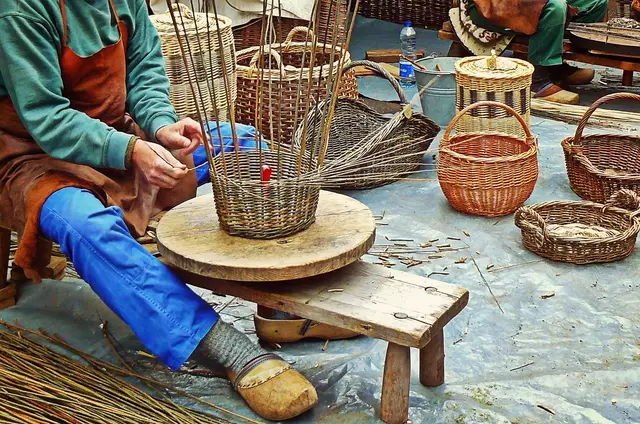
Willow basket maker selling at markets and online
Weave baskets, log baskets and garden trugs from willow in a home workshop and sell at craft fairs and online.
- £300-1.5k
- Side hustle
- From home

Home lamination and finishing service
Laminate menus, signs, certificates and cards from a spare room for local businesses, schools and clubs.
- £200-1k
- Side hustle
- From home
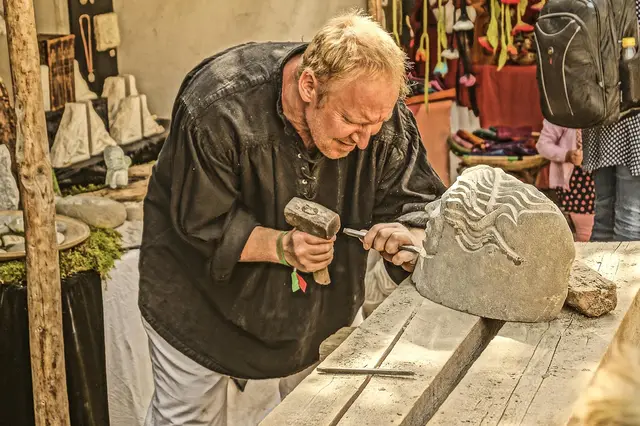
Small stone pieces and lettering from home
Carve house numbers, slate plaques and small garden pieces at weekends and sell online or at craft fairs.
- £300-2k
- Side hustle
- From home

Home-based bag and soft goods maker
Sew bags, cushions, covers and other fabric goods from a spare room and sell them online and at markets.
- £300-2k
- Side hustle
- From home
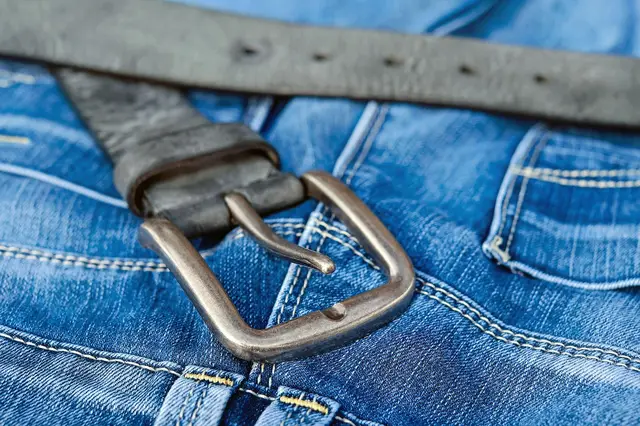
Handmade leather goods maker
Make wallets, belts and bags by hand at home and sell them online, at markets and to local shops.
- £400-2k
- Side hustle
- From home

Small-batch metal polishing from home
Polish small metal items like motorbike parts, brass and trim from a garage or outbuilding in your spare time.
- £500-2.5k
- Side hustle
- From home
Photo: Coernl on Pixabay