Shared Commercial Kitchen in a Rented Unit
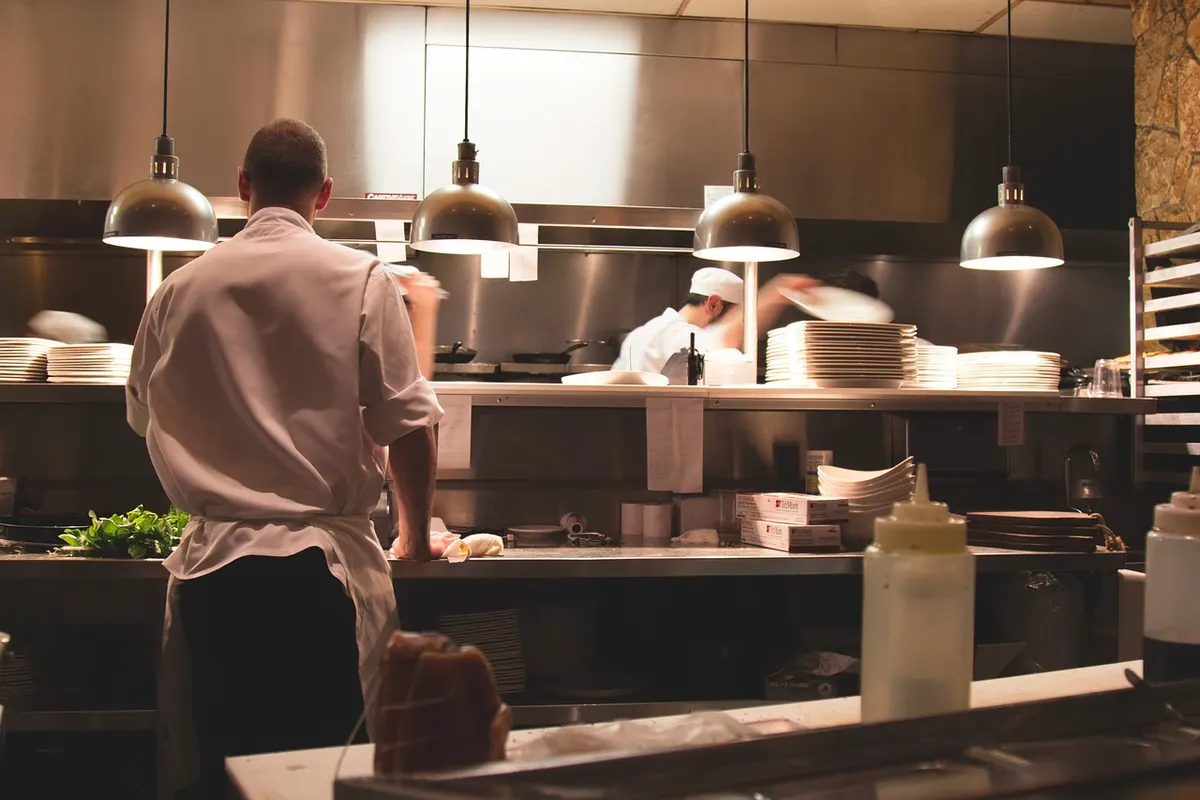
Fit out a unit with licensed cooking stations and rent them by the hour or day to caterers, bakers and food start-ups.
- £50k-200k
- Part-time
- Own premises
- Licence or permit needed
Estimates for a small start in the UK, not guarantees.
Official data
459,005 UK companies in this field, 26% registered in the last 2 years
SIC 68209 “Other letting and operating of own or leased real estate”. Source: Companies House, November 2026.
What it is
A professional kitchen in a rented unit or workshop, set up with cooking equipment, cold and dry storage and cleaning facilities. Food businesses book time slots or monthly memberships instead of paying for their own premises.
Your first three steps
- Talk to local food start-ups, markets and caterers to find out what they would pay and when they need kitchen time
- Speak to your local council's environmental health team and planning department about the kind of unit you are considering
- Get quotes for the equipment fit-out (including extraction and ventilation), insurance and a booking system, then draw up a simple cash flow plan
Who pays
Caterers, street food traders, home bakers who have outgrown their kitchen, sauce and snack makers, meal prep services and supper club hosts.
How it makes money
Hourly, daily or monthly membership fees for kitchen time, plus extras such as storage shelves, fridge space, equipment use and deep cleaning.
Skills that help
- Organising bookings and schedules
- Basic knowledge of food hygiene
- Customer service and managing different users
- Budgeting for a larger start-up
Watch out for
- Your kitchen will need to be registered with the local council as a food business, so check what inspection and layout standards apply
- Check planning permission or change of use, and what the lease allows, before signing for any unit
- Public liability insurance and cover for the equipment, and check what your users need to hold themselves
- Allergen control, cleaning routines and fridge or storage sharing need clear written rules
- Fit-out costs are high, especially extraction, ventilation and flooring, and it can take months to fill the bookings, so keep some cash in reserve
- Check ventilation, fire safety and waste (including grease) requirements for the unit
🔒 Full research report for UK
Real cost breakdown with current prices, licences and registration checklist, local competition, pricing, break-even and a 30-day launch plan, with sources.
Coming soonQuestions people ask
How much does it cost to start a shared commercial kitchen in the UK?
Startup costs are typically around £50,000 to £200,000, depending on the unit and fit-out. Extraction, ventilation and flooring can be costly, so check these early. These figures are estimates only.
How much can a shared commercial kitchen earn?
Monthly revenue is typically estimated at around £3,000 to £15,000, depending on how many users book and for how long. It can take months to fill bookings, so keep some cash in reserve.
What rules should I check before setting up a shared kitchen?
Check council food business registration and the inspection and layout standards that apply. Also check planning or change of use, lease terms, ventilation, fire safety, grease and waste requirements, and what insurance your users need to hold.
Other ways to run this business
Similar food ideas
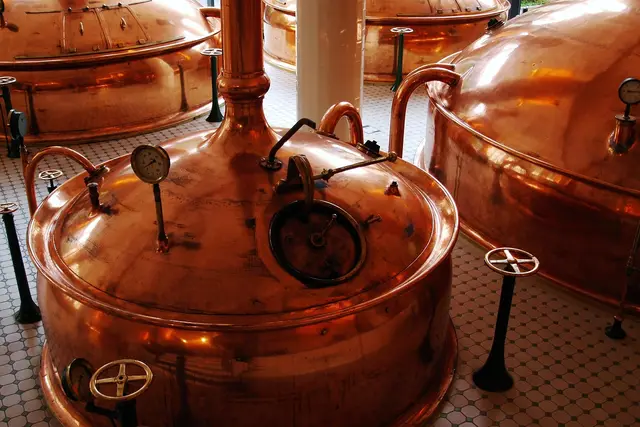
Micro brewery in a small unit
Brew cask and keg beer in a rented unit and sell to local pubs, shops and drinkers.
- £40k-200k
- Full-time
- Own premises

Sake brewery with a taproom
Brew sake on site and sell it by the glass, bottle and tasting flight to visitors, as well as to trade.
- £50k-200k
- Full-time
- Own premises

On-farm dairy using your own milk
Process milk from your own goats, sheep or cows into cheese, yoghurt or butter and sell direct.
- £30k-150k
- Full-time
- Own premises

Neighbourhood tapas restaurant
Open a small sit-down restaurant serving Spanish-style shared plates and drinks to local diners.
- £30k-150k
- Full-time
- Own premises
Neighbourhood restaurant
Open a small, focused restaurant serving one cuisine you know well to locals and regulars.
- £40k-150k
- Full-time
- Own premises

Small dine-in pizzeria
Open a neighbourhood pizza restaurant with tables, a proper oven and takeaway on the side.
- £40k-150k
- Full-time
- Own premises
Photo: StockSnap on Pixabay