Small independent club venue
Lease a small late-night venue and run music nights, bar sales and private hires.
- £30k-150k
- Full-time
- Own premises
- Licence or permit needed
Estimates for a small start in the UK, not guarantees.
What it is
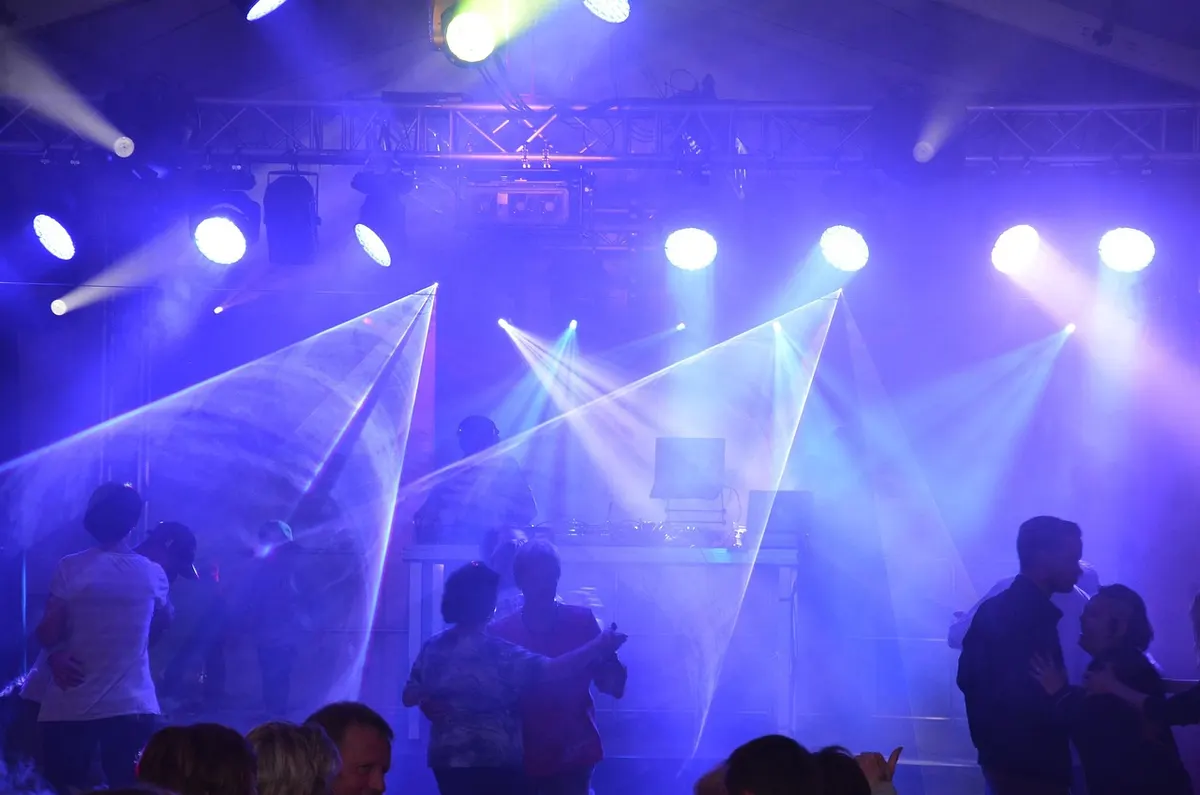
A small late-night venue with a dance floor, a bar and a sound system. You programme DJs and live acts, run the bar and door, and rent the space for private parties.
Your first three steps
- Research your town's nightlife: which nights are busy, what music is missing, and which small venues are available to lease
- Talk to a licensing solicitor or your local council licensing team about what a premises licence and opening hours would involve for a specific site
- Build a cash-flow forecast covering rent, fit-out, staff and a cushion for slow months, then speak to a landlord or agent
Who pays
Club-goers paying for entry and drinks, plus groups hiring the venue for birthdays, promoter nights and private events.
How it makes money
Mostly bar sales, with door entry on busy nights, table or booth bookings, and venue hire fees on quieter nights.
Skills that help
- Managing a team and a bar
- Booking DJs and promoting nights
- Calm customer handling late at night
- Basic bookkeeping and stock control
Watch out for
- A premises licence and a personal licence holder as designated premises supervisor are normally needed in England and Wales; Scotland and Northern Ireland have their own systems, so check with your council
- Licensing can be contested by neighbours or the police, so noise, opening hours and local relationships matter
- Door staff usually need to be SIA-licensed; check the current requirements
- Music licences (for example PRS for Music and PPL) are usually needed to play recorded music
- Check whether newer venue security duties (such as Martyn's Law) apply to your capacity
- Fire risk assessment, public liability and employer's liability insurance, and the lease terms
- High fixed costs and slow weeknights can make cash flow tight
Deep research report · UK
Everything you need to start: small independent club venue
Researched with live web search for United Kingdom: real startup prices, the licences and rules, what others charge, a break-even example, how to find your first customers and a 30-day launch plan. With sources.
- Startup costs with real prices
- Licences, registration and rules
- Pricing: what others charge
- Break-even example
- Finding your first customers
- 30-day launch plan
- Risks and how to reduce them
Questions people ask
How much does it cost to start a small nightclub?
Estimates suggest startup costs are typically around £30,000 to £150,000, depending on the lease, fit-out, sound system and licensing. High fixed costs mean cash flow can be tight on slow weeknights.
How much revenue can a small nightclub make?
Estimates suggest monthly revenue of typically around £12,000 to £50,000, depending on entry, bar sales and private hires. Slow weeknights and high fixed costs can squeeze what is left.
What licences do I need to run a nightclub in the UK?
Things to check: a premises licence and designated premises supervisor (rules differ in Scotland and Northern Ireland), SIA-licensed door staff, music licences such as PRS for Music and PPL, Martyn's Law, fire risk assessment and insurance.
Other ways to run this business
Similar hospitality ideas

Neighbourhood cocktail bar
Open a small bar serving well-made cocktails to locals on evenings and weekends.
- £40k-150k
- Full-time
- Own premises

Catering and event equipment hire business
Rent ovens, furniture and serving equipment to caterers and event hosts from a small unit, with van delivery.
- £40k-150k
- Full-time
- Own premises

Function room venue with food and bar
Run a hireable celebration venue where guests pay for the room plus catering and drinks.
- £50k-150k
- Full-time
- Own premises

Small standing-only neighbourhood bar
Run a compact bar with little or no seating, serving drinks and simple snacks to locals after work and at weekends.
- £40k-150k
- Full-time
- Own premises

Neighbourhood LGBTQ+ bar
Run a welcoming small bar for LGBTQ+ customers, with drinks, regular social nights and a loyal local crowd.
- £40k-150k
- Full-time
- Own premises

Small balloon flight operator
Run your own passenger balloon flights with a pilot and chase crew, selling seats directly to visitors and celebrants.
- £30k-150k
- Part-time
- Out and about
Photo: winkimedia on Pixabay