Self-Employed tattooist renting a studio chair
Work as a self-employed tattoo artist from a chair in an existing studio, paying rent or a share of what you earn.
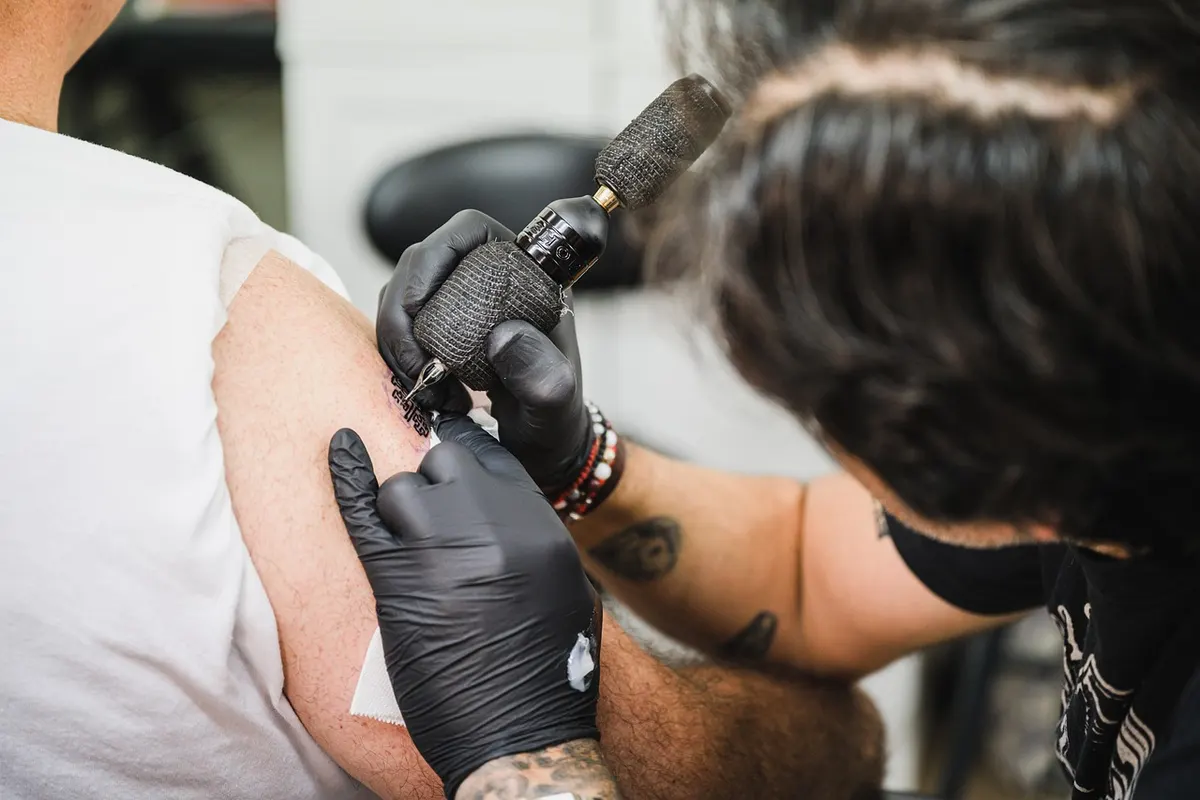
- £1.5k-5k
- Part-time
- Own premises
- Licence or permit needed
Estimates for a small start in the UK, not guarantees.
What it is
You design and apply custom tattoos for your own clients from a booth or chair in a licensed studio. The studio provides the premises, and you bring your own machines, supplies and client base.
Your first three steps
- Build a portfolio of original designs and approach local studios about an apprenticeship or a chair, if you are not yet trained
- Complete infection control and bloodborne pathogen training, and ask your GP about hepatitis B vaccination
- Get your own insurance and personal registration sorted, then set up an Instagram page to show your work and take bookings
Who pays
Individual clients who commission a custom piece or choose from your flash designs. Most find you through Instagram, word of mouth and walk-ins at the studio.
How it makes money
You charge per piece or per hour, and often take a deposit to secure the booking. You pay the studio weekly or monthly chair rent, or a percentage of each tattoo. Your income depends on how full your diary is.
Skills that help
- Strong drawing and design ability
- Steady hands and attention to detail
- Good listening skills to turn a client's idea into a design
- Building a portfolio and social media following
Watch out for
- Check whether you need personal registration with your local council as well as the studio's premises licence or registration. Rules differ between England, Scotland, Wales and Northern Ireland
- Tattooing anyone under 18 is illegal in the UK, so check ID on every booking
- Public liability and professional indemnity insurance suited to tattooing
- Check that your inks and supplies comply with current UK and EU rules on tattoo ink ingredients
- Clinical waste and needle disposal must follow the rules, so check with the studio and your council
- Chair rent still has to be paid in a quiet week, so check the contract terms before you sign
Deep research report · UK
Everything you need to start: self-employed tattooist renting a studio chair
Researched with live web search for United Kingdom: real startup prices, the licences and rules, what others charge, a break-even example, how to find your first customers and a 30-day launch plan. With sources.
- Startup costs with real prices
- Licences, registration and rules
- Pricing: what others charge
- Break-even example
- Finding your first customers
- 30-day launch plan
- Risks and how to reduce them
Questions people ask
How much does it cost to start as a self-employed tattooist?
Startup costs are typically around £1,500 to £5,000, depending on your machines, supplies and insurance. These are estimates, and chair rent still has to be paid in a quiet week, so check the contract terms before you sign.
How much can a self-employed tattoo artist earn?
Monthly revenue is typically around £1,000 to £5,000, depending on how many hours you work, your prices and how well you build a client base. This is an estimate, and your chair rent and supplies come out of it.
Do I need a licence to work as a tattoo artist in the UK?
Check whether you need personal registration with your local council as well as the studio's premises licence or registration, as rules differ between England, Scotland, Wales and Northern Ireland. Tattooing anyone under 18 is illegal, so check ID on every booking.
Similar creative ideas
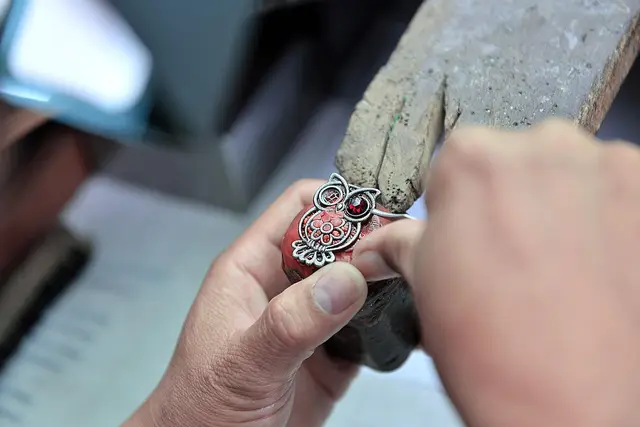
Home studio silver jewellery maker
Make handmade silver jewellery in a small home workshop and sell it online, at craft fairs and to local shops.
- £1.5k-5k
- Side hustle
- From home

Niche book imprint run from home
Publish a small list of books for one niche, such as local history or hobby guides, using print on demand.
- £1k-5k
- Side hustle
- From home
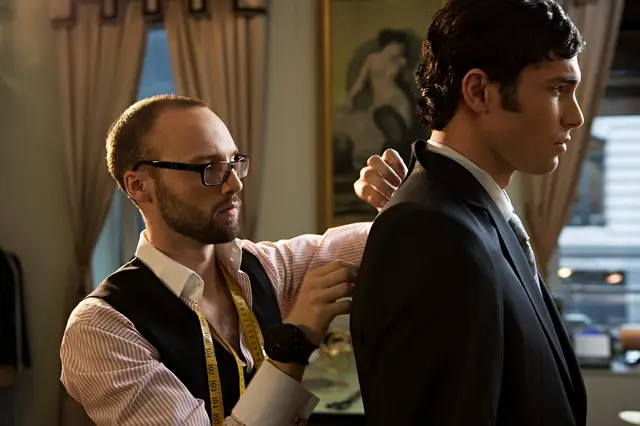
Home studio bespoke tailor
Make and alter made-to-measure suits and clothes for private clients by appointment from a home workroom.
- £1k-5k
- Side hustle
- From home
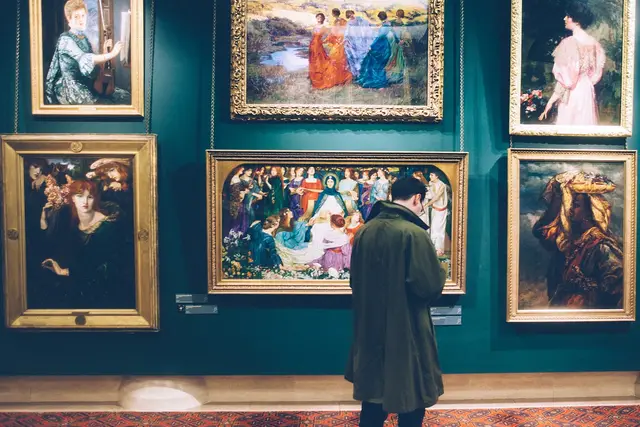
Art dealer for interior clients
Source and place artwork for designers, hotels, offices and homeowners, earning a margin on each piece.
- £500-5k
- Part-time
- Out and about

Drone photos for estate agents and local firms
Shoot aerial photos and video of homes, land and local businesses for agents, builders and marketers.
- £1.5k-5k
- Side hustle
- Out and about
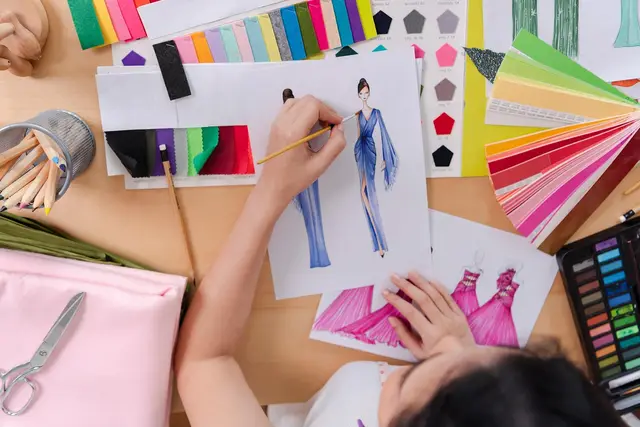
Small online fashion label
Design a small clothing range and sell it direct to shoppers through your own website and social media.
- £1k-5k
- Side hustle
- Online
Photo: kmckaskle on Pixabay