Local timber yard and cutting service
Stock and sell timber and sheet materials from a small yard or unit to local builders, joiners and DIYers.
- £60k-250k
- Full-time
- Own premises
Estimates for a small start in the UK, not guarantees.
What it is
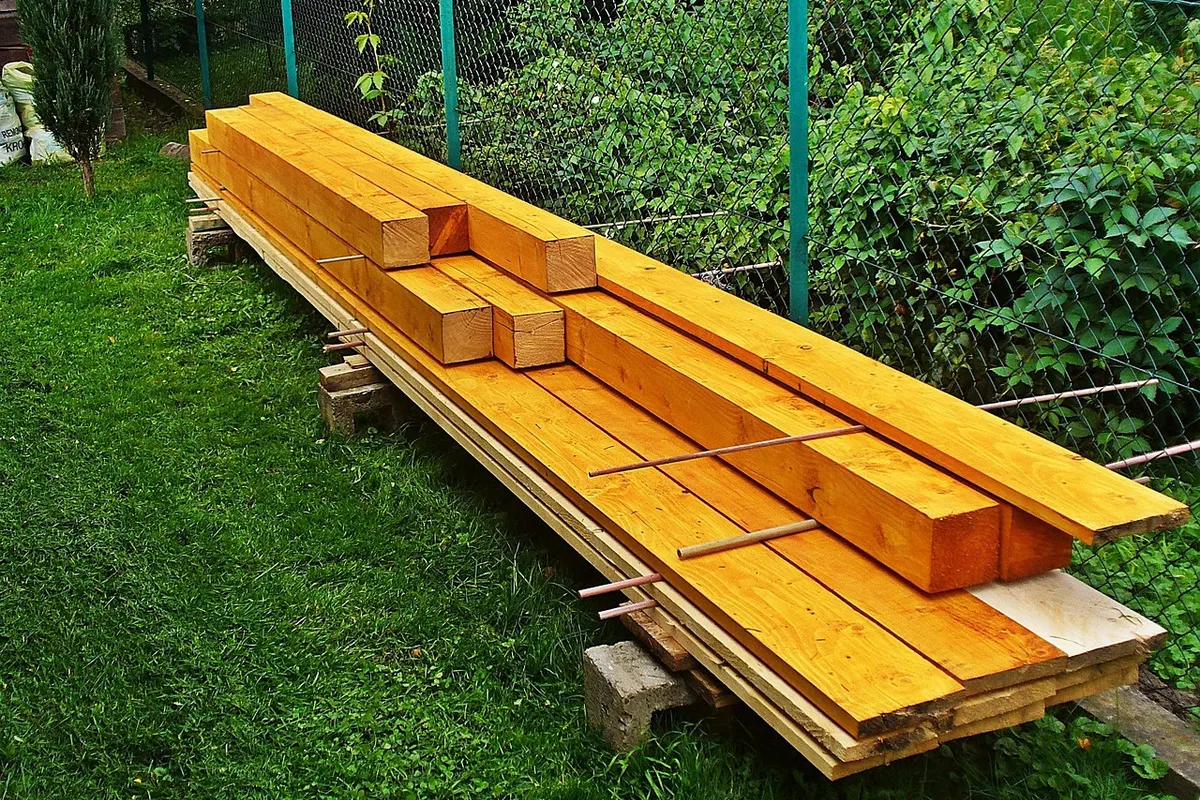
A small trade and public counter selling sawn timber, sheet boards, decking, fencing and mouldings, with cutting to size and local delivery.
Your first three steps
- Visit local builders and joiners to find out what they struggle to get nearby, and which products they buy most
- Price up a small unit or yard to rent and open trade accounts with two or three wholesalers or sawmills
- Draw up a starter stock list and a simple price list, then offer trade discounts to your first regular customers
Who pays
Builders, joiners, fencers, landscapers, carpenters and keen home DIYers in your area.
How it makes money
You buy from larger suppliers and sawmills and sell at a margin. Cutting, planing and delivery can be charged on top, and regular trade accounts give steady repeat orders.
Skills that help
- Knowing timber types, grades and sizes
- Customer service and trade selling
- Stock control and pricing
- Safe use of saws and lifting equipment
Watch out for
- Check planning and lease terms for retail or storage use of the site with your council
- Public liability, stock and contents insurance, plus employer's liability once you hire
- Training and safe working rules for saws, forklifts and manual handling, check what applies to you
- Fire risk from stored timber and offcuts, ask your insurer and fire service about requirements
- Imported timber has legal due diligence rules, check the current UK requirements before buying from overseas
- Cash tied up in stock and trade credit, set clear payment terms
Deep research report · UK
Everything you need to start: local timber yard and cutting service
Researched with live web search for United Kingdom: real startup prices, the licences and rules, what others charge, a break-even example, how to find your first customers and a 30-day launch plan. With sources.
- Startup costs with real prices
- Licences, registration and rules
- Pricing: what others charge
- Break-even example
- Finding your first customers
- 30-day launch plan
- Risks and how to reduce them
Questions people ask
How much does it cost to start a timber yard?
Startup costs are typically estimated at around £60,000 to £250,000, depending on the site, the stock you hold and the saws and lifting equipment you need. Cash can be tied up in stock and trade credit, so plan for that.
How much can a local timber yard earn?
Monthly revenue is typically estimated at around £8,000 to £40,000, depending on your range, location and mix of trade and public customers. Set clear payment terms so trade credit does not strain your cash flow.
What rules should I check before opening a timber yard?
Check planning and lease terms for retail or storage use with your council. Look at insurance, training and safe working rules for saws, forklifts and manual handling, fire risk from stored timber, and current UK due diligence rules for imported timber.
Other ways to run this business
Similar retail ideas

Registered firearms dealer shop
Run a small, secure shop selling guns, ammunition and kit to certificate-holding shooters and hunters.
- £60k-250k
- Full-time
- Own premises

Small independent builders merchant
Run a local yard or unit stocking everyday building materials for small builders and DIYers.
- £40k-150k
- Full-time
- Own premises

Ceramics importer with a small warehouse
Import full container loads of tableware and decor and supply independent retailers from a small rented unit.
- £45k-150k
- Full-time
- Own premises

Diamond, gold and jewellery buying shop
Run a small shop where walk-in customers sell diamonds, gold and jewellery for a fair on-the-spot valuation.
- £45k-150k
- Full-time
- Own premises
Independent neighbourhood convenience store
Run your own local shop selling groceries, snacks and household basics, choosing your own range and suppliers.
- £30k-150k
- Full-time
- Own premises
Convenience store with a symbol group
Run a local convenience store under a known brand, with supplier support, a ready range and shared buying power.
- £40k-150k
- Full-time
- Own premises
Photo: krzys16 on Pixabay